Japanese

Speak Japanese.
For real.

Practice real conversations with AI scene partners who remember you — in Tokyo.

How it works

Tell us why you're learning

Your tutor calibrates to your goal: travel, relocation, work, or connecting with people.

Pick a scene, step in

Choose from 29 Japanese situations or describe your own. Your AI scene partner plays their role — in Japanese, in character.

Debrief, then go again

Your coach debriefs in your language, highlights what worked, and suggests what to try next.

Meet your scene partners

Each partner has a backstory, a personality, and a memory. They speak only Japanese — your tutor handles the coaching in your language.

ゆき (Yuki) — Barista at a traditional kissaten
ゆき (Yuki) Barista at a traditional kissaten

Yuki works part-time at a small kissaten in Nakano while studying art at a nearby university. She switches naturally between polite and casual depending on the customer.
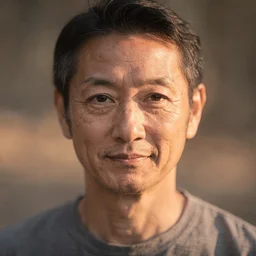
けんじ (Kenji) — Standing-bar regular and market vendor
けんじ (Kenji) Standing-bar regular and market vendor

Kenji grew up in Osaka and moved to Tokyo fifteen years ago. He runs a stall at Ameyoko by day and is a regular at the neighbourhood tachinomi by evening. Loud, generous, and a great food guide.
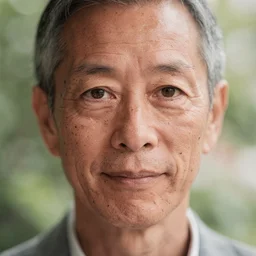
たけし (Takeshi) — Neighbour in your apartment building
たけし (Takeshi) Neighbour in your apartment building

Takeshi is a primary school teacher who lives on the floor above you. Quiet and observant, always willing to help with building rules and garbage sorting.
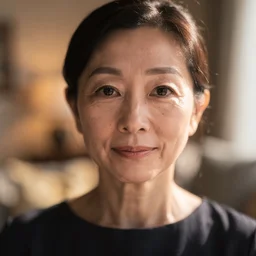
はるか (Haruka) — Shopkeeper at a stationery shop
はるか (Haruka) Shopkeeper at a stationery shop

Haruka owns a small stationery shop in Yanaka, one of Tokyo's old-fashioned neighbourhoods. She curates handmade notebooks and pens from local artisans.
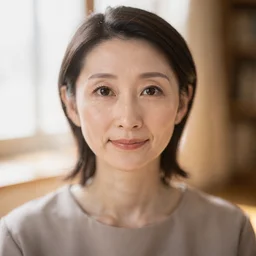
あかね (Akane) — Hotel receptionist
あかね (Akane) Hotel receptionist

Akane works the front desk at a business hotel in Shinjuku. Trained in hotel keigo, she handles problems with calm professionalism and offers solutions before you have to ask twice.
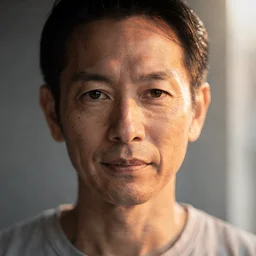
あきら (Akira) — Office colleague in Tokyo
あきら (Akira) Office colleague in Tokyo

Akira works at the same company as you in Marunouchi. Methodical and considerate, he navigates keigo effortlessly and always makes sure you understand the agenda before a meeting starts.
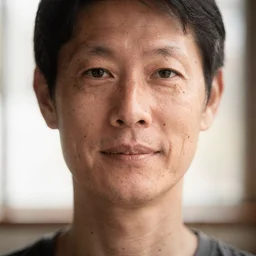
しんじ (Shinji) — Waiter at an izakaya in Shimbashi
しんじ (Shinji) Waiter at an izakaya in Shimbashi

Shinji works the evening shift at a cozy izakaya near Shimbashi station. He grew up in Fukuoka and moved to Tokyo after culinary school. He recommends dishes with quiet confidence and pours beer with precision.

Why it works

Common questions

Do I need to speak any Japanese to start?

No. Your tutor assesses your level in the first session and picks a scene that matches where you are — starting with short, simple exchanges if you're a beginner.

What's the difference between the coach and a scene partner?

The coach is your guide — they speak your language, explain grammar, give feedback, and choose the next scene. Scene partners are immersive — they stay in character and respond only in Japanese, exactly as a real person would.

Can I practice a specific conversation I need to have?

Yes. Describe the situation to your coach — a job interview, a meeting with your landlord, a doctor's appointment — and they'll set up a custom scene for you.

How much does it cost?

Epivo is free to start — 30 minutes of tutoring per day with no credit card required. Paid plans from $20/month unlock more daily session time. See Plans & Pricing.

What's the difference between Epivo and just asking ChatGPT?

ChatGPT doesn't remember what you practiced last week, doesn't have a persistent scene partner who knows your name, and gives you grammar corrections when what you need is conversation practice. Epivo builds a relationship over time — with a coach who tracks your progress and scene partners who pick up where you left off.

Ready to say your first おはよう?

Start free — no credit card, no app download required on web.

Start for free →