How Generative AI Works
Generative AI systems are built on large models trained on enormous datasets of human-created content.
Large language models
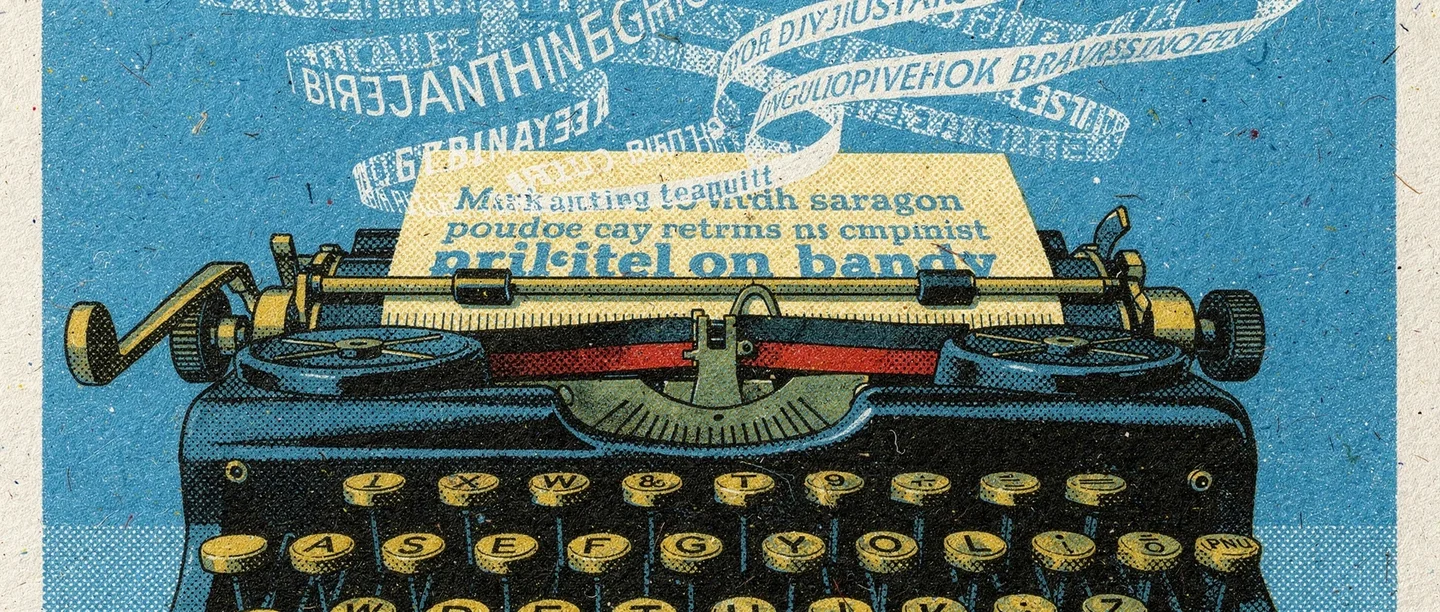
Text-based generative AI tools — ChatGPT, Gemini, Claude — are powered by large language models (LLMs). These models learn statistical patterns in text: which words typically follow which other words, in what contexts, across billions of documents. When you type a prompt, the model predicts the most probable continuation based on its training data.
Image generation
Generative AI image tools use different techniques — typically diffusion models — which learn to add and remove visual noise from images until they match a text description. They do not 'understand' what they are drawing; they have learned patterns of visual features associated with text descriptions.
Training data and scale
Generative AI models are trained on vast datasets — billions of web pages, books, images, and code repositories. The scale of training data is a key factor in capability. Machine learning is the underlying technique that allows these models to improve with more data.
What Generative AI Can and Cannot Do
Understanding the genuine capabilities and real limitations of generative AI is essential for using it well.
What it does well
Generative AI tools can draft text quickly, explain concepts in different styles, translate languages, generate code, summarise documents, and produce creative content. For tasks where fluency, breadth, and speed matter more than deep expertise, they can be remarkably useful.
Hallucinations and errors
Generative AI models do not 'know' facts — they predict plausible text. This means they frequently generate confident-sounding incorrect information. Sources may be fabricated. Statistics may be wrong. Dates and names may be plausible but inaccurate. Treating any output as reliable without independent verification is dangerous.
Bias and representation
Models trained on internet data inherit the biases present in that data. Generative AI can produce stereotyped or discriminatory outputs. It may underrepresent certain languages, cultures, and perspectives. Understanding these limits is part of digital literacy in an AI-saturated environment.

Generative AI in Education and Society
The arrival of generative AI raises significant questions for schools, workplaces, and society.
Academic integrity
Generative AI can produce essays, solve problems, and answer exam questions. Most schools now have policies on AI use in schoolwork. The key question is not whether to ban AI but how to teach students to use it appropriately — as a thinking aid, not a replacement for learning.
Copyright and ownership
Generative AI is trained on copyrighted material. Whether the output constitutes copyright infringement is being debated in courts globally. Who owns content created with AI assistance is legally unresolved in most jurisdictions.
Jobs and the future
Generative AI is already changing many professions — writing, coding, design, customer service, and legal research. Tasks that involve generating first drafts or summarising information are most affected. Critical thinking, judgment, emotional intelligence, and creativity remain distinctly human advantages.

Frequently asked questions
- Is generative AI the same as artificial intelligence?
- Generative AI is a subset of AI. Artificial intelligence includes any system that performs tasks requiring human-like intelligence — vision, language, reasoning, decision-making. Generative AI specifically refers to systems that create new content. Not all AI is generative — diagnostic medical AI, spam filters, and recommendation systems are AI but not generative.
- Can generative AI think or understand?
- No. Current generative AI models produce outputs based on statistical patterns in training data. They do not understand meaning, have intentions, or reason about the world. They are extremely sophisticated pattern-matchers. Whether future AI systems could genuinely understand or think is debated by philosophers and AI researchers.
- How should students use generative AI ethically?
- Use it to assist thinking, not replace it. Verify all factual claims independently. Be transparent about AI use with teachers. Do not submit AI-generated work as your own without permission. Use it to explore ideas, get feedback, or understand concepts — not to skip the learning process.
- What is the difference between ChatGPT, Gemini, and Claude?
- ChatGPT is made by OpenAI, Gemini by Google, and Claude by Anthropic. All are large language model-based generative AI assistants. They differ in training data, safety approaches, and specific capabilities — but all work on similar principles and share similar limitations around hallucination and bias.