What globalisation means
Globalisation is the process by which countries, economies, cultures, and people become increasingly connected and interdependent. It is driven by trade, technology, migration, and the movement of ideas across national borders.
Globalisation is not new. Ancient trade routes such as the Silk Road connected China, Central Asia, and Europe for centuries. However, modern globalisation accelerated dramatically after World War 2, and especially after the 1990s, when the internet, cheap air travel, and the opening of new markets transformed the pace and scale of global exchange.
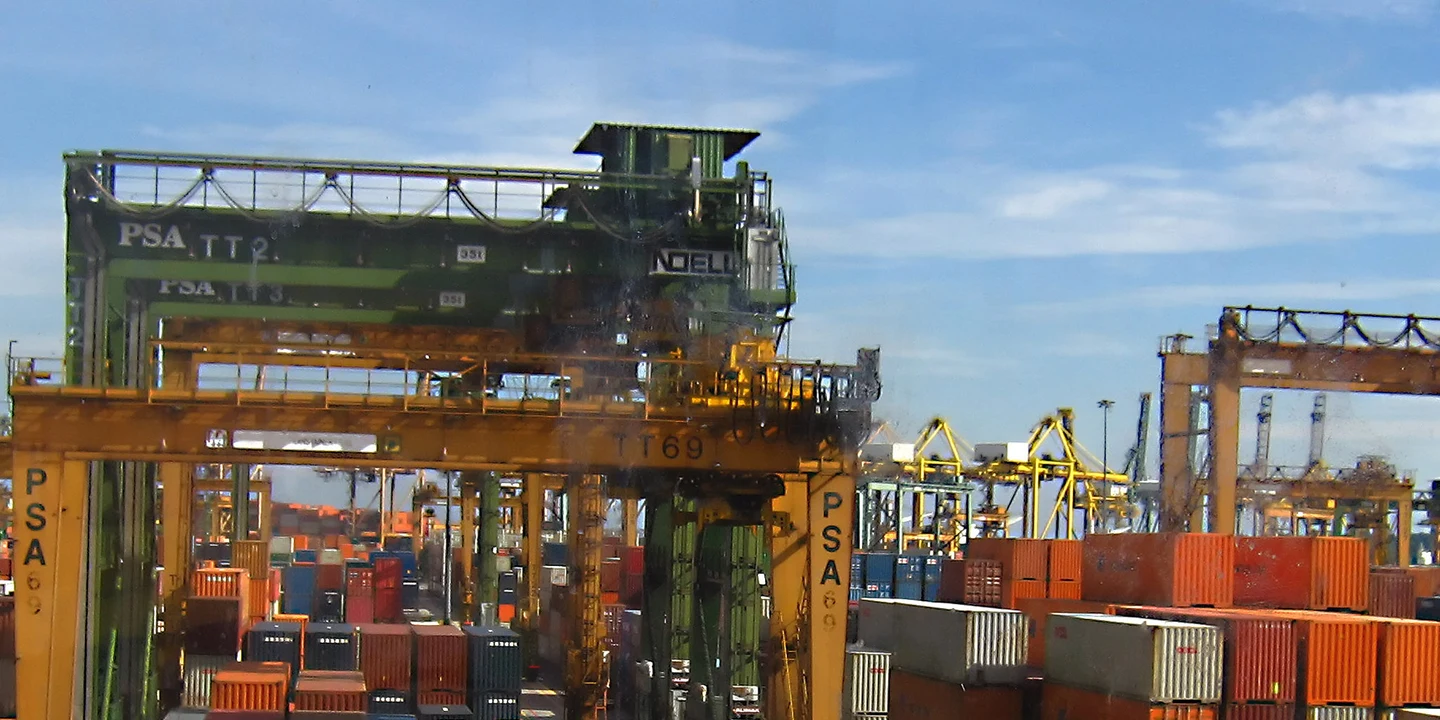
Economically, globalisation means that goods, services, money, and companies move across borders more freely than at any point in history. A car sold in Germany may contain steel from Brazil, electronics from South Korea, and glass from Mexico. This integration lowers prices for consumers but also creates complex chains of dependency.
Culturally, globalisation means that music, food, fashion, and ideas spread rapidly around the world. Korean pop music is popular in Brazil. McDonald's operates in over 100 countries. English has become the dominant language of international business and science. According to the World Bank, global trade as a share of world GDP has more than doubled since 1960.

Image: Generated with AI (Epivo)
The benefits and challenges of globalisation
Globalisation has brought significant benefits to many parts of the world. Trade and foreign investment have lifted hundreds of millions of people out of extreme poverty, particularly in East and South Asia. According to the United Nations, the share of the world's population living in extreme poverty fell from 36% in 1990 to under 10% by 2015 — a period of rapid globalisation.
Technology transfer is another benefit. Countries that participate in global trade gain access to new technologies, management practices, and scientific knowledge. This accelerates development and raises living standards.
However, globalisation also creates serious challenges. Workers in wealthier countries sometimes lose jobs when manufacturing moves to lower-wage countries. Environmental costs are often not reflected in the price of goods — a product made cheaply overseas may produce significant carbon emissions in transport.
Cultural homogenisation is a further concern. As global brands and media spread, local languages, traditions, and industries can be marginalised. Many communities feel that globalisation erases the cultural distinctiveness that gives their society its identity.
Finally, globalisation can increase inequality within countries even as it reduces it between countries. The benefits tend to concentrate among the educated and mobile, while lower-skilled workers and rural communities often feel left behind.
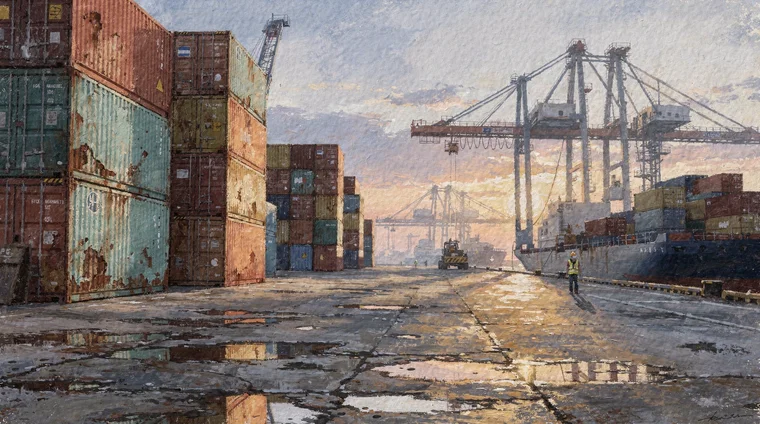
Image: Generated with AI (Epivo)
Globalisation and climate change
Globalisation and climate change are deeply intertwined. On one hand, global supply chains and the rapid growth of international trade have dramatically increased carbon emissions. Shipping, aviation, and the energy demands of global manufacturing all contribute to greenhouse gas emissions.
On the other hand, addressing climate change requires global cooperation — which is itself a form of globalisation. The Paris Agreement of 2015, signed by 196 countries, is one example of nations working together across borders to address a shared problem.
For students, understanding globalisation means understanding that the decisions made by individuals, companies, and governments in one country can have significant effects on people thousands of kilometres away. This interconnectedness also applies to human rights: a consumer in Europe buying a product made in poor conditions in another country is participating in a global system that affects workers' rights worldwide.
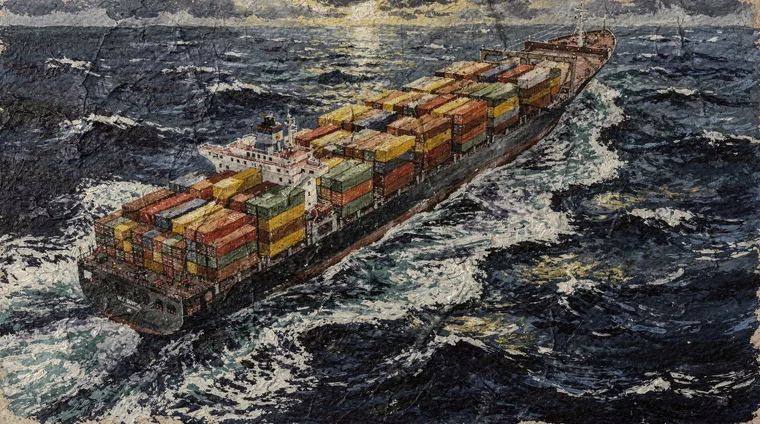
Image: Generated with AI (Epivo)
Did you know?
-
Global trade as a share of world GDP has more than doubled since 1960, rising from around 25% to over 60% by 2020, according to the World Bank.
World Bank — Trade -
The share of the world's population living in extreme poverty fell from 36% in 1990 to under 10% by 2015, a period closely associated with accelerating globalisation.
United Nations — Trade and Development -
Over 1.5 billion people now speak English as a first or second language, largely due to the spread of global trade, media, and education — a direct effect of cultural globalisation.
World Bank — Trade
Why studying globalisation matters
Globalisation is one of the most important forces shaping the world that today's students will inherit. Understanding it helps young people make sense of current events — from trade disputes and migration patterns to the spread of social media and the challenge of global health crises.
In the classroom, globalisation connects to many other subjects. It links directly to democracy (how political decisions in one country affect others), history (how colonial empires created today's global inequalities), geography (how physical and human geography shape trade patterns), and environmental science (how global consumption drives climate change).
Critical thinking about globalisation also means asking difficult questions. Who benefits from free trade, and who is left behind? How should countries balance national interests with global responsibilities? These questions have no easy answers — which is exactly why they are worth discussing in school.
In short, understanding globalisation means understanding the forces that most directly shape the world students will inherit.
Epivo's International Curriculum covers globalisation, development, and international relations for students in grades 7 to 9. Students examine case studies from different regions and develop the analytical skills to form and defend reasoned positions on complex global issues.

Image: Generated with AI (Epivo)
Frequently asked questions
- What is globalisation in simple terms?
- Globalisation is the process by which countries become more connected through trade, technology, migration, and the spread of ideas. It means that events in one country increasingly affect people in other countries around the world.
- What are the main causes of globalisation?
- The main causes include advances in transport technology, the growth of the internet, free trade agreements between countries, and the expansion of multinational companies. These factors have made it cheaper and faster to move goods, money, and information across borders.
- What are the benefits of globalisation?
- Benefits include economic growth in developing countries, lower prices for consumers, wider access to technology and ideas, and improved international cooperation. The share of people living in extreme poverty fell dramatically during the period of rapid globalisation after 1990.
- What are the problems with globalisation?
- Problems include job losses in some sectors, environmental damage from increased transport and production, cultural homogenisation, and rising inequality within countries. Workers in low-wage countries may face poor conditions as companies seek to reduce costs.
- How does globalisation affect students?
- Globalisation affects students directly — through the technology they use, the clothes they wear, and the food they eat. It also shapes the job market they will enter, the environmental challenges they will face, and the global issues they will need to understand as citizens.