Types of Democracy
Democracy takes many forms. The two main types are direct and representative forms.
Direct democracy
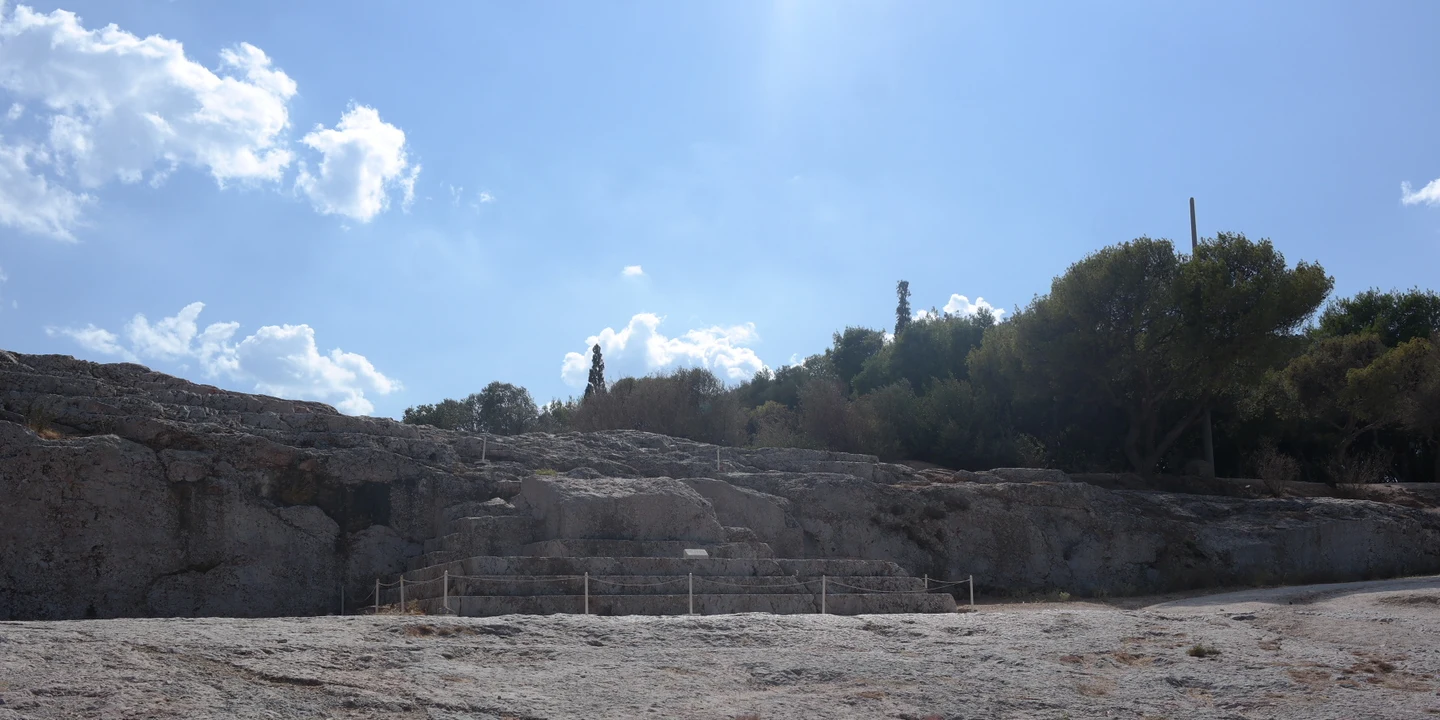
In a direct system, citizens vote on laws and decisions themselves — without electing representatives to decide for them. Ancient Athens practised a form of direct democracy, though only free adult males could participate. Modern direct participation appears in referendums — votes in which citizens decide a specific question directly. The Brexit vote (2016) and Swiss national referendums are examples.
Representative democracy
In a representative system, citizens elect representatives who make decisions on their behalf. Most modern states use this representative form. Britain, Germany, Canada, India, and the United States all operate representative democracy through elected parliaments or congresses.
Constitutional democracy
Most modern democracies are also constitutional — democracy operating within a legal framework that limits government power and protects individual rights. A constitution sets the rules of the system itself: how elections work, what rights citizens have, and what the government cannot do. The French Revolution produced early experiments with constitutional democracy in Europe.
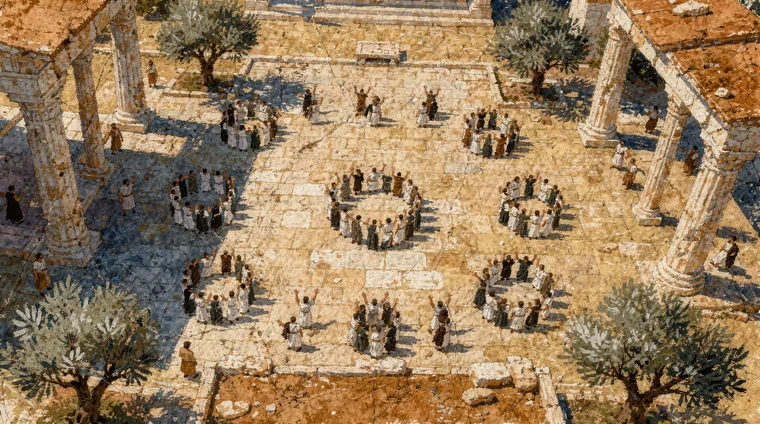
Image: Generated with AI (Epivo)
How Democracy Works in Practice
Good governance is more than elections. A functioning system requires a cluster of institutions and norms.
Elections and voting
Free, fair, and regular elections are the core of the system. Citizens must be able to vote without coercion, votes must be counted accurately, and results must be accepted by the losing side. Electoral systems vary: some use proportional representation (seats in parliament reflect vote share), others use first-past-the-post (the candidate with the most votes wins each constituency).
Separation of powers
Power is distributed between three branches of government. A legislature makes laws, an executive implements them, and an independent judiciary applies them. This separation prevents any single branch from becoming too powerful.
Rule of law and civil liberties
The system requires that everyone — including government officials — is subject to the law. It also requires civil liberties: freedom of speech, press, assembly, and religion. Without these, democracy is an empty form. A government that wins elections but suppresses opposition and controls the press is practising illiberal governance — a form that scholars debate whether to call democracy at all.
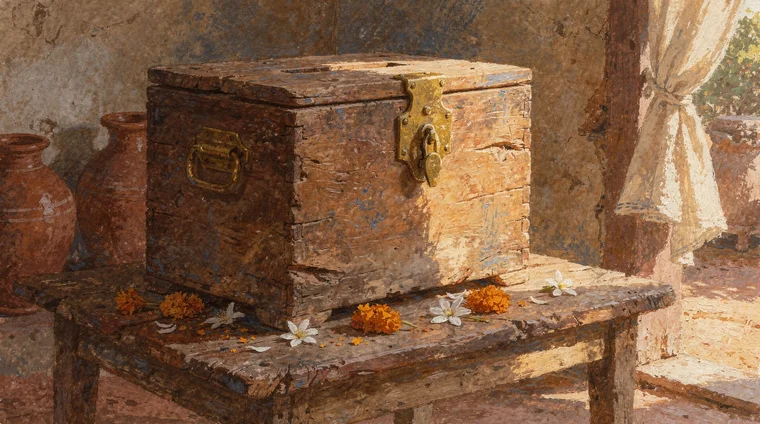
Image: Generated with AI (Epivo)
The History and Future of Democracy
Democracy has ancient roots but is surprisingly young as a widespread system of government.
Ancient origins
Democracy was invented in Athens around 508 BCE. Athenian democracy allowed free adult male citizens to vote directly on laws in an assembly — a radical idea for its time. But it excluded women, slaves, and foreigners. The concept largely disappeared with the fall of Athens and Rome, surviving mainly as an idea in texts.
Modern democracy
Modern representative government emerged gradually. The Magna Carta (1215) limited royal power in England. The Glorious Revolution (1688) established parliamentary sovereignty. The American Revolution (1776) and the French Revolution (1789) spread democratic ideas. By the mid-20th century, this form had become the dominant ideology — though often more in theory than practice.
Democracy under pressure
Democracy is not inevitable or permanent. The 21st century has seen backsliding in many countries — elected leaders weakening courts, attacking the press, and undermining election integrity. Understanding what this system requires — and what threatens it — is a crucial part of global citizenship.
Image: Generated with AI (Epivo)
Frequently asked questions
- Who invented democracy?
- This form of government is credited to ancient Athens, where the statesman Cleisthenes introduced reforms around 508 BCE that gave citizens direct voting power. The word 'democracy' itself is Greek. However, earlier forms of collective decision-making existed in other cultures. Modern representative government is a largely 18th-century invention, developed through American and European political thought.
- What is the difference between a democracy and a republic?
- In a republic, political power belongs to the public rather than a monarch. Most modern democracies are republics. But the terms are not identical: one form emphasises popular participation; a republic emphasises limited government and rule of law. The United States calls itself a 'democratic republic' — a representative system with constitutional limits on government power.
- Why do some countries not have democracy?
- Democracy requires specific conditions: rule of law, civil liberties, political competition, and a culture of accepting electoral defeat. In many countries, these conditions have not developed — due to authoritarian traditions, economic inequality, ethnic divisions, or external interference. Some governments hold elections but suppress opposition, creating systems that look like democracy but lack its substance.
- Is democracy the best form of government?
- Winston Churchill famously said this form of government is 'the worst, except for all the others.' Research consistently shows that democracies are more peaceful, wealthier, and better at protecting human rights than authoritarian states. Its weaknesses — slow decisions, populism — are real, but generally outweighed by the protection against tyranny that regular, peaceful transfers of power provide.