Why was the Battle of the Somme fought?
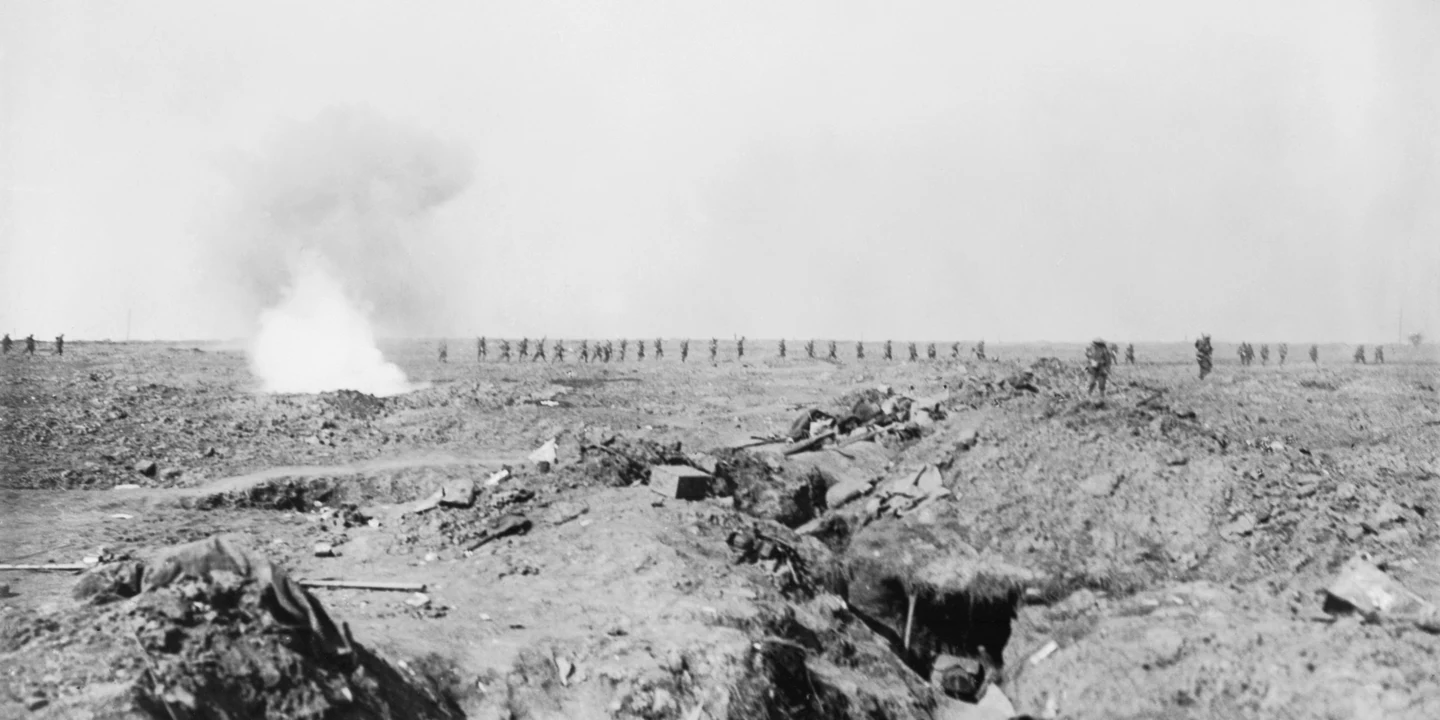
The Battle of the Somme was fought to relieve pressure on the French army at Verdun and to break through the German defensive lines on the Western Front. By 1916, trench warfare had locked both sides into a deadly stalemate across northern France.
Germany had launched a massive attack on the French fortress city of Verdun in February 1916. France was losing thousands of soldiers each week. British and French commanders agreed that a major joint offensive along the River Somme would force Germany to divert troops away from Verdun.
Planning the offensive
British General Sir Douglas Haig commanded the main attacking force. According to Encyclopaedia Britannica, the plan relied on a week-long artillery bombardment to destroy German trenches and barbed wire before infantry advanced. The British fired over 1.5 million shells in seven days. However, many shells were defective, and the deep German dugouts survived largely intact. The soldiers waiting in the trenches had no way of knowing that the bombardment had failed to achieve its purpose.
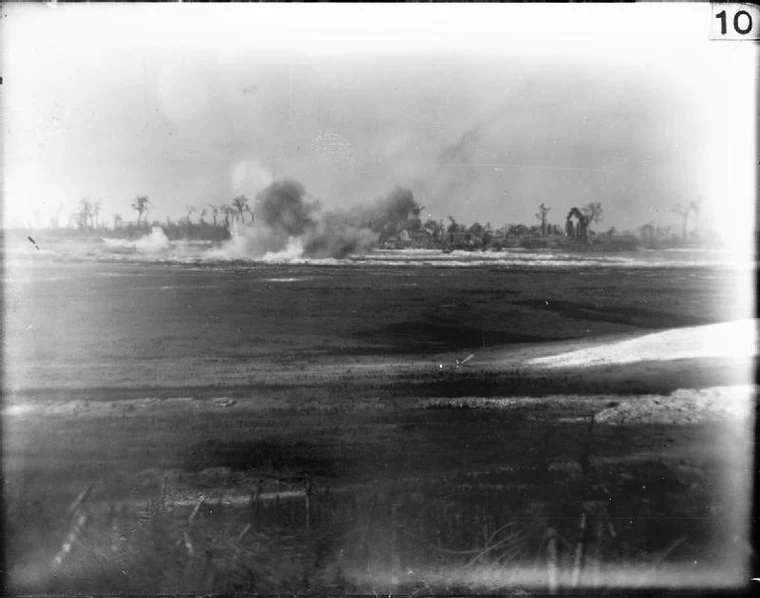
British artillery batteries fire during the week-long bombardment that preceded the infantry attack on 1 July 1916. Over 1.5 million shells were fired, but many failed to destroy the deep German defences.. Image: Imperial War Museums, via Wikimedia Commons (Public domain)
The disastrous first day: 1 July 1916
The first day of the Battle of the Somme was the worst single day in British military history. On 1 July 1916, roughly 57,470 British soldiers became casualties, including nearly 19,240 killed.
At 7:30 am, whistles blew and thousands of men climbed out of their trenches. Many carried heavy packs weighing over 30 kilograms. Officers had ordered them to walk in lines across no man's land, believing the bombardment had destroyed the German positions.
In reality, German soldiers emerged from deep underground bunkers and set up their machine guns within minutes. According to the Imperial War Museums, rows of advancing British soldiers were cut down by machine-gun fire before they reached the German wire. Some battalions lost over 80% of their men within the first hour.
A failure of tactics
The disaster resulted from several factors. The artillery had failed to cut the barbed wire or destroy the deep German dugouts. Communication between front-line troops and headquarters was almost impossible once the attack began. Furthermore, the rigid tactics left soldiers with no ability to adapt when they encountered unbroken defences. Despite the catastrophic losses, commanders ordered further attacks throughout the day.
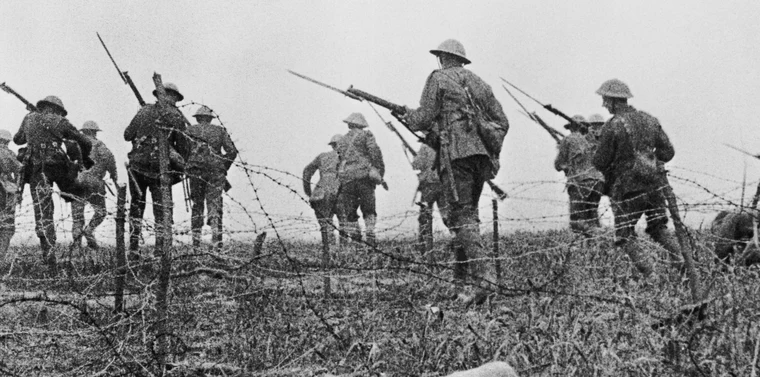
British troops leave their trench to advance across no man's land — a still from the 1916 documentary film "The Battle of the Somme.". Image: Geoffrey Malins / IWM, via Wikimedia Commons (Public domain)
The five-month campaign and the first tanks
After the disastrous first day, the fighting along the Somme continued for another four and a half months. Commanders shifted to smaller, more targeted attacks that gradually pushed the German line back by a few kilometres.
On 15 September 1916, a new weapon appeared on the battlefield for the first time: the tank. Britain deployed 49 Mark I tanks near the village of Flers-Courcelette. These armoured machines could cross trenches and crush barbed wire. However, most broke down or became stuck in the mud. Only about a third reached the German lines. Despite their limited success, tanks showed the potential to break the deadlock of trench warfare.
Grinding attrition
Throughout the autumn, both sides fought over tiny strips of land in battles such as Thiepval Ridge and the Ancre Heights. Rain turned the battlefield into a sea of mud. Conditions in the trenches were appalling — soldiers lived alongside rats, disease, and the constant threat of shellfire. The battle finally ended on 18 November 1916, when winter weather made further operations impossible. In total, the Allied forces had advanced roughly 10 kilometres at the deepest point.
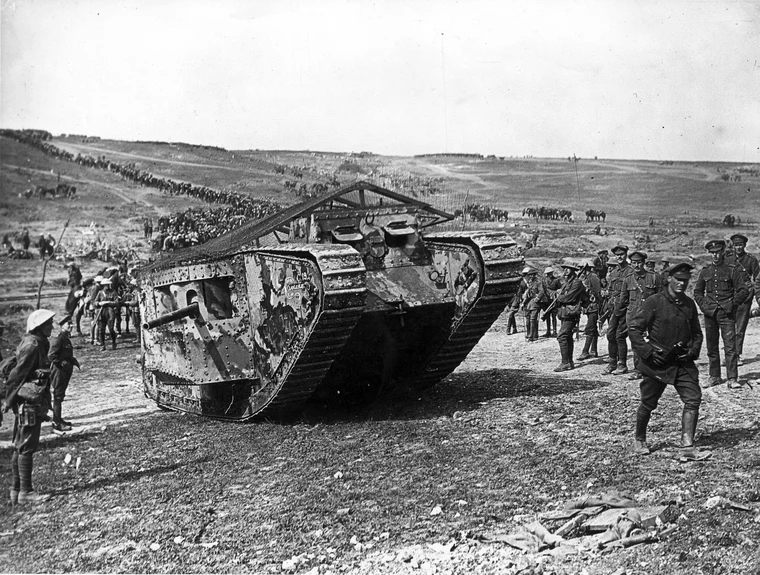
A British Mark I tank advances near Flers-Courcelette on 15 September 1916. This was the first time tanks were used in combat, though mechanical failures limited their impact.. Image: Ernest Brooks / Imperial War Museums, via Wikimedia Commons (Public domain)
Did you know?
-
On 1 July 1916, the British Army suffered approximately 57,470 casualties — including 19,240 killed — making it the deadliest single day in British military history.
Imperial War Museums — First day of the Somme -
The Battle of the Somme lasted 141 days, from 1 July to 18 November 1916. Combined casualties across all sides exceeded one million soldiers killed, wounded, or missing.
Encyclopaedia Britannica — Battle of the Somme -
On 15 September 1916, Britain deployed tanks in combat for the first time during the Battle of the Somme. Of the 49 Mark I tanks sent forward, only about 18 reached the German lines.
Imperial War Museums — Tanks and the First World War
Casualties and legacy of the Battle of the Somme
The human cost of the Battle of the Somme was staggering. British forces suffered around 420,000 casualties. French forces lost approximately 200,000. German casualties are estimated at between 465,000 and 600,000. In total, more than one million soldiers were killed, wounded, or went missing during the five-month campaign.
For a maximum advance of roughly 10 kilometres, the price in human life was almost incomprehensible. As a result, the Somme became a powerful symbol of the futility and waste of World War 1. In Britain especially, the battle shattered public faith in military leadership.
Remembrance
The Thiepval Memorial in northern France bears the names of over 72,000 British and South African soldiers who died at the Somme and have no known grave. Every year on 1 July, memorial services honour those who fell. The battle's legacy also shaped the peace settlement that followed the war. The enormous losses at the Somme and other battles fuelled public demand for a lasting peace — demands that directly influenced the Treaty of Versailles in 1919.
For many historians, the Somme represents both the horror of industrialised warfare and the courage of ordinary soldiers sent into impossible conditions. Its legacy continues to shape how nations remember and think about the cost of war.
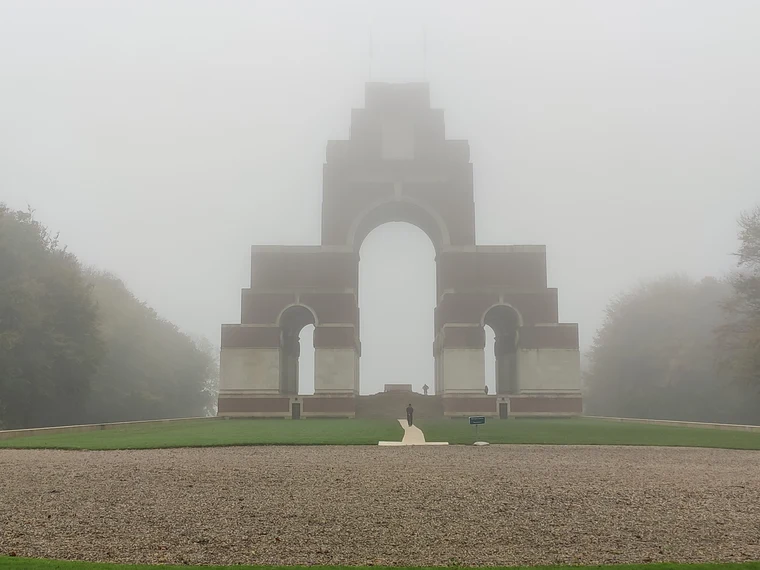
The Thiepval Memorial in northern France lists the names of over 72,000 British and South African soldiers who died at the Somme and have no known grave. It remains the largest British war memorial in the world.. Image: Wernervc, via Wikimedia Commons (CC BY-SA 4.0)
Frequently asked questions
- How many people died in the Battle of the Somme?
- Combined casualties exceeded one million. British forces suffered around 420,000 casualties, French forces about 200,000, and German losses are estimated between 465,000 and 600,000. These figures include killed, wounded, and missing soldiers across the 141-day battle.
- Why was the first day of the Somme so deadly?
- The week-long artillery bombardment failed to destroy German defences or cut the barbed wire. When British soldiers advanced on 1 July 1916, German machine gunners emerged from deep underground bunkers and fired on lines of infantry crossing open ground. Nearly 57,500 British soldiers became casualties in a single day.
- Were tanks first used at the Battle of the Somme?
- Yes. On 15 September 1916, Britain deployed 49 Mark I tanks for the first time in combat near Flers-Courcelette. Most broke down or got stuck in the mud, but they demonstrated the potential to cross trenches and break through barbed wire.
- Where was the Battle of the Somme fought?
- The battle took place along a 25-kilometre front near the River Somme in the Picardy region of northern France. Key locations included the villages of Thiepval, Beaumont-Hamel, Pozières, and Flers. Today, the area contains numerous memorials and cemeteries.
- Did the Allies win the Battle of the Somme?
- The result is debated. Allied forces advanced roughly 10 kilometres and relieved pressure on the French at Verdun. However, they failed to achieve a breakthrough. The enormous casualties on both sides made the Somme a symbol of the futility of trench warfare rather than a clear victory.