What Is Electricity Made Of?
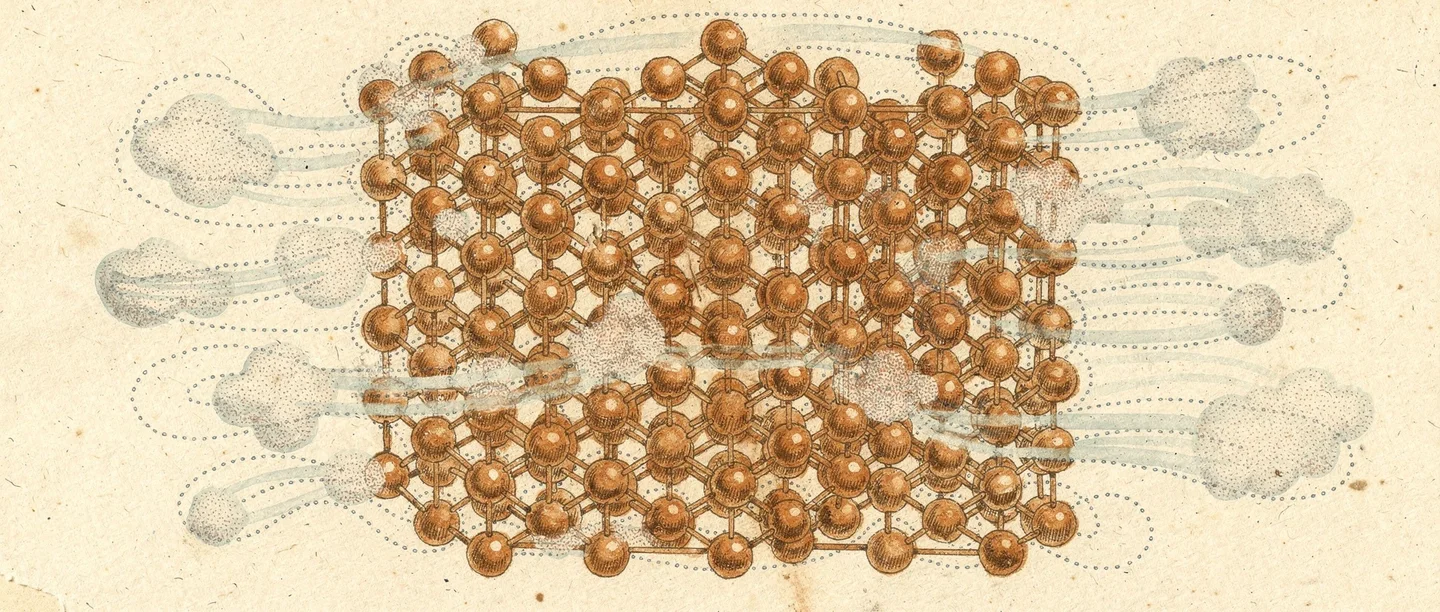
All matter is made of atoms. Every atom contains a nucleus of protons and neutrons, surrounded by electrons. Protons carry a positive charge. Electrons carry a negative charge. Normally these balance out and the atom is neutral.
When electrons are freed from their atoms and pushed along a conductor — usually a metal wire — that movement is an electric current. Electricity is the organised flow of these electrons.
Static electricity
Not all electricity involves flow. Static electricity is a build-up of charge on a surface. When you rub a balloon on your hair, electrons transfer from your hair to the balloon. The balloon becomes negatively charged. Your hair becomes positively charged. They attract each other — that is static electricity at work.
Conductors and insulators
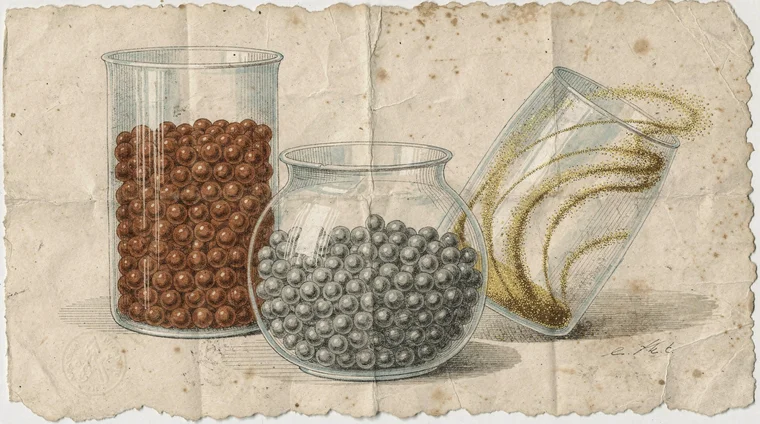
Materials that allow electrons to flow freely are conductors. Metals like copper and aluminium are excellent conductors. Materials that resist electron flow are insulators — rubber, plastic, and glass are examples. Electrical cables use a copper conductor inside a plastic insulator for this reason.
Voltage, Current, and Resistance
Three key quantities describe electricity in a circuit.
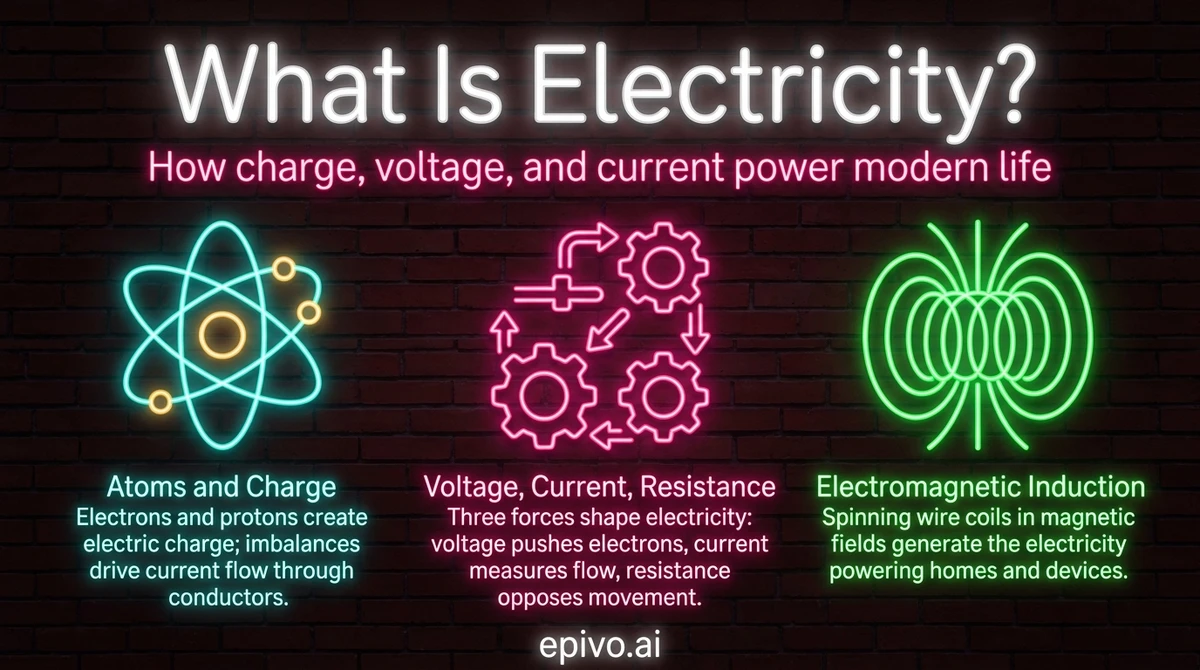
Voltage is the push that drives electrons around a circuit. It is measured in volts (V). A standard AA battery provides 1.5 volts. A household socket in the UK provides 230 volts.
Current is the rate at which charge flows — how many electrons pass a point per second. It is measured in amperes, or amps (A). A phone charger uses about 1–2 amps.
Resistance is how strongly a material opposes the flow of electrons. It is measured in ohms (Ω). Thinner wires and poorer conductors have higher resistance.
Ohm's Law
These three quantities are linked by Ohm's Law: voltage equals current multiplied by resistance (V = I × R). Double the voltage and the current doubles. Double the resistance and the current halves. This relationship underpins almost all electrical engineering.
How Electricity Is Generated and Used
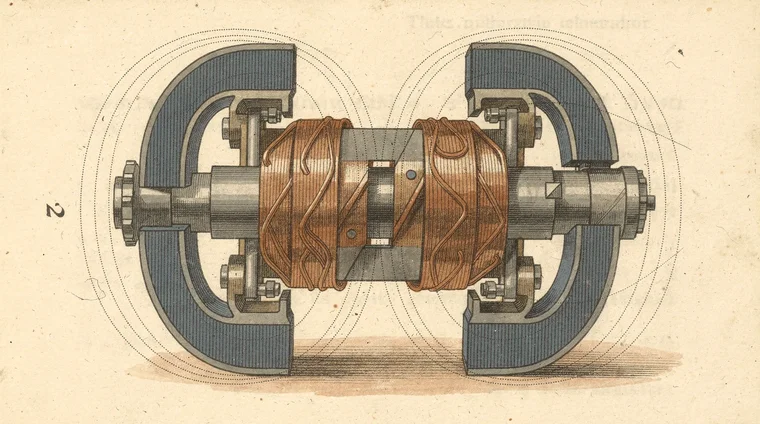
Most electricity is generated by spinning a coil of wire inside a magnetic field. This process — electromagnetic induction — was discovered by Michael Faraday in 1831. Whether the spinning is powered by steam from coal or nuclear fuel, falling water, or wind, the basic mechanism is the same.
The power grid
Power stations generate electricity at high voltage. Transformers step the voltage up even higher for long-distance transmission, then step it back down before it enters homes. High voltage reduces energy lost as heat over long distances. This network of power lines and transformers is called the national grid.
Renewable electricity
Solar panels convert sunlight directly into electricity using the photovoltaic effect. Wind turbines use wind to spin a generator. These sources produce no direct emissions and their costs have fallen dramatically. Solar and wind are now the cheapest sources of new electricity in most countries.
Frequently asked questions
- What is the difference between AC and DC electricity?
- Direct current (DC) flows in one direction only — like electricity from a battery. Alternating current (AC) switches direction many times per second — 50 or 60 times, depending on the country. AC is used in power grids because it can be easily transformed to different voltages. Batteries and most electronics use DC internally.
- Why is lightning electricity?
- Lightning is a massive static discharge. Storm clouds build up enormous negative charge at the bottom. When the difference between cloud and ground becomes large enough, electrons jump through the air in a giant spark. That spark is a huge electric current — lightning. It takes only about a millisecond but releases enormous energy.
- Why is electricity dangerous?
- Electric current passing through the human body can disrupt heart rhythm and damage tissue. Even relatively small currents — as low as 10 milliamps — can cause muscle contractions that prevent letting go of a live wire. High voltages are especially dangerous because they can drive current through the body's resistance.
- How does a battery store electricity?
- A battery stores chemical energy, not electricity directly. A chemical reaction inside the battery pushes electrons from the negative terminal through an external circuit to the positive terminal. This flow of electrons is the electric current. When the chemical reactants are used up, the battery is flat.