World War 2 course: How did Europe walk into a second world war just twenty years after the first?
Work it out in conversation with your own AI tutor in the Epivo app.

Free · No card · Android app
Start learning freeFree · No card · Opens Google Play (Android)
Get an email when the iPhone app is ready.
- 30 minutes a day with your tutor, on the free plan
- Remembers where you left off and what you've told your tutor about yourself
- Certificate included anyone can check it online
Why Epivo
Learn through engaging dialogue. Not through lectures.
Gain deeper understanding and stay capable in a changing world.
Free · No card · Android app
Start learning freeHow it works
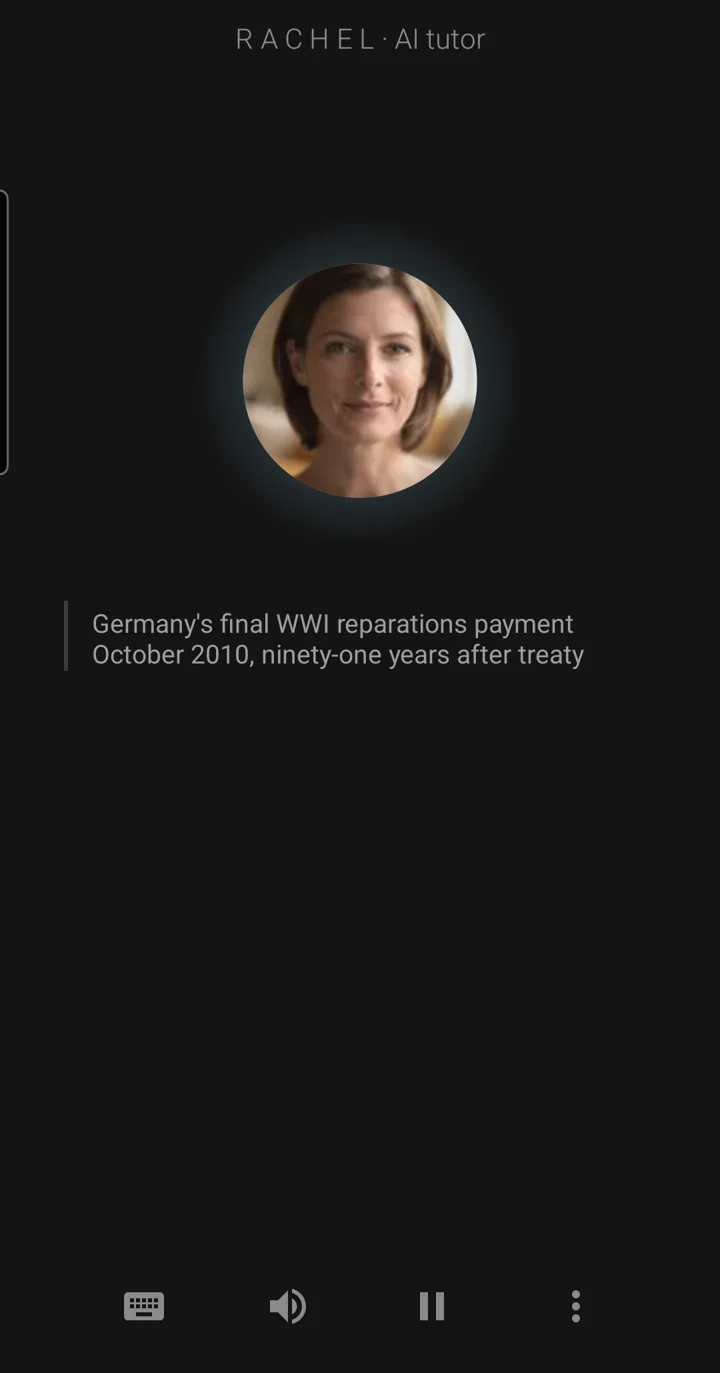
- Your tutor tells the story, a piece at a time, then hands you one small puzzle about why it happened.
- You think it through, out loud or by typing. You don't need to know the answer: your tutor helps you along and tells you when you're close.
- Step by step, it adds up. Your tutor remembers your past sessions and picks up where you left off.
What you'll understand
- 1919–1933Why the peace that ended the First World War made a second one likely
- 1938–1942How Europe tried to buy peace at Munich, and how Germany then took most of the continent
- The secret warHow codebreakers at Bletchley Park read enemy messages, and how double agents fed Germany false plans
- The HolocaustHow the Holocaust happened, step by step, and the people who resisted and rescued
- 1945–1950What the war left behind: the Nuremberg trials, the United Nations and a divided world
You don't need to know anything first. The course begins in 1919. See the full course →
Hear a sample of how a lesson starts
Let's start in 1919. The First World War has just ended, and the winners are writing the peace. So here's my first question for you. If you were at that table in Versailles, would you punish Germany hard, or go easy on it? Tell me what you think, and we'll see where it leads.
What it costs
Free
- 30 minutes a day with your tutor
- No card needed.
- Your first hour uses the Premium voice (once, not every day). After that your tutor speaks with the free voice, which runs on your phone. The lessons, the questions and your progress stay exactly the same.
- Certificates included.
- Want more time? Paid plans add more tutoring time and more Premium voice time. See plans and prices →
Finish with a certificate
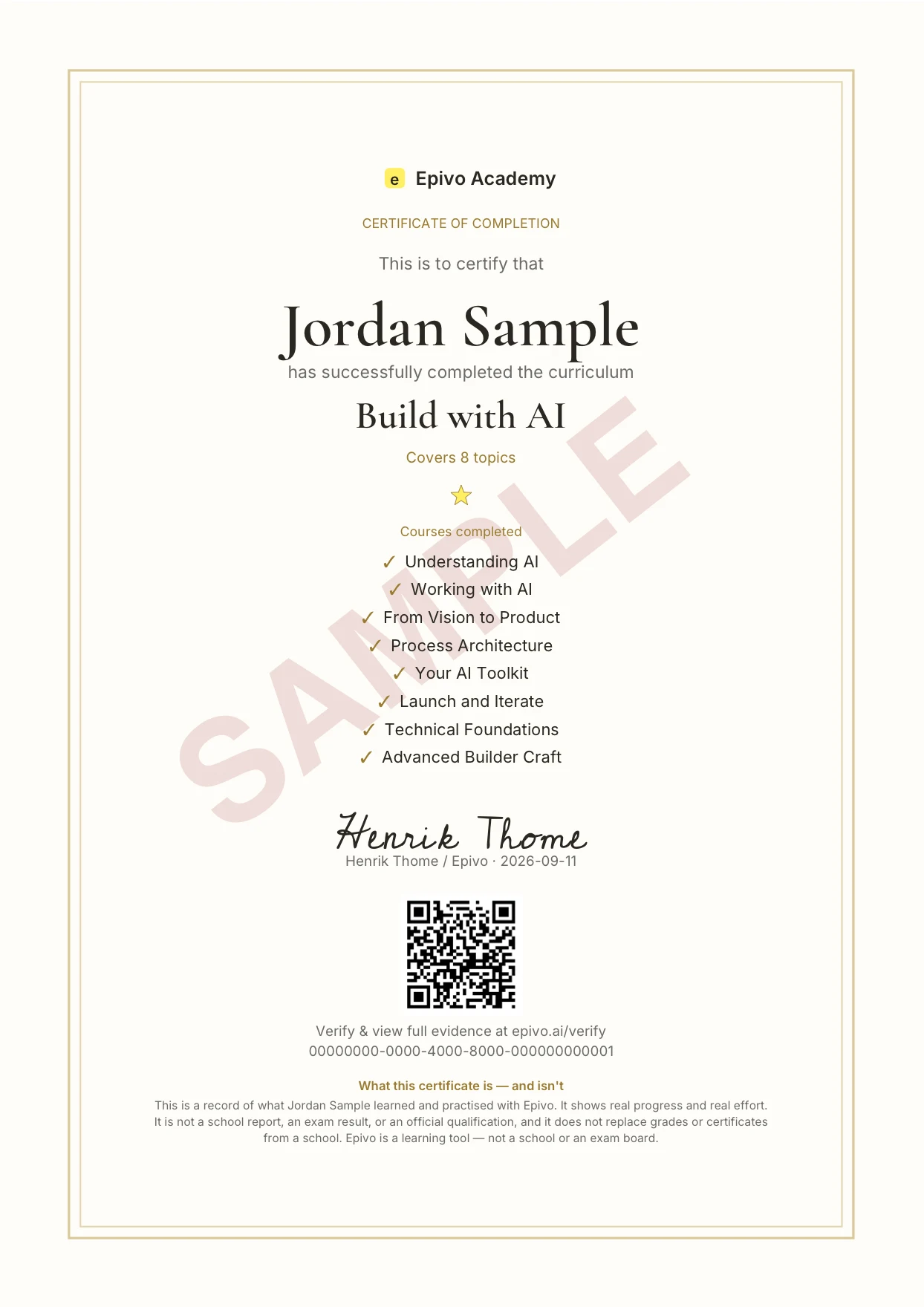
Finish all the World War 2 courses and earn a certificate anyone can check online. See a sample →
Questions
Is it really free?
Yes. Thirty minutes a day with your tutor, and no card. Paid plans add more time if you ever want it.
Is my tutor a real person?
No. Your tutor is an AI that talks with you, follows a planned course and remembers your past sessions.
How do I know the lessons are accurate?
Before written lesson material reaches you, an AI checks its key facts against independent published sources, and a second AI re-checks anything flagged. Your tutor is instructed to teach from that material and to tell you when unsure: an instruction, not a guarantee. And you can check for yourself: tap Sources in the lesson menu and pick a session to see what it drew on, including links to the original sources.
How is this different from asking ChatGPT?
ChatGPT answers what you ask. Your tutor leads the way: a planned route through the whole war, one question at a time, picking up where you left off.
Does it cover the Holocaust?
Yes, as its own part of the course: how it happened, and the people who resisted and rescued.
Does it cover the war in the Pacific?
Yes. A whole part of the course follows the war with Japan, from Pearl Harbor and Midway to Okinawa, Hiroshima and Nagasaki, and Japan's surrender.
Is it on iPhone?
Not yet. Epivo runs on Android today. Open this page on an iPhone and you can leave your email; we'll tell you when the iPhone app is ready.
Step into 1919. Uncover the rest together.
Your first lesson opens at Versailles, with the peace that set up the next war.
Free · No card · Android app
Start learning freeFree · No card
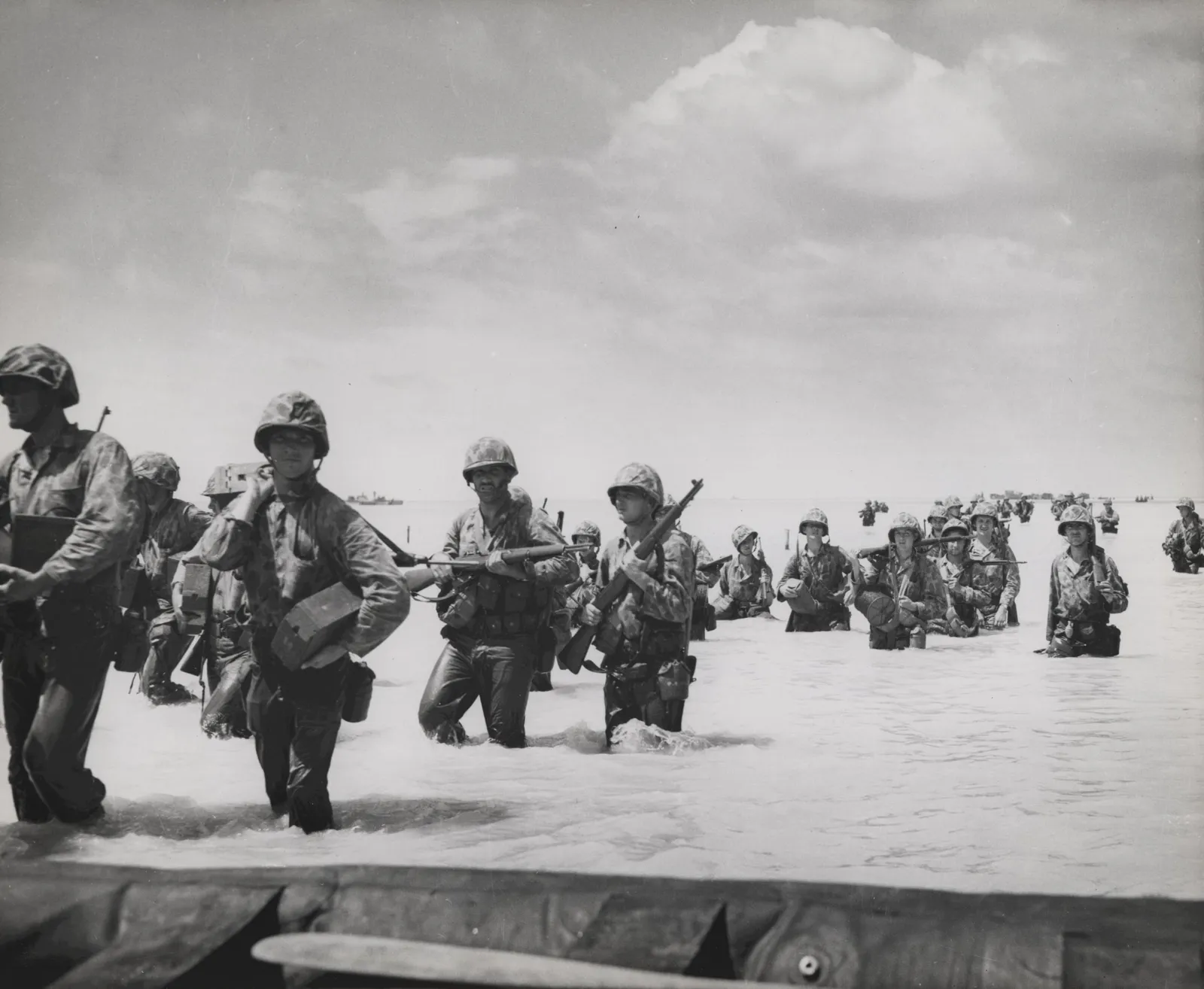
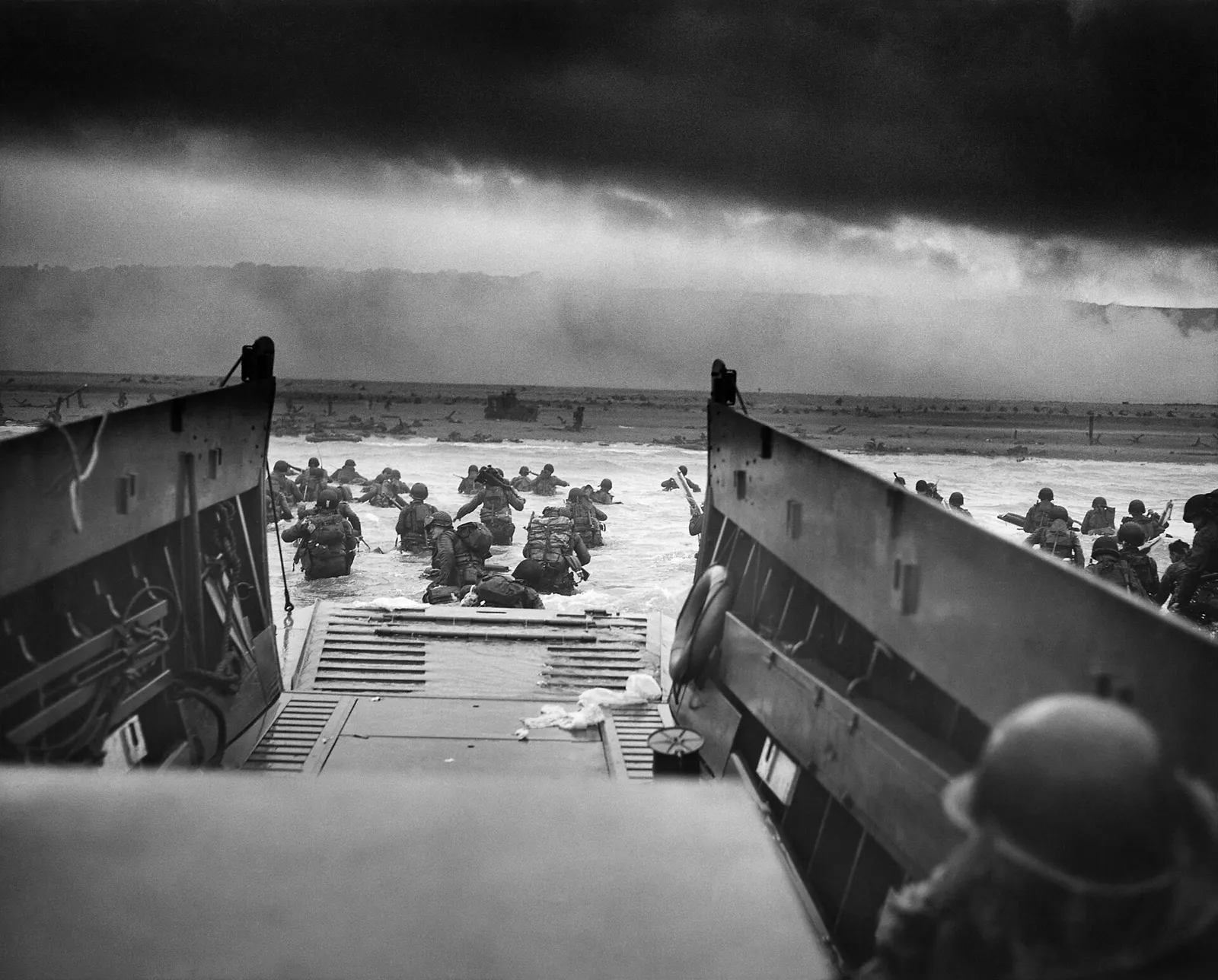
Photo credits (all via Wikimedia Commons). D-Day, Normandy, 6 June 1944: Robert F. Sargent, US Coast Guard (public domain, restored edit). The Big Four at Versailles, 1919 (public domain). Defenders of Warsaw, 1939: Central Photographic Agency Warsaw (public domain). Enigma machine: mattk1979, CC BY-SA 2.0, cropped. Danish rescue boat, US Holocaust Memorial Museum: Brigade Piron, CC BY 3.0, cropped. Defendants at Nuremberg, 1945: Raymond D’Addario (public domain). US Marines at Tarawa, 1943: USMC Archives from Quantico, USA, CC BY 2.0.


