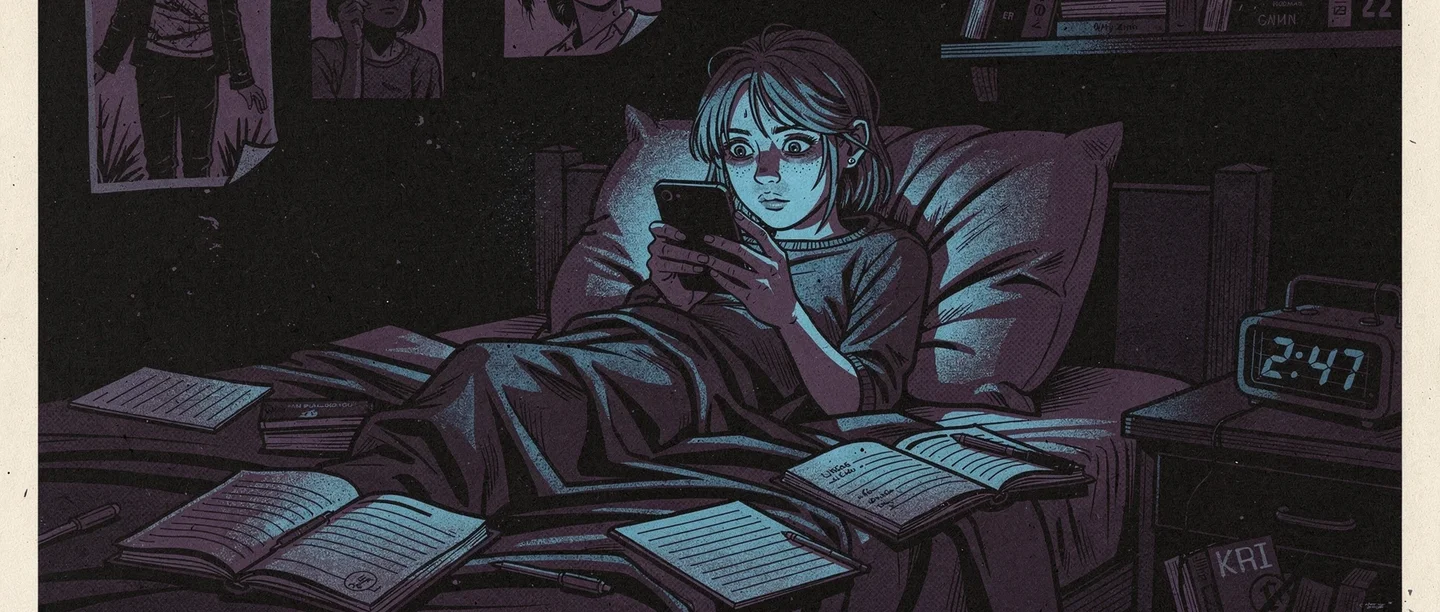
What Cyberbullying Looks Like
Cyberbullying takes many forms. Recognising it is the first step toward addressing it.
Harassment — repeatedly sending threatening, abusive, or cruel messages.
Exclusion — deliberately leaving someone out of online groups, games, or conversations to make them feel isolated.
Impersonation — creating a fake account or using someone's account to post embarrassing content as them.
Outing — sharing someone's private information, photos, or secrets without their permission.
Trolling — deliberately provoking or upsetting someone by posting inflammatory content.
Doxxing — publishing someone's private address or contact details online to expose them to harassment.
What makes cyberbullying different
Traditional bullying is usually confined to physical spaces — school, a street, a playground. Cyberbullying can reach a target at any time, in any place. Content can spread to a large audience quickly. The bully may feel emboldened by anonymity. And messages, images, or videos can persist online indefinitely, making the harm harder to escape.
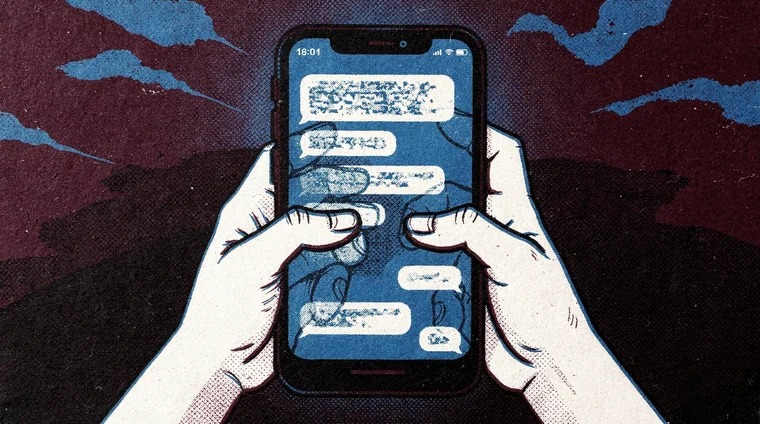
Why Cyberbullying Happens and Its Effects
Cyberbullying is not caused by any single factor. Research points to a mix of individual, social, and technological causes.
Anonymity lowers inhibitions. People say online what they would not say to someone's face. The absence of immediate physical or social consequences makes cruelty feel more distant. Peer dynamics — wanting to belong, feeling power over others, or following a group — can lead people to participate in bullying they might individually resist.
Effects on targets
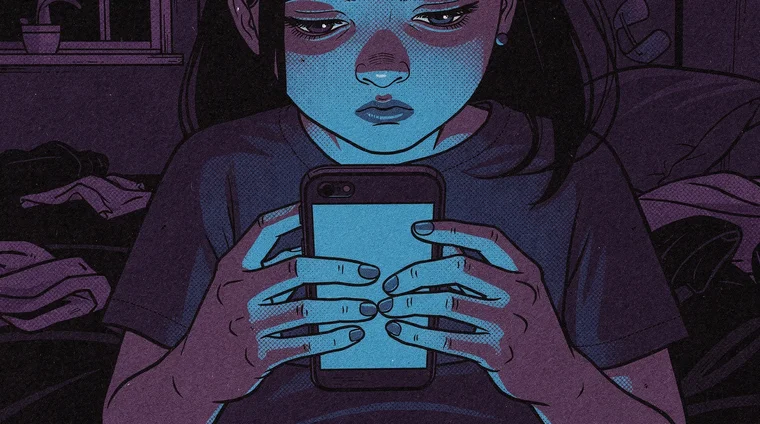
Cyberbullying causes real harm. Targets report higher rates of anxiety, depression, and low self-esteem. Sleep disruption is common. In severe cases, cyberbullying has contributed to young people withdrawing from school, self-harming, or experiencing suicidal thoughts. The persistent, public nature of online bullying can make its effects feel inescapable.
Effects on those who bully
Those who engage in cyberbullying are not unaffected either. Research shows that bullying behaviour — online or offline — is associated with higher rates of depression and conduct problems in the perpetrators themselves. Cyberbullying is a problem for the whole community, not just its targets.
How to Respond to Cyberbullying
Knowing what to do when cyberbullying occurs makes a real difference.
For young people
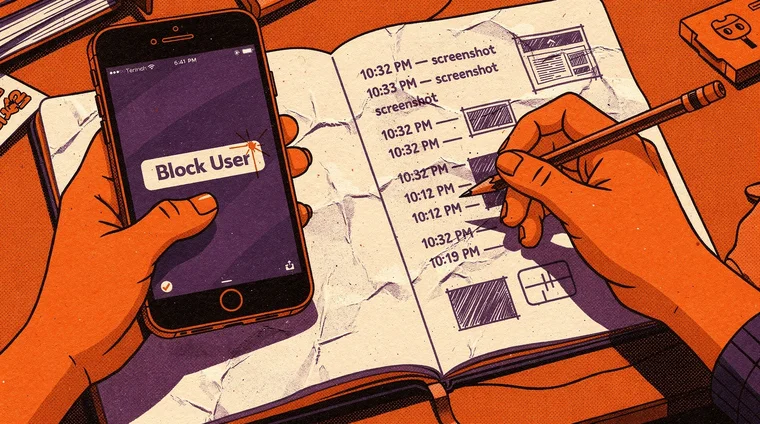
Don't respond — engaging often escalates the situation. Save evidence — take screenshots before deleting or blocking. Block and report — every platform has tools to block users and report harmful content. Tell a trusted adult — a parent, teacher, or school counsellor. You are not alone — cyberbullying is common and it is never the target's fault.
For parents
Take reports seriously. Avoid minimising or telling a child to 'just ignore it.' Help them document incidents. Contact the school if the person involved is a classmate. Report serious incidents to the platform and, where threats or criminal behaviour are involved, to the police. Open conversations about online safety and social media are the best long-term protection.
Platform and legal tools
All major social media platforms have reporting mechanisms for harassment. In the UK, persistent online harassment can be a criminal offence under the Malicious Communications Act. The Online Safety Act (2023) places new duties on platforms to protect users from harmful content. Cyberbullying is not inevitable — it is a choice, and it has consequences.
Frequently asked questions
- How common is cyberbullying?
- Surveys vary, but research consistently finds that between 20% and 40% of young people report experiencing cyberbullying at some point. It is more common among older children and teenagers than younger ones. Girls report higher rates of cyberbullying victimisation; boys are more likely to report being perpetrators. It occurs across all social groups and school types.
- What should I do if I witness cyberbullying?
- Bystanders have real power. Do not share, like, or comment on bullying content — this amplifies it. Send a private message of support to the target. Report the content to the platform. If you know the person targeted, check they are okay. Schools increasingly teach active bystander skills, and using them online matters as much as offline.
- Can cyberbullying be a crime?
- Yes, in some circumstances. Persistent harassment, threats, sharing intimate images without consent, and incitement to self-harm can all be criminal offences under laws in the UK, US, and many other countries. Schools also have legal duties to address bullying, even when it takes place outside school hours, if it affects the school environment.
- How is cyberbullying different from online conflict?
- Not every online disagreement is cyberbullying. Normal conflict between people — arguments, falling out with friends, disagreements — happens online as it does offline. Cyberbullying involves a pattern of intentional, repeated, harmful behaviour toward someone with less power to stop it. A single unkind comment is not cyberbullying; a sustained campaign of harassment is.