
How Social Media Platforms Work
Social media platforms connect users and allow them to create, share, and interact with content. The major platforms include Instagram, TikTok, YouTube, X (formerly Twitter), Snapchat, and Facebook.
All of these platforms make money primarily through advertising. Advertisers pay to show their products to specific users. The more time users spend on the platform, the more ads they see. The platform also collects more data about their preferences. This model — sometimes called the attention economy — means the platform's goal is always to keep you engaged for as long as possible.
The algorithm
An algorithm is a set of rules that decides what content to show you. Social media algorithms analyse everything you do: what you watch, how long you pause, what you like, and who you follow. They then show you content predicted to keep you engaged — which is often emotionally stimulating, surprising, or validating. Understanding the algorithm is key to understanding social media.

Social Media's Effects on Young People
Research on social media's effects on young people is complex, but some patterns are clear.
Connection and community
Social media allows young people to maintain friendships, find communities around shared interests, and access support from peers with similar experiences. For young people in isolated situations — whether geographically or socially — social media can provide genuine connection.
Mental health
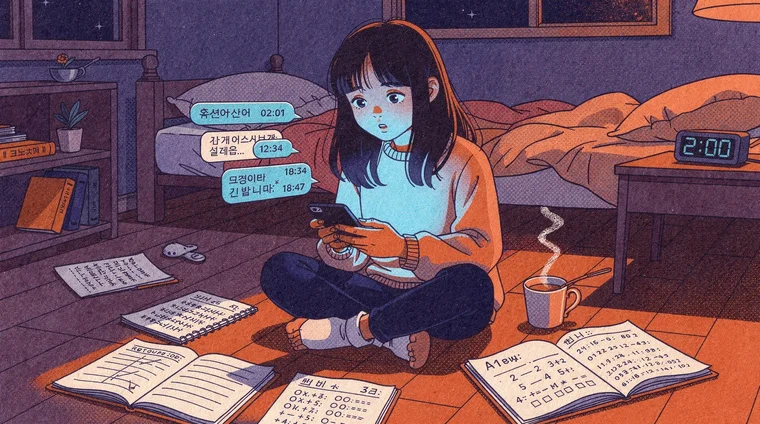
Heavy social media use is associated with increased anxiety and depression in some studies, particularly for teenage girls. Social comparison — seeing curated highlights of others' lives — can distort self-image. Constant notifications fragment attention and disrupt sleep. The relationship is not simple: moderate, intentional use appears less harmful than passive, heavy scrolling.
Filter bubbles and misinformation
Algorithms optimised for engagement tend to show content that confirms what you already believe. This creates filter bubbles — information environments where users mostly encounter views similar to their own. Misinformation spreads rapidly on social media because outrage and novelty drive engagement more than accuracy.
Using Social Media Critically and Safely
Understanding social media means recognising its design choices and making conscious decisions about how you use it.
Privacy and data
Social media platforms collect vast amounts of personal data — not just what you post, but how you behave on the platform. This data is used to build detailed profiles used in advertising and, in some cases, sold to third parties. Privacy settings matter, but they cannot eliminate the data collection that the platform's business model depends on.
Critical use strategies
Effective critical use includes: auditing your feed occasionally to check whether the content serves your goals; following accounts that challenge your views rather than only confirming them; pausing before sharing — asking whether something is likely to be true before amplifying it. Online safety starts with understanding the systems you are using.
For parents
Age restrictions (typically 13+) exist for legal reasons related to data collection, not developmental readiness. Research suggests that conversations about how social media works are more effective than simple restrictions. Helping young people develop media literacy — the ability to evaluate what they see critically — prepares them for a world where social media is unavoidable.

Frequently asked questions
- What age should children start using social media?
- Most platforms set their minimum age at 13, in line with data protection laws. There is no universal right age — it depends on maturity, the platform, and family norms. Research suggests delaying social media access until 14–16 may help. Open conversations about how it works are more valuable than a specific age cutoff.
- How do social media algorithms decide what to show?
- Algorithms analyse your behaviour — what you watch, like, and share. They predict what will keep you engaged longest and show you more of it. Over time, this creates a feedback loop where your feed shows only content you have already engaged with. Seeking out diverse content can help break this pattern.
- Is all social media bad for mental health?
- Research does not support a simple yes or no. Active use — posting, messaging, engaging with friends — is linked to better wellbeing than passive scrolling. Content that promotes comparison is more harmful than content providing genuine connection. Effects depend heavily on what someone uses social media for and how long they spend.
- What is the difference between social media and the internet?
- The internet is the global network that connects computers. Social media is an application built on the internet, designed for creating and sharing content between users. Email, websites, and streaming services also use the internet but are not social media. Social media is one part of the internet, not the whole thing.