How Personal Data Is Collected Online
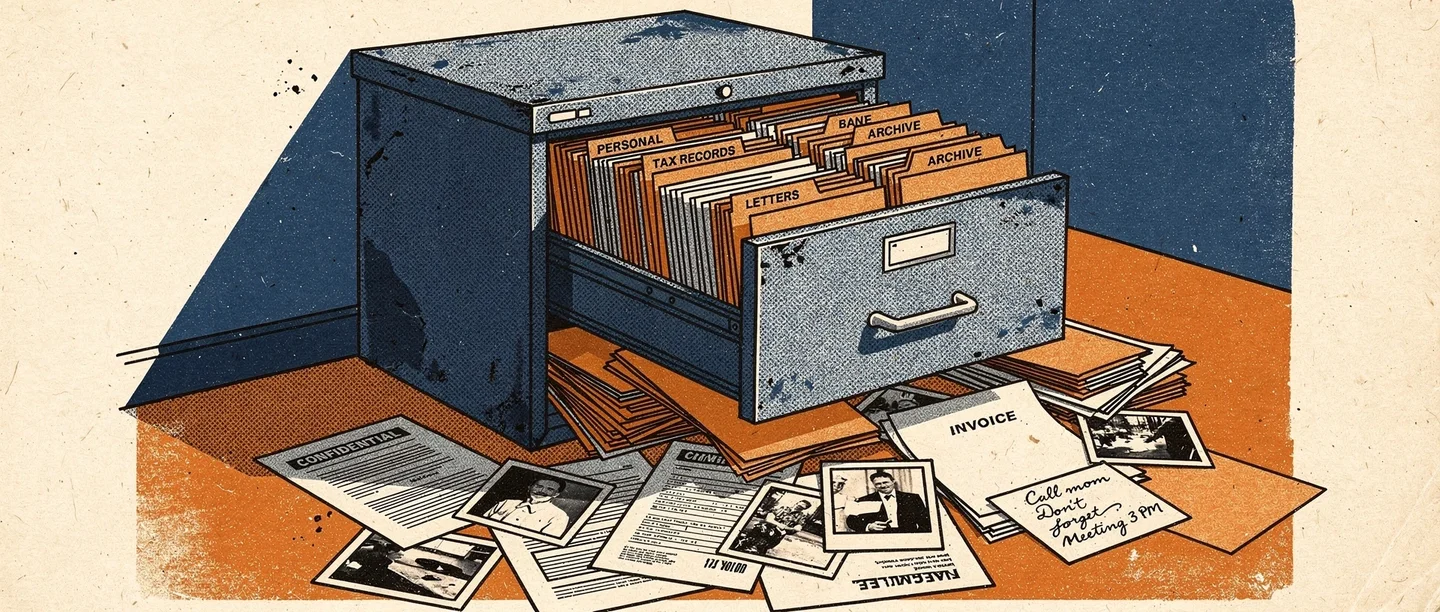
Data collection happens through many channels — some visible, many invisible.
Cookies and tracking
When you visit a website, it typically places a small file — a cookie — on your device. Cookies remember your preferences and login status. Third-party cookies (from advertisers) track you across multiple websites, building a profile of your browsing behaviour. Most browsers now allow third-party cookie blocking as a digital privacy measure.
Apps and permissions
Mobile apps request access to your location, contacts, camera, microphone, and health data. Many request permissions they do not strictly need. Reviewing app permissions is one of the simplest steps you can take to protect your digital privacy.
Social media data collection
Social platforms collect everything you post, like, share, and search for — plus metadata about when and where you do it. They build detailed profiles used to target advertising with precision. Even data you do not post explicitly — your political views inferred from what you read — is collected. Your digital footprint encompasses far more than what you consciously share.
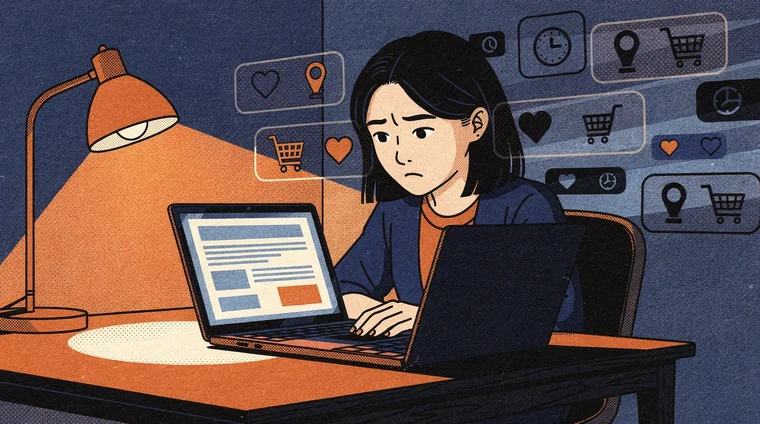
Image: Generated with AI (Epivo)
Data Protection Laws and Your Rights
Governments have introduced laws to regulate how organisations handle personal data.
GDPR
The General Data Protection Regulation (GDPR) applies across the European Union and UK. It gives individuals the right to know what data is held about them, to request its deletion, and to opt out of data processing in many cases. Companies must obtain informed consent before collecting non-essential data and must report data breaches promptly.
COPPA and child protection
The US Children's Online Privacy Protection Act (COPPA) restricts data collection from children under 13. Most platforms set 13 as a minimum age partly because of COPPA. In practice, many younger children use platforms anyway — a significant digital privacy gap.
Your rights in practice
Under GDPR and similar laws, you can request a copy of the data a company holds about you — known as a Subject Access Request. You can ask for incorrect data to be corrected and, in many cases, for your data to be deleted entirely. These rights exist — but you have to exercise them.
Image: Generated with AI (Epivo)
How to Protect Your Digital Privacy
Practical steps can significantly reduce the amount of data collected about you and its potential for misuse.
Browser and search settings
Using a privacy-focused browser (Firefox, Brave) and search engine (DuckDuckGo) reduces tracking. Enabling private browsing mode prevents local history being stored. Installing a tracker-blocking extension (uBlock Origin) stops third-party advertising networks from following you across sites.
App and account hygiene
Review and restrict app permissions regularly. Delete apps you no longer use. Use strong, unique passwords with a password manager. Enable two-factor authentication on important accounts. Read privacy policies — or at minimum the key sections — before signing up for services.
Think before you share
Digital privacy begins with awareness. Before sharing personal details, photos, or location data online, consider who can see it and how it could be used. Once data is online, digital privacy is hard to restore. Online safety and digital privacy are closely linked — both require deliberate habits.
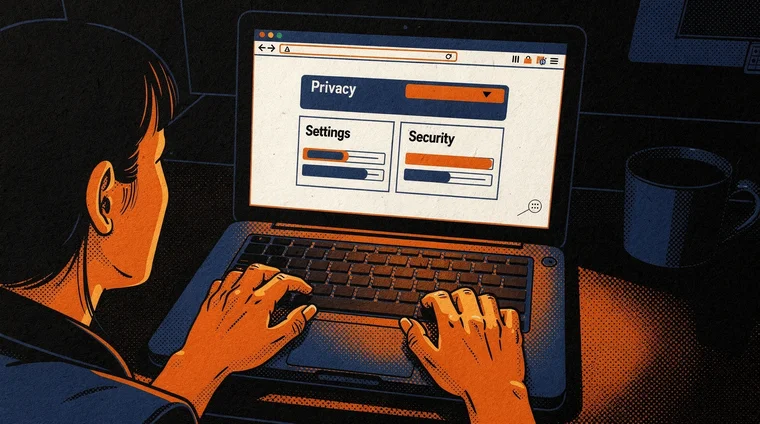
Image: Generated with AI (Epivo)
Frequently asked questions
- Is digital privacy the same as security?
- They overlap but differ. Security protects data from unauthorised access — hackers, thieves. Digital privacy concerns who is legitimately allowed to collect and use your data. A company may securely hold your data but still violate your privacy by selling it without consent. Good digital hygiene requires both.
- Does using private/incognito mode protect my privacy?
- Private browsing prevents your browser from saving history, cookies, and form data locally. It does not hide your activity from your internet provider, employer network, or the websites you visit. For stronger privacy, a VPN (Virtual Private Network) encrypts traffic between your device and the internet.
- Why do free apps and services collect so much data?
- Free services are paid for by advertising. The more precisely advertisers can target users, the more they pay. Your data is the product being sold. This is sometimes summarised as: if you are not paying for the product, you are the product. Understanding this model is central to digital privacy awareness.
- Can I ask a company to delete my personal data?
- Under GDPR (EU and UK) and similar laws, yes — this is the 'right to erasure'. Submit a deletion request to the company's data protection officer. They must respond within 30 days. Exceptions exist: data kept for legal compliance or legitimate business reasons may not be deletable.