How Screen Time Affects Children
Research on screen time and child development has grown rapidly. The effects vary significantly by age, content, and context.
Sleep
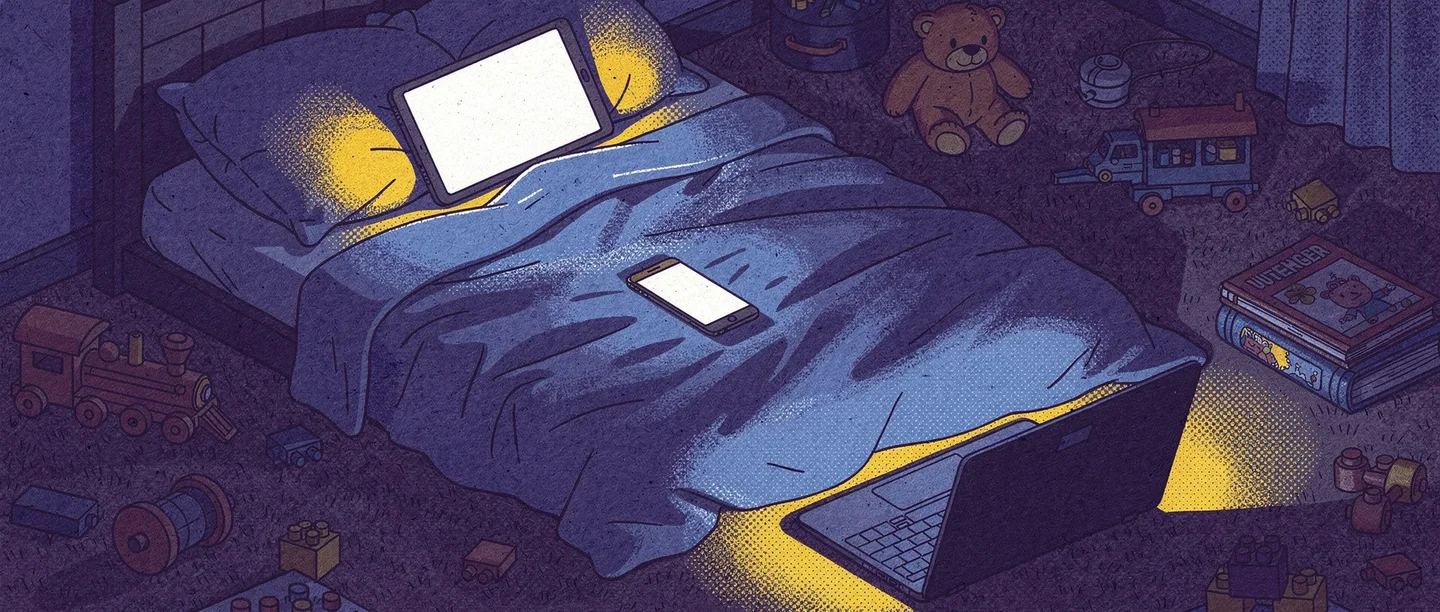
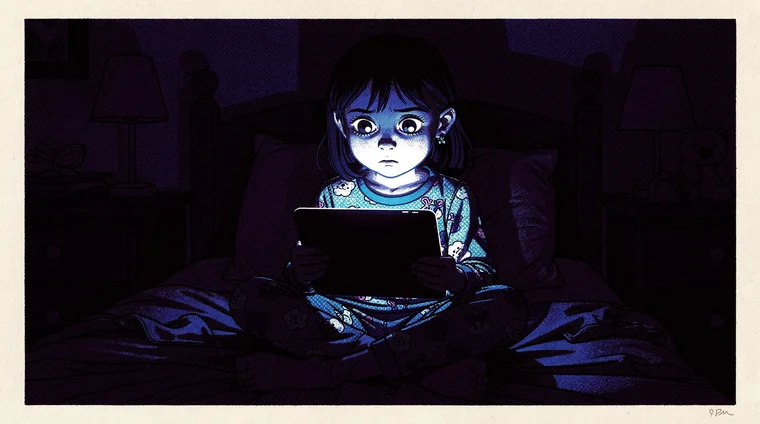
Blue light emitted by screens suppresses melatonin — the hormone that regulates sleep. Screen time in the hour before bed delays sleep onset and reduces total sleep duration. Sleep deprivation in children is linked to poor concentration, emotional dysregulation, and weakened immunity. Most sleep experts recommend no screen time in the 60 minutes before sleep.
Attention and learning
Passive screen time — watching videos — requires less cognitive effort than reading or play. High volumes of fast-paced content may reduce tolerance for slower, effortful tasks. However, educational screen time — interactive apps, video calls with family — shows neutral or positive effects on learning in some studies.
Social development
Excessive screen time during early childhood may displace face-to-face interactions critical for language development. For older children and teenagers, social media use is associated with social comparison and anxiety in some research — though findings are mixed and effects are small on average. Social media adds specific dynamics beyond passive screen use.
Guidelines and Research on Screen Time
Several health organisations have issued guidelines based on current evidence.
Age-based guidelines
The World Health Organization recommends no screen time for children under 2 (except video calls), no more than one hour for ages 3–4, and for older children, limits combined with breaks and physical activity. The American Academy of Pediatrics discourages solo media for under-18-month-olds and stresses quality over quantity for school-age children.
Not all screen time is equal
The research consistently distinguishes between types. Passive consumption — scrolling, watching — has more negative associations than interactive use. Co-viewing with a parent, creating content, and educational programs show more positive effects. The content matters as much as the duration.
What the evidence cannot tell us
Much research is correlational — children who spend more screen time may also have other risk factors. Screen time may be a symptom of other issues rather than a direct cause. Long-term studies on newer technologies (smartphones, TikTok) are still emerging. Treating headlines about screen time with critical scepticism is itself a form of digital literacy.
Managing Screen Time as a Family
Practical strategies can help families build healthier habits around screen use.
Set boundaries by context, not just time
Context matters more than raw screen time totals. Many experts recommend device-free mealtimes, no screens in bedrooms at night, and clear limits before homework is done. These contextual rules are easier to enforce than arbitrary hour limits and teach children to regulate their own use.
Model the behaviour you want
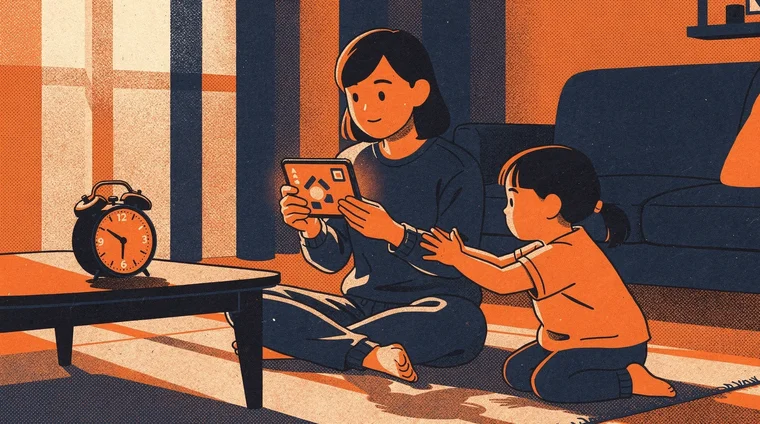
Children mirror adult behaviour. Parents who constantly check phones send a strong message regardless of the rules they set. Putting your own phone away during family time is one of the most effective interventions.
Focus on replacement activities
Reducing screen time works best when replaced by engaging alternatives — outdoor play, reading, sport, creative activities. Boredom tolerance is a developmental skill worth cultivating. The goal is not to eliminate screens but to ensure they do not crowd out activities essential for development.

Frequently asked questions
- How much screen time is too much for a child?
- Guidelines suggest under 1 hour per day for ages 2–5, and reasonable limits for school-age children — with breaks, movement, and sleep unaffected. But quality and context matter more than totals. Educational, interactive, and co-viewed content is less harmful than passive solo consumption of fast-paced entertainment.
- Does screen time cause ADHD or attention problems?
- Research shows associations between high screen time and attention difficulties, but causation is unclear. Children with attention difficulties may be more drawn to screens. Some studies suggest fast-paced media may reduce sustained attention tolerance over time, but this is an active area of research with no definitive consensus.
- Is educational screen time different from entertainment?
- Yes, meaningfully. Interactive educational apps, video calls, and co-viewed programs show neutral or positive effects. Passive entertainment — especially fast-paced video content — shows more negative associations. Age-appropriate, interactive, educational use is categorically different from unstructured social media or gaming.
- At what age should children have their own phone?
- There is no universal answer. Research on smartphone ownership links early introduction to higher social media use and associated risks. Many experts suggest delaying smartphones until secondary school and using simpler devices for communication before then. Family context, maturity, and purpose all affect the right decision.