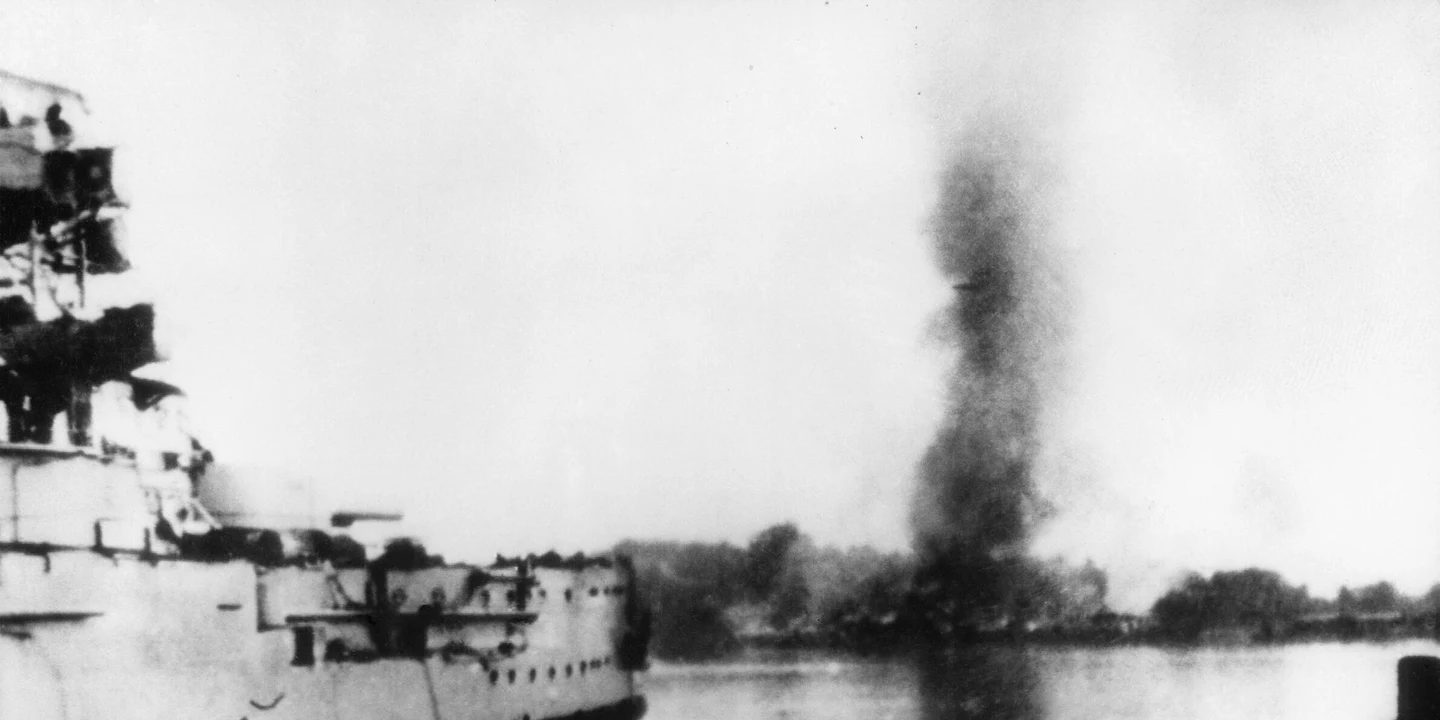
The Legacy of World War 1
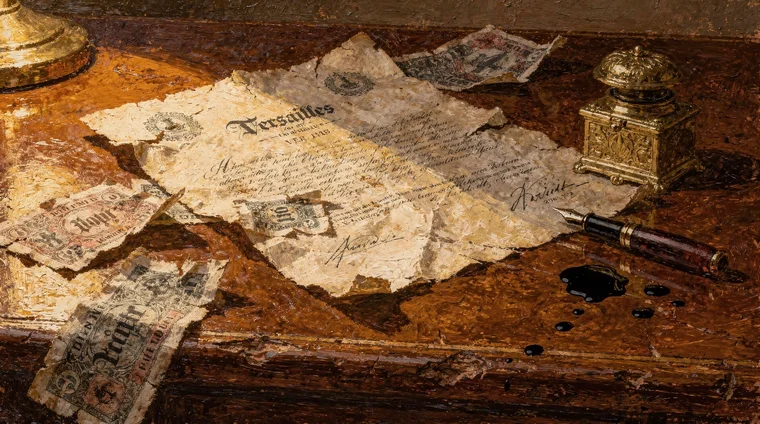
The causes of World War 2 begin with the end of the previous one. In 1919, the victorious Allied powers signed the Treaty of Versailles with Germany. The treaty humiliated Germany: it stripped territory, limited the army to 100,000 soldiers, and imposed enormous financial reparations.
Germans felt betrayed. The economy suffered. Inflation wiped out savings. Unemployment soared during the Great Depression of the 1930s. This suffering created fertile ground for extreme political movements promising national renewal and revenge.
The rise of fascism
Fascism promised strong leadership, national greatness, and scapegoats to blame for hardship. Benito Mussolini took power in Italy in 1922. Adolf Hitler, appointed Chancellor of Germany in 1933, rapidly dismantled democracy and built a one-party state. Both regimes pursued aggressive foreign policies. Japan, under militarist leadership, had already invaded Manchuria in 1931.
Appeasement and the Road to War
Britain and France were exhausted from the First World War and desperate to avoid another. They pursued a policy called appeasement — making concessions to Hitler's demands in the hope of satisfying him.
Hitler remilitarised the Rhineland in 1936, in violation of Versailles. Britain and France protested but did nothing. In 1938, Germany annexed Austria. Then Hitler demanded the Sudetenland — a German-speaking region of Czechoslovakia.
Munich, 1938
Britain and France met Hitler at Munich in September 1938. They agreed to hand over the Sudetenland without consulting Czechoslovakia. British Prime Minister Neville Chamberlain returned home claiming he had secured 'peace for our time'.
Six months later, Hitler occupied the rest of Czechoslovakia. Appeasement had failed. When Germany invaded Poland on 1 September 1939, Britain and France declared war. The causes of World War 1 had never fully been resolved.
Why the War Spread Across the World
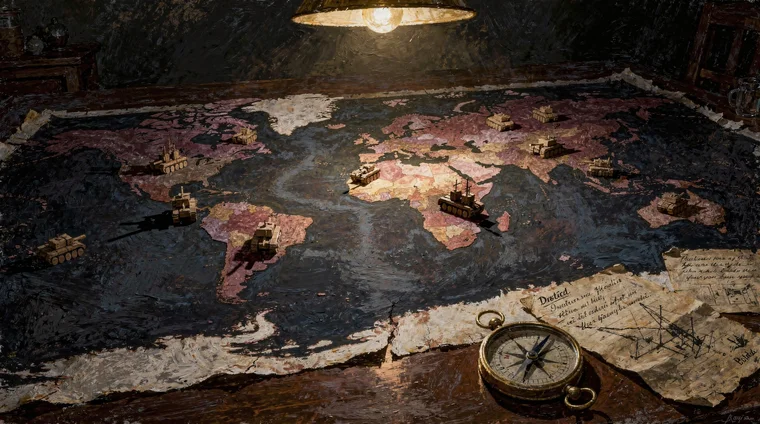
The conflict began in Europe but quickly became global. Germany conquered France in six weeks in 1940. It invaded the Soviet Union in 1941, opening a front of unprecedented scale and violence.
Japan and the Pacific
Japan had been expanding across Asia and the Pacific throughout the 1930s. On 7 December 1941, Japan attacked the US naval base at Pearl Harbor, Hawaii. The United States entered the war the next day. What had been a European conflict became a truly global one.
The Holocaust
The Nazi regime pursued the systematic murder of Jews and other persecuted groups across occupied Europe. Six million Jews were killed. This genocide — the Holocaust — stands as one of the worst crimes in human history and remains central to why the causes of World War 2 are still studied today.
Why understanding matters
Studying the causes of this conflict shows how democracies can be vulnerable. Economic hardship, propaganda, and weak international responses all allowed extremism to grow. The United Nations was founded after the war to create structures that might prevent such a catastrophe from happening again.
Frequently asked questions
- Was World War 2 inevitable after World War 1?
- Not inevitable, but the unresolved resentments from World War 1 made conflict more likely. Many historians argue different choices — a less punitive peace treaty, earlier resistance to Hitler, stronger international institutions — could have prevented it. History rarely has a single cause, and human decisions always matter at critical moments.
- Why did appeasement fail?
- Appeasement assumed Hitler had limited, rational goals that could be satisfied. He did not. Each concession encouraged further demands. By the time Britain and France realised that Hitler could not be appeased, Germany had already annexed Austria and Czechoslovakia and had the military strength to fight a major war.
- When did World War 2 officially begin?
- Britain and France declared war on Germany on 3 September 1939, two days after Germany invaded Poland on 1 September 1939. This is usually taken as the start of the war in Europe. Japan had been fighting in Asia since 1937, and the United States entered in December 1941 after the attack on Pearl Harbor.
- How was World War 2 different from World War 1?
- World War 2 was far more mobile, with rapid tank advances replacing the trenches of the First World War. It killed more civilians than soldiers, largely due to aerial bombing and the Holocaust. It was also more truly global — fought across Europe, Africa, Asia, and the Pacific — and ended with nuclear weapons.