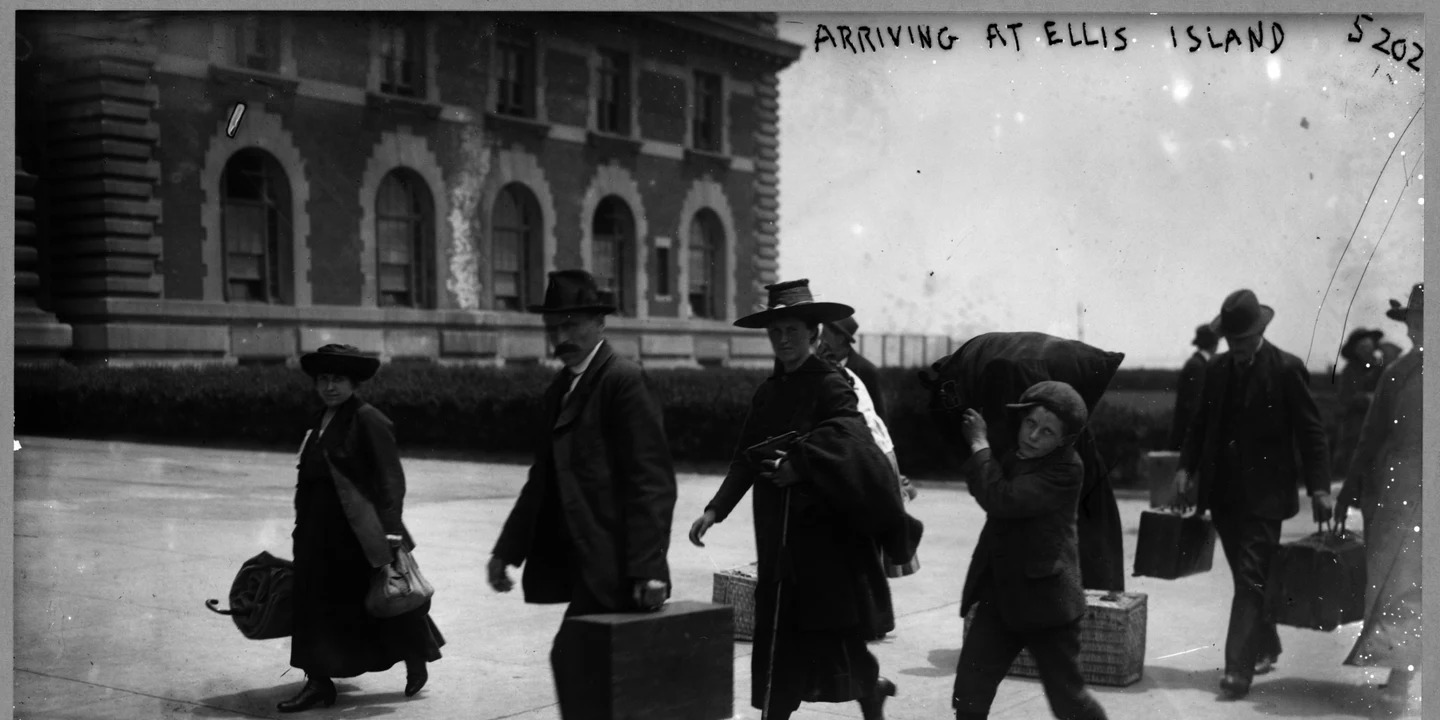
Types of Migration
Human movement takes many different forms, distinguished by motivation, destination, and legal status.
Voluntary migration
Voluntary migration occurs when people choose to move for better economic opportunities, education, family reunification, or quality of life. Economic migrants leave countries with limited prospects for those offering higher wages and better living standards. This is the most common form of migration globally.
Refugees and forced displacement
Forced displacement occurs when people flee persecution, war, violence, or disaster. The United Nations defines a refugee as someone who has fled their country due to a well-founded fear of persecution based on race, religion, nationality, politics, or membership of a particular group. As of 2024, over 100 million people were forcibly displaced worldwide — the highest number on record.
Movement within countries
Migration does not only cross international borders. Rural-to-urban migration — people moving from countryside to city — is one of the largest demographic shifts of the 20th and 21st centuries. China's internal migration of over 300 million people to its coastal cities is among the largest in history.
Climate-driven displacement
Climate change is driving a new form of migration as rising sea levels, desertification, and extreme weather make regions uninhabitable. Researchers project hundreds of millions of climate migrants by 2050. This emerging category challenges existing legal frameworks built around political persecution.

What Drives Migration
Researchers use 'push and pull' factors to explain why migration happens.
Push factors
Push factors drive people away from their origin country: poverty, conflict, persecution, unemployment, lack of healthcare or education, environmental degradation, and political repression. These conditions make staying untenable or dangerous.
Pull factors
Pull factors attract people to destination countries: higher wages, political stability, safety, family connections, language familiarity, and better public services. Many migrants head to specific countries because relatives already there provide networks, housing, and employment connections.
The role of inequality
Global inequality — the vast gap in living standards between the world's richest and poorest countries — is the fundamental driver of migration. Much of this inequality has roots in colonial history, which structured the global economy to the advantage of European powers. Colonialism and globalisation both shape the conditions that produce migration.

Migration and Society
Migration transforms both origin and destination societies in complex ways.
Economic effects
Migrants typically fill labour market gaps — in healthcare, agriculture, construction, and technology. Research consistently shows that migration increases GDP in destination countries. Origin countries benefit from remittances — money sent home by migrants — which exceed foreign aid flows globally. However, skilled migration can deplete origin countries of trained professionals.
Social and cultural change
Migration creates culturally diverse societies. Cultural exchange through food, music, language, and religion enriches receiving societies. It also creates tensions, particularly when migration happens rapidly or is perceived as threatening existing cultural identity.
The political debate
Migration is among the most contested political issues in wealthy countries. Debates involve genuine trade-offs between economic benefits, cultural cohesion, border sovereignty, and the rights of migrants. Distinguishing between different types of migration — skilled workers, refugees, and undocumented migrants — is essential for understanding what is actually being debated.
Frequently asked questions
- What is the difference between a migrant, a refugee, and an asylum seeker?
- A migrant moves voluntarily for economic or personal reasons. A refugee has fled persecution and has been granted protected status under international law. An asylum seeker has applied for refugee status but is awaiting a decision. All three categories face different legal rights and political responses in destination countries.
- How many people migrate internationally each year?
- Around 280 million people — about 3.6% of the world's population — currently live outside their country of birth. Migration flows vary year to year with conflicts, economic cycles, and policy changes. The UN estimates about 10–15 million people cross international borders as new migrants annually.
- Is migration good or bad for destination countries?
- Evidence shows migration generally benefits destination economies through labour supply, tax contributions, and entrepreneurship. Effects on wages for low-skilled native workers are small in most studies. Cultural and social effects are harder to measure and generate more political controversy than economic data.
- What are the rights of migrants under international law?
- All migrants, regardless of legal status, have basic human rights under international law — including freedom from torture and right to life. Refugees have additional protections under the 1951 Refugee Convention. But enforcement varies enormously. Many migrants in irregular situations face detention and deportation with limited legal recourse.