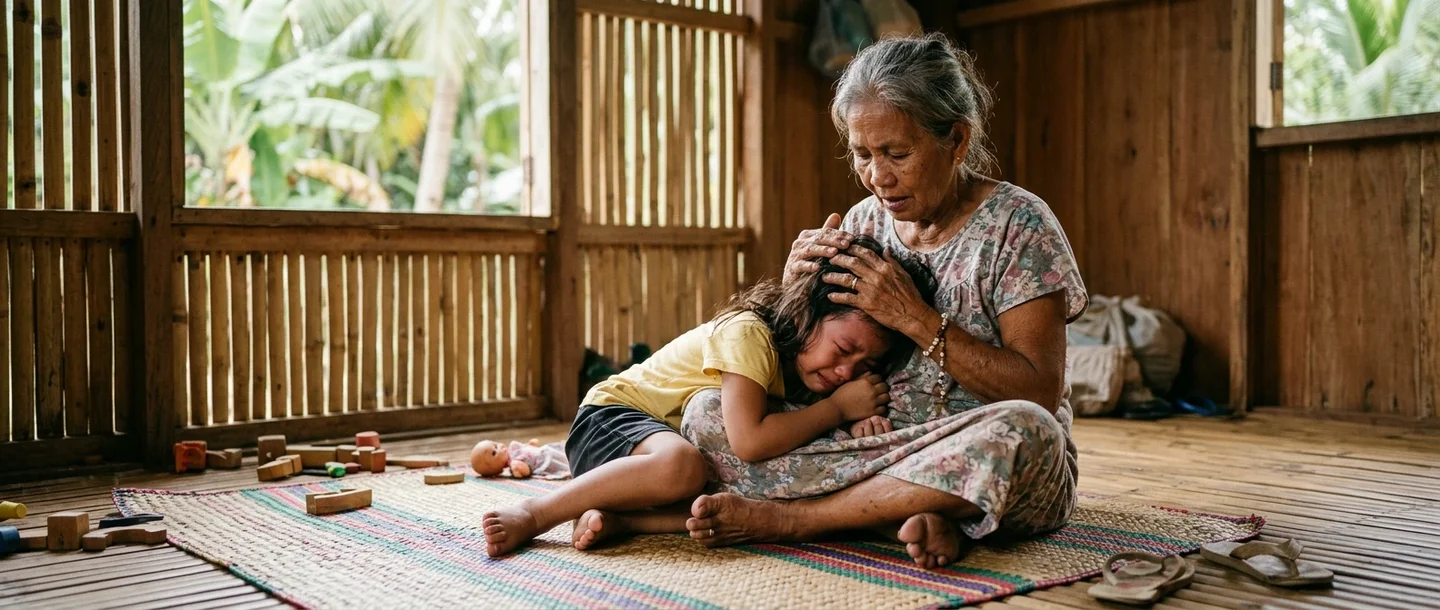
What is empathy — and how it differs from sympathy
Empathy means trying to understand how someone else feels — even if you have never felt the same way yourself. It is like imagining you are standing in their shoes. When a friend is upset, empathy helps you notice their feelings and respond with kindness.
Empathy vs sympathy
Empathy is often confused with sympathy, but they are meaningfully different. Sympathy means feeling sorry for someone. Empathy means actually trying to understand their experience from their own point of view. For example, if a friend fails an exam, sympathy says: that is a shame. Empathy says: that must feel really disappointing — especially after all the work you put in. Consequently, empathy feels more connecting and supportive than sympathy.
Why empathy strengthens relationships
Practising empathy makes relationships stronger and helps people feel less alone. Research consistently shows that children with strong empathy skills have better friendships, resolve conflicts more effectively, and experience greater wellbeing. The PSHE Association identifies empathy as a core skill for healthy relationships and positive mental health in young people.
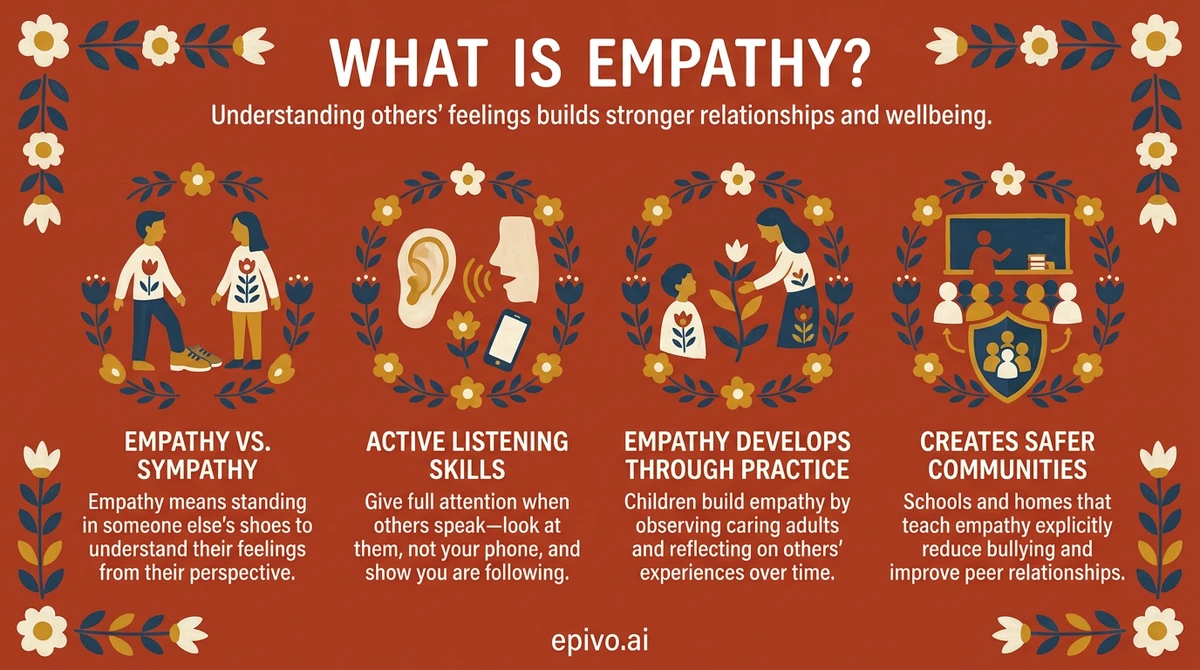
Active listening — the key skill behind empathy
Active listening is the practical skill that makes this quality possible. It means giving someone your full attention when they speak. Look at them rather than at your phone. Nod to show you are following, and do not interrupt or rush to offer advice.
What active listening looks like
When a person finishes speaking, a good response starts by reflecting back what you heard: so it sounds like you felt left out — is that right? This shows that you listened and understood before offering any opinion. In contrast, jumping straight to advice — have you tried talking to them? — often makes the other person feel unheard.
Empathy and conflict resolution
Nelson Mandela — who spent his life resolving enormous conflicts — captured the idea precisely: if you talk to a man in a language he understands, that goes to his head. If you talk to him in his language, that goes to his heart. His words, from the Nelson Mandela Foundation, remind us that real conflict resolution means genuinely trying to understand another person's perspective — not just persuading them to agree with yours.
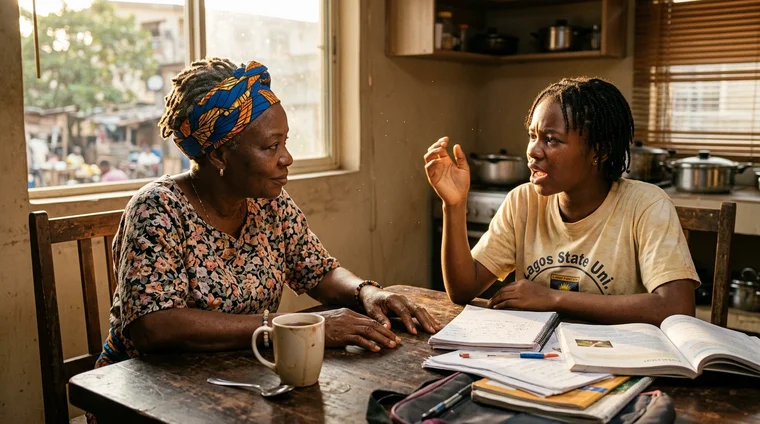
Image: Generated with AI (Epivo)
How children develop empathy — and how adults can help
Empathy is not a fixed trait that some children have and others do not. It develops through practice, guided reflection, and observing empathetic behaviour in the adults around them.
For younger children, the most effective approach is naming feelings — both your own and theirs. When you say that sounds like it made you angry, you help a child build the emotional vocabulary they need to understand others. For older students, perspective-taking exercises work well: asking them to describe a situation from another person's point of view, or to write about an event as if they were someone else involved.
Epivo's wellbeing curriculum includes empathy and healthy relationships as core learning goals from Grade 4, helping students practise perspective-taking and active listening in structured sessions with an AI tutor.
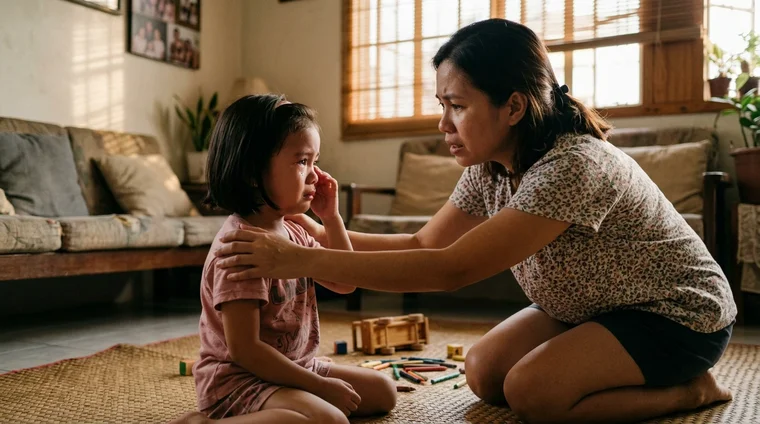
Image: Generated with AI (Epivo)
Did you know?
-
Empathy means actually trying to understand another person's experience from their point of view — not just feeling sorry for them. This distinction is what makes empathy so much more powerful in relationships.
PSHE Association: Programme of Study for PSHE Education -
Nelson Mandela said: 'If you talk to a man in a language he understands, that goes to his head. If you talk to him in his language, that goes to his heart.' He spent his life resolving conflict through empathy and genuine listening.
Nelson Mandela Foundation: Biography
Empathy in the classroom and at home
Empathy is not just a personal virtue — it is a social skill that shapes the whole atmosphere of a classroom or a home. Schools that teach empathy explicitly see lower rates of bullying and better peer relationships. Families where empathy is modelled and valued tend to have more open communication and fewer lasting conflicts.
For parents, the simplest practice is to be curious rather than reactive when your child describes a social problem. Instead of asking who was wrong, ask: how do you think the other person was feeling? This question alone shifts your child's perspective from self-defence to genuine understanding.
For students, Epivo's wellbeing programme teaches empathy as a practical skill — not an abstract value — through real conversations with an AI tutor that models attentive listening in every session.
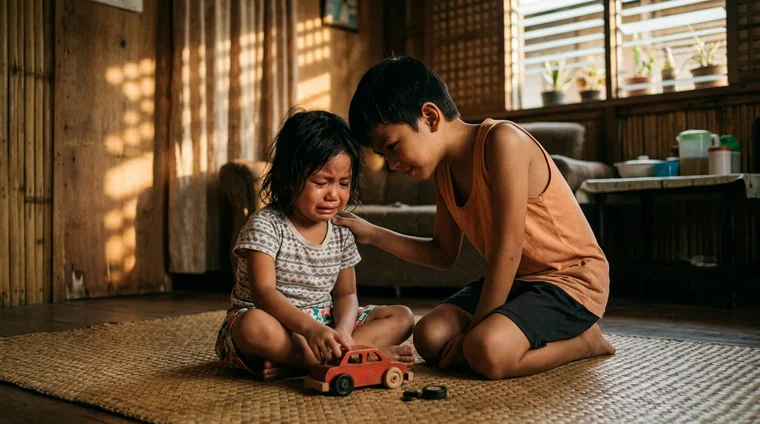
Image: Generated with AI (Epivo)
Frequently asked questions
- What is empathy in simple words?
- Empathy is the ability to understand how another person feels — not just what happened to them, but how it felt from their perspective. It involves imagining yourself in someone else's situation. Empathy helps people feel understood and supported, which is why it is the foundation of strong, healthy relationships.
- What is the difference between empathy and sympathy?
- Sympathy means feeling sorry for someone — recognising their difficulty from the outside. Empathy means stepping inside their experience and trying to understand how it feels from their point of view. Sympathy says: that is a shame. Empathy says: I can imagine how that must feel. Empathy is more connecting and more supportive.
- How can children learn empathy?
- Children develop empathy through naming feelings, perspective-taking exercises, active listening practice, and observing empathetic adults. Parents can help by encouraging children to describe how others might have felt in a situation, and by modelling empathy in their own conversations — especially when there is a conflict.
- Why is empathy important for children?
- Children with strong empathy skills have better friendships, handle conflict more effectively, and experience greater wellbeing. Empathy also protects against bullying — both as a victim and a perpetrator. Schools and curricula that teach empathy explicitly see measurable improvements in classroom relationships and peer support.
- Can empathy be taught at school?
- Yes. Research shows that structured empathy education — through role play, perspective-taking, and reflective discussion — measurably improves empathetic behaviour in children. Epivo's wellbeing curriculum teaches empathy from Grade 4, with active listening and conflict resolution as core learning goals.