The MAIN causes of World War 1
What caused World War 1 is one of history's most studied questions. Historians use the acronym MAIN to identify four underlying factors: Militarism, Alliances, Imperialism, and Nationalism. Each factor caused tensions to build over decades before the war finally ignited in 1914.
Militarism
In the decades before 1914, European powers dramatically increased the size of their armies and navies. Germany and Britain competed to build ever-larger battleships. France, Germany, and Russia all expanded conscription. This arms race created a climate in which war seemed not just possible but almost inevitable — and in which military leaders had enormous influence over political decisions.
Alliances
By 1914, Europe was divided into two armed camps. The Triple Alliance linked Germany, Austria-Hungary, and Italy. The Triple Entente connected France, Russia, and Britain. These alliances meant that any conflict between two countries could rapidly pull in all the others — a chain reaction that is exactly what happened in 1914.
Imperialism
European powers competed fiercely for colonies in Africa, Asia, and the Middle East. This competition created tension and resentment, particularly between Germany — which had industrialised rapidly but acquired fewer colonies than Britain or France — and the established powers.
Nationalism
Finally, nationalism — the belief that people sharing a language and culture should form their own state — created instability across Europe. In the Austro-Hungarian Empire, Slavic peoples demanded independence. Serbia wanted to unite all South Slavic people under one flag. This ambition put it on a direct collision course with Austria-Hungary.
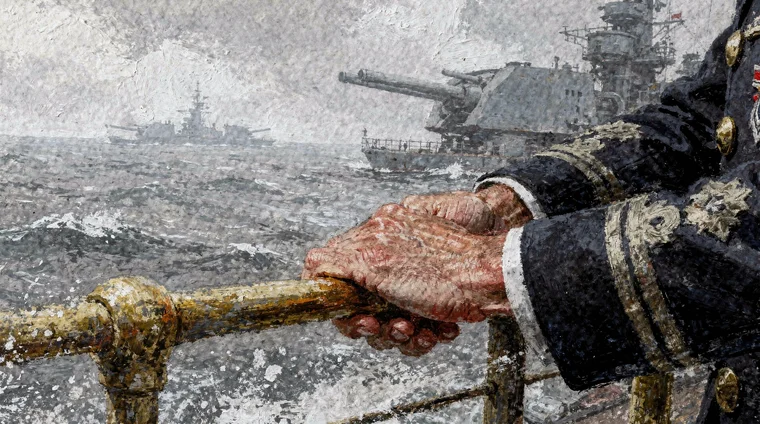
Image: Generated with AI (Epivo)
The assassination that triggered the war
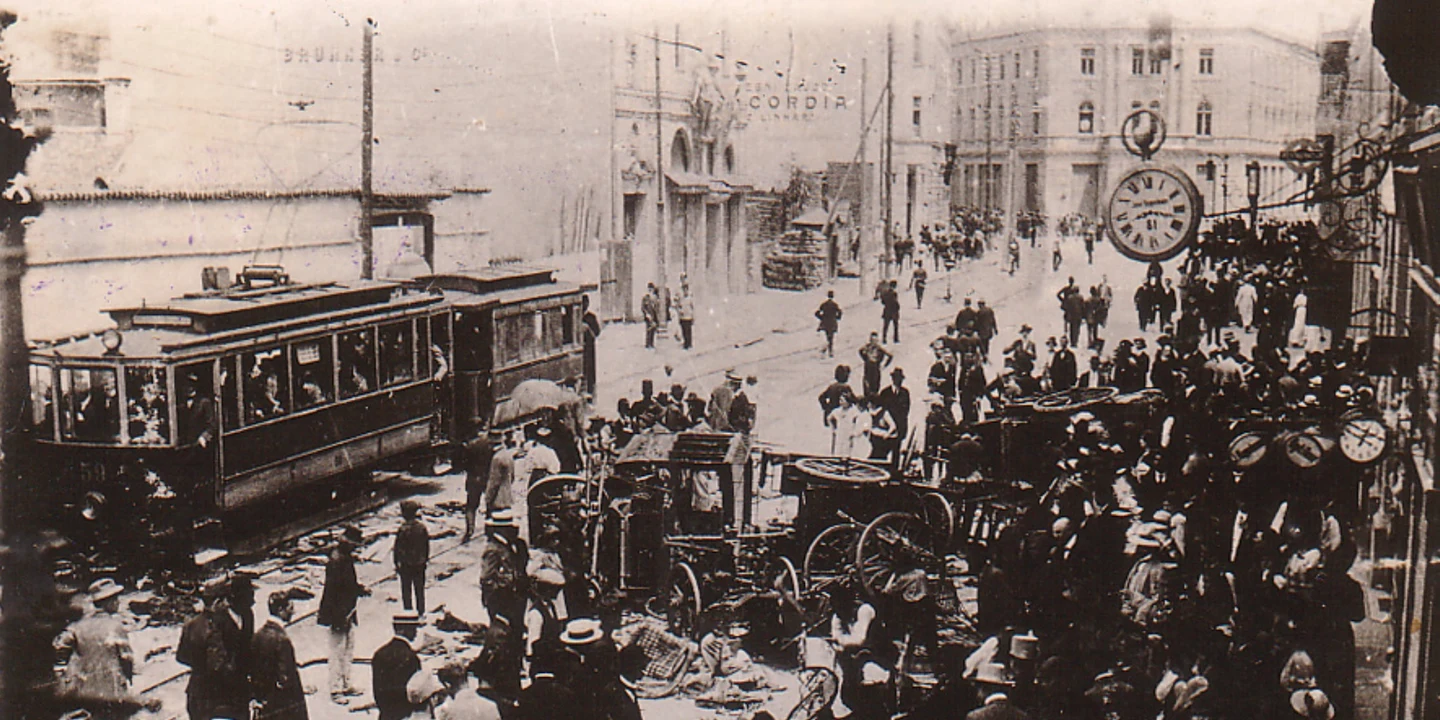
On 28 June 1914, Archduke Franz Ferdinand — heir to the Austro-Hungarian throne — was assassinated in Sarajevo by Gavrilo Princip, a Bosnian Serb nationalist. The killing was intended to strike a blow for South Slavic independence from Austro-Hungarian rule.
Austria-Hungary blamed Serbia for the attack and issued a harsh ultimatum. Serbia accepted most of its demands but not all. Austria-Hungary declared war on Serbia on 28 July 1914. Within days, the alliance system activated like a row of falling dominoes: Russia mobilised to defend Serbia; Germany declared war on Russia; France entered the war against Germany; Germany invaded neutral Belgium to reach France; Britain declared war on Germany in response.
In just six weeks, what began as a political assassination in a small Balkan city had caused a conflict involving all the major powers of Europe. The alliance system — one of the key factors that caused World War 1 — had worked exactly as feared. According to the Imperial War Museum, the war quickly spread beyond Europe to involve troops from Africa, Asia, Australia, and the Americas — making it truly the first world war.
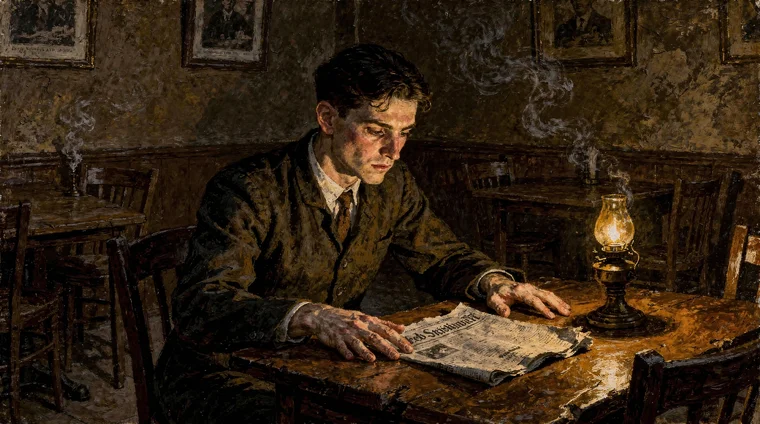
Image: Generated with AI (Epivo)
War in the trenches
Military leaders on both sides expected the war to be short. However, the Western Front quickly became a stalemate. Both sides dug hundreds of kilometres of trenches stretching from the English Channel to Switzerland. Soldiers lived in these muddy, rat-infested ditches for months at a time, facing constant bombardment.
New technology made this war especially deadly. Machine guns, artillery, poison gas, tanks, and aircraft were all deployed on a large scale for the first time. The Battle of the Somme in 1916 resulted in over one million casualties in five months — one of the bloodiest battles in history.
The scale of destruction shocked a generation. Poets such as Wilfred Owen documented the horror of trench warfare in verses still studied in schools today. His poem Dulce et Decorum Est challenged the idea that dying in war was glorious, a direct response to the propaganda that had encouraged millions of young men to enlist.
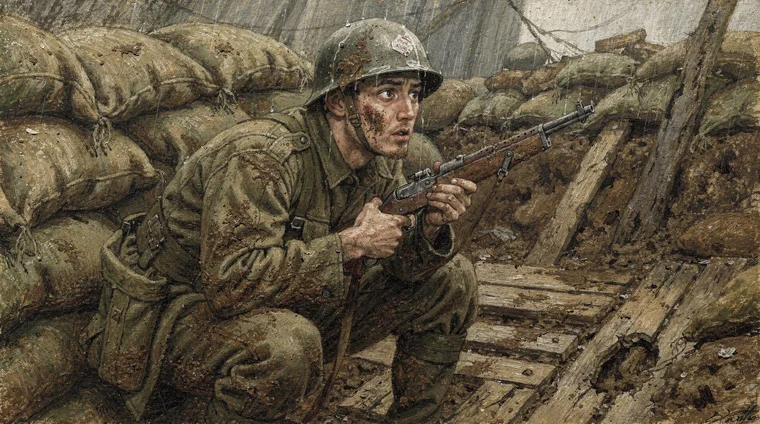
Image: Generated with AI (Epivo)
Did you know?
-
World War 1 resulted in approximately 20 million deaths, including both military and civilian casualties, making it one of the deadliest conflicts in history.
Imperial War Museum — What Was the First World War? -
The Western Front stretched approximately 700 kilometres from the North Sea to the Swiss border, and soldiers on both sides lived in trenches for up to four years.
BBC History — World War One -
The Treaty of Versailles, which ended World War 1 in 1919, imposed harsh penalties on Germany that many historians argue contributed directly to the rise of Adolf Hitler and World War 2.
Imperial War Museum — What Was the First World War?
The aftermath and why World War 1 still matters
World War 1 ended on 11 November 1918 when Germany signed an armistice. The Treaty of Versailles (1919) officially ended the war, redrawing the map of Europe and dismantling the German, Austro-Hungarian, Ottoman, and Russian empires.
The treaty imposed massive reparations on Germany and stripped it of territory. Many historians argue that the humiliation it caused created the economic and political conditions that enabled Adolf Hitler to rise to power — making World War 1 a direct cause of World War 2.
According to the BBC, World War 1 fundamentally changed the modern world: it accelerated the collapse of empires, advanced women's rights, promoted the use of technology in warfare, and prompted the creation of the League of Nations — the forerunner of the United Nations.
For students exploring this period through Epivo's International Curriculum, World War 1 connects to broader themes of nationalism, colonialism, and globalisation that continue to shape the world today. Understanding this conflict also develops the historical thinking skills that underpin all humanities study.
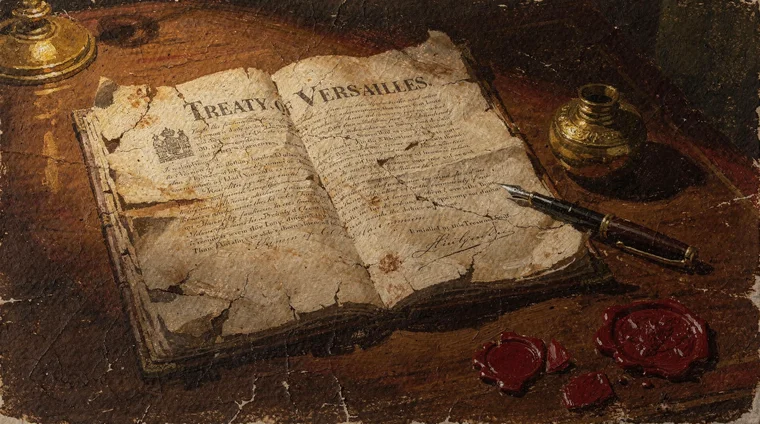
Image: Generated with AI (Epivo)
Frequently asked questions
- What were the main causes of World War 1?
- Historians use the acronym MAIN: Militarism (arms race), Alliances (two armed camps), Imperialism (competition for colonies), and Nationalism (desire for self-rule). The assassination of Archduke Franz Ferdinand in 1914 triggered the alliance system into action.
- Who started World War 1?
- No single country started World War 1. Austria-Hungary declared war on Serbia after the assassination of Archduke Franz Ferdinand. The alliance system then pulled in Russia, Germany, France, and Britain within days. All major powers share some responsibility.
- When did World War 1 start and end?
- World War 1 began on 28 July 1914, when Austria-Hungary declared war on Serbia. It ended on 11 November 1918, when Germany signed an armistice. The war officially concluded with the Treaty of Versailles on 28 June 1919.
- Why was World War 1 so deadly?
- World War 1 was deadly because of new technology — machine guns, artillery, poison gas, and tanks — combined with outdated tactics. Trench warfare created a stalemate that kept soldiers in combat for years. The Battle of the Somme alone caused over one million casualties.
- Did World War 1 cause World War 2?
- Many historians argue yes. The Treaty of Versailles imposed severe penalties on Germany, causing economic collapse and political instability. These conditions enabled the rise of Adolf Hitler and the Nazi Party, ultimately leading to World War 2 in 1939.