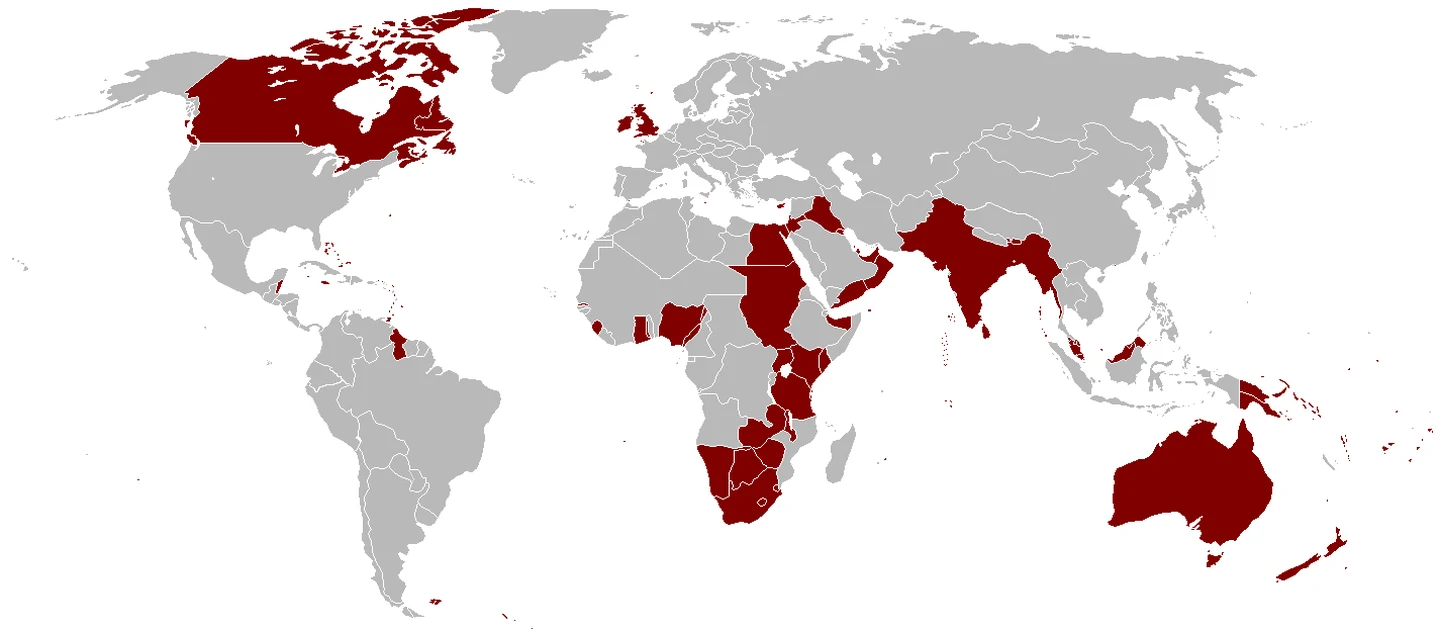
How Colonialism Worked
Colonial systems varied but shared common features: conquest, extraction, and control.
Conquest and settlement
European powers used military superiority — guns, ships, and organised armies — to conquer peoples in the Americas, Africa, Asia, and Oceania. Settlers arrived in some colonies, displacing or killing indigenous populations and taking their land. In other territories, European administrators ruled without large settler populations.
Economic extraction
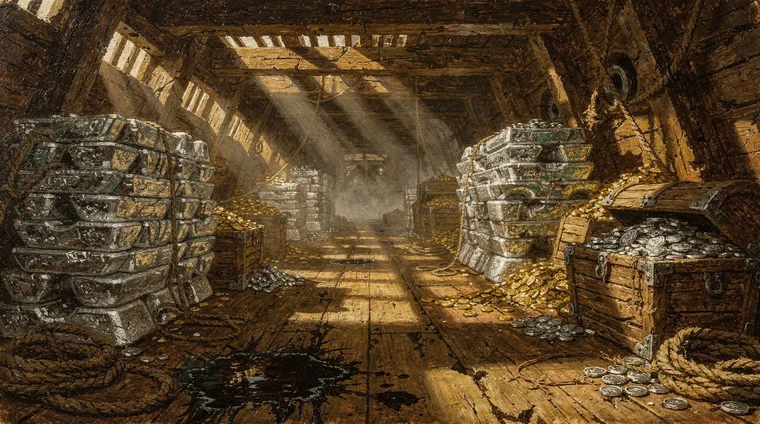
Colonies existed primarily to enrich the colonising power. Raw materials — cotton, rubber, sugar, minerals, spices — were extracted and shipped to Europe. Enslaved Africans were transported to the Americas to work on plantations. Local economies were restructured to serve colonial interests rather than local needs. Infrastructure — railways, ports — was built not to develop the colony but to move goods to ships.
Cultural imposition
Colonial powers suppressed indigenous languages, religions, and legal systems, replacing them with European ones. Missionary activity aimed to convert colonised peoples to Christianity. Education systems taught European history and values while delegitimising local cultures. These policies created lasting divisions and identity tensions that persist today. The history of ancient empires like Rome shows that empire and cultural imposition have ancient roots.
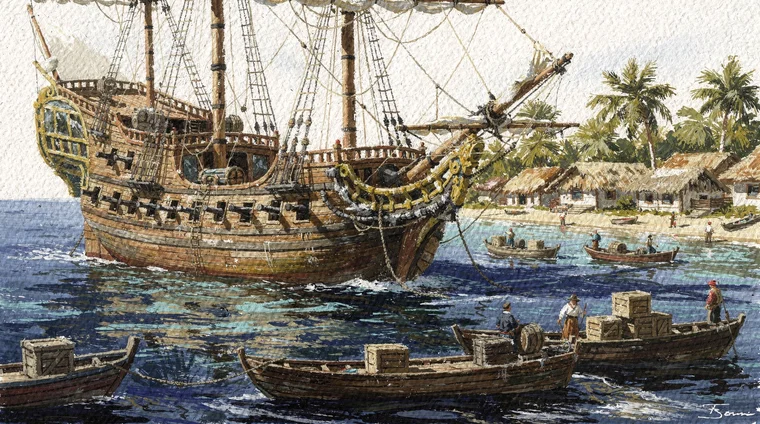
Colonial History: Key Examples
The scope of European empire-building across four centuries was enormous.
The Americas
Spanish and Portuguese conquest of the Americas from 1492 onwards brought catastrophic population collapse among indigenous peoples — through violence, enslavement, and, above all, disease. An estimated 90% of the pre-Columbian population died within a century. The transatlantic slave trade forcibly transported 12 million Africans to the Americas to replace indigenous labour.
Africa
By 1914, European powers controlled about 90% of Africa. The 'Scramble for Africa' (1880–1914) saw Britain, France, Belgium, Germany, Portugal, and Italy carve up the continent with little regard for existing ethnic, cultural, or political boundaries. The arbitrary borders drawn at the Berlin Conference (1884–85) still exist as national borders today — a major cause of ongoing conflicts.
South Asia
Britain's East India Company gradually took control of India over the 18th century, with the British Crown assuming direct rule after the 1857 uprising. Britain extracted enormous wealth from India while suppressing local industry. The partition of British India into India and Pakistan in 1947, drawn hastily by a British official, caused one of the largest mass migrations in history and violence that killed hundreds of thousands.
The End of Colonialism and Its Legacies
Most formal colonial empires ended in the two decades after World War 2, but their consequences have proved long-lasting.
Decolonisation
Weakened by two world wars, European powers could not sustain their empires against rising independence movements. India gained independence in 1947, followed by most of Africa in the 1950s and 1960s. Portugal held on until 1975. The process was often violent — France fought brutal wars in Vietnam and Algeria before withdrawing.
Economic legacies
Former colonies are disproportionately represented among the world's poorest countries. Colonial extraction restructured economies to serve European interests, leaving little industrial base at independence. Borders drawn without regard for existing communities created conflict-prone multi-ethnic states. Foreign debt and continued dependence on commodity exports reflect structural disadvantages created during the colonial period.
Cultural and psychological legacies
The legacies of colonialism extend into language, religion, legal systems, and self-perception. The concept of 'development' applied to formerly colonised countries often reflects assumptions rooted in colonial hierarchies. Contemporary debates about globalisation, immigration, and human rights are shaped by colonial histories in ways that are often unacknowledged.

Frequently asked questions
- What is the difference between colonialism and imperialism?
- Imperialism is the broader policy of extending power and influence over others — economically, politically, or militarily. Colonialism is a specific form involving direct territorial control and settlement. All colonialism is imperialism, but not all imperialism involves colonial settlement. Economic dominance over a formally independent state — neo-colonialism — is imperialism without colonial rule.
- Did colonialism benefit the colonised countries?
- Colonial powers sometimes claimed they were bringing civilisation, education, and development to colonised peoples. In reality, the evidence overwhelmingly shows that colonial rule extracted wealth, suppressed local development, imposed alien systems of governance, and caused enormous human suffering. Some infrastructure was built, but primarily to serve extraction. The long-term economic and social damage far outweighed any limited infrastructure benefit.
- Is colonialism over?
- Formal colonial rule largely ended by the 1970s. But structural inequalities persist. Neo-colonial relationships — wealthy countries exerting economic control over poorer ones through debt and trade terms — continue. Some territories remain under former colonial powers. The psychological, cultural, and economic effects of colonialism still shape former colonies today.
- Should countries apologise or pay reparations for colonialism?
- This is one of the most contested political questions of our time. Advocates argue measurable wealth was extracted and redress is owed. Opponents raise practical difficulties and question intergenerational responsibility. Germany paid Holocaust reparations to Israel. The UK, France, and others have issued partial acknowledgements but no formal reparations for colonial harm.