What caused the Cuban Missile Crisis?
The Cuban Missile Crisis grew out of escalating Cold War tensions between the United States and the Soviet Union. Several events in the early 1960s set the stage for the most dangerous moment of the nuclear age.
The Cuban Revolution and the Bay of Pigs
In 1959, Fidel Castro overthrew the US-backed dictator Fulgencio Batista and established a communist government in Cuba — just 145 kilometres from Florida. The United States viewed a Soviet ally so close to its borders as a direct threat. In April 1961, the CIA backed an invasion by Cuban exiles at the Bay of Pigs. However, the operation failed disastrously, humiliating the Kennedy administration and pushing Castro closer to the Soviet Union.
Soviet missiles arrive
Soviet Premier Nikita Khrushchev saw an opportunity. By placing nuclear missiles in Cuba, he could protect his ally and shift the strategic balance. The US already had Jupiter missiles stationed in Turkey and Italy, aimed at the Soviet Union. In response, Khrushchev wanted to give the Americans a taste of their own vulnerability. During the summer of 1962, the Soviets secretly shipped ballistic missiles to Cuba, along with thousands of military personnel. The broader tensions of the Cold War made this gamble especially dangerous.
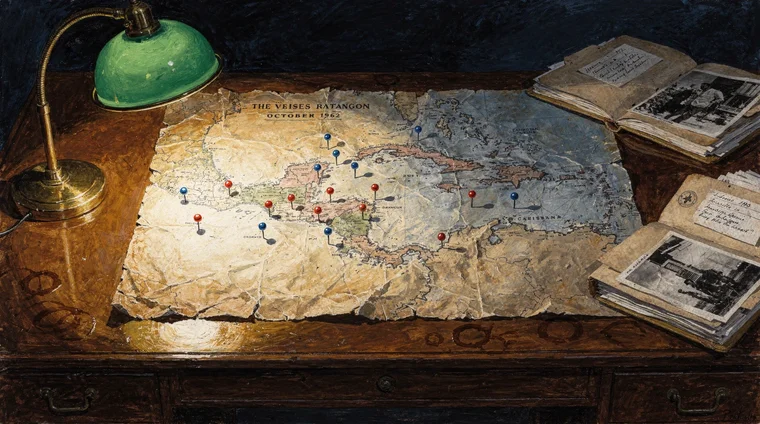
Image: Generated with AI (Epivo)
The 13 days that shook the world
On 14 October 1962, an American U-2 spy plane photographed missile launch sites under construction in Cuba. Two days later, President John F. Kennedy was briefed. The crisis had begun.
Kennedy's options
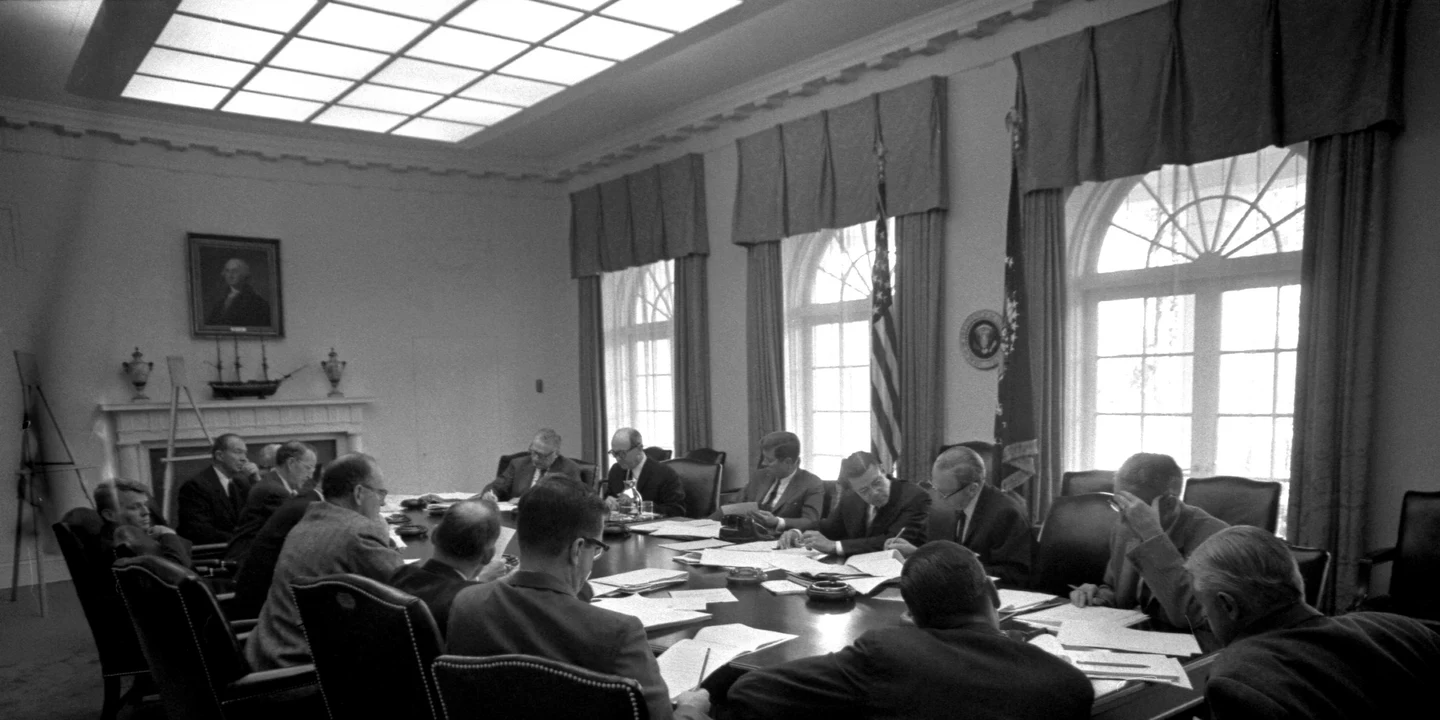
Kennedy formed a secret committee called the Executive Committee of the National Security Council (ExComm) to advise him. Military leaders pushed for air strikes and a full invasion of Cuba. However, Kennedy feared that attacking Cuba could trigger Soviet retaliation against West Berlin — or escalate into nuclear war. Instead, he chose a naval blockade. The administration called it a 'quarantine' to avoid the legal implications of a blockade, which is technically an act of war.
The world holds its breath
On 22 October, Kennedy addressed the nation on television, revealing the missiles and announcing the quarantine. Meanwhile, Soviet ships carrying more military equipment were heading toward Cuba. For several days, the world watched as the two nuclear superpowers stood on the brink. On 24 October, some Soviet ships turned back — but the missiles already in Cuba remained. The Berlin Wall, erected just a year earlier, was another flashpoint that could have ignited the conflict further.
According to the John F. Kennedy Presidential Library, at the height of the crisis both sides had nuclear forces on full alert, and a single miscalculation could have triggered devastation on an unimaginable scale.
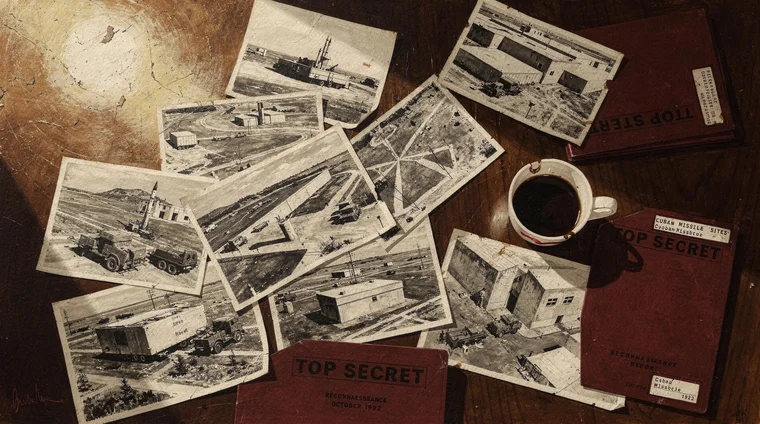
Image: Generated with AI (Epivo)
How the Cuban Missile Crisis was resolved
The resolution came through a combination of public demands and secret diplomacy. On 26 October, Khrushchev sent Kennedy a private letter proposing a deal. The Soviet Union would remove its missiles if the United States pledged never to invade Cuba.
The secret deal
The next day, a second, harsher letter arrived from Moscow, demanding the US also remove its Jupiter missiles from Turkey. Kennedy publicly accepted the first letter's terms — the non-invasion pledge. Meanwhile, his brother Robert Kennedy secretly assured the Soviet ambassador that the Jupiter missiles in Turkey would be removed within months. This compromise gave both leaders a way to step back without public humiliation.
On 28 October, Khrushchev announced that the Soviet missiles would be withdrawn from Cuba. The crisis was over. The entire confrontation had lasted 13 days, from 16 to 28 October 1962. As the National Archives documents show, the resolution depended on back-channel communications and mutual willingness to compromise.

Image: Generated with AI (Epivo)
Why the Cuban Missile Crisis still matters
The crisis had immediate consequences and lasting significance for international relations.
Immediate changes
In June 1963, the United States and Soviet Union established a direct communications link — the 'hotline' — between Washington and Moscow. This meant the two leaders could communicate quickly during future crises. Then in August 1963, both nations signed the Partial Nuclear Test Ban Treaty. Together, these agreements marked the beginning of arms control diplomacy.
Long-term legacy
In the longer term, the crisis demonstrated that nuclear brinkmanship was too dangerous. It contributed to a gradual shift toward détente — a period of reduced tensions in the 1970s. The crisis also showed the importance of diplomatic back channels and the willingness to compromise privately, even while posturing publicly.
For students today, the Cuban Missile Crisis remains a vital case study in crisis management and diplomacy. Above all, it illustrates how quickly events can spiral toward catastrophe. Yet it also shows how judgement, restraint, and communication can pull the world back from the edge.
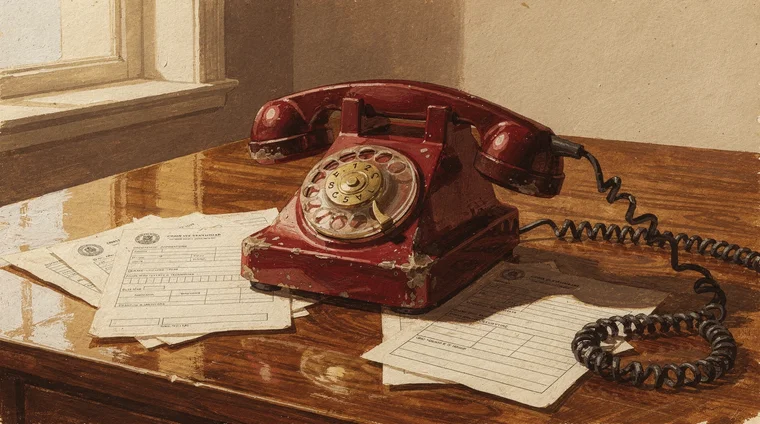
Image: Generated with AI (Epivo)
Did you know?
-
At the peak of the crisis, Soviet forces in Cuba had 162 nuclear warheads, including tactical nuclear weapons that local commanders could have used without direct orders from Moscow.
National Security Archive — The Cuban Missile Crisis, 1962 -
The US naval quarantine zone extended 500 nautical miles around Cuba, and the US military was placed at DEFCON 2 — the highest alert level ever reached — just one step below nuclear war.
John F. Kennedy Presidential Library — Cuban Missile Crisis -
A Soviet submarine officer, Vasili Arkhipov, refused to authorise a nuclear torpedo launch during the crisis — a decision many historians credit with preventing nuclear war.
National Security Archive — The Submarines of October
Frequently asked questions
- When did the Cuban Missile Crisis happen?
- The crisis lasted 13 days, from 16 October to 28 October 1962. It began when President Kennedy was shown U-2 spy plane photographs of Soviet missile sites in Cuba and ended when Khrushchev agreed to remove the missiles.
- Who were the key leaders during the Cuban Missile Crisis?
- The three main leaders were US President John F. Kennedy, Soviet Premier Nikita Khrushchev, and Cuban leader Fidel Castro. Robert Kennedy, the US Attorney General, also played a crucial role in back-channel negotiations with the Soviet ambassador.
- How close did the world come to nuclear war?
- Extremely close. US forces reached DEFCON 2 for the only time in history. Soviet submarine commanders nearly launched nuclear torpedoes. A single miscalculation by either side could have triggered a nuclear exchange affecting hundreds of millions of people.
- What did the US give up to end the crisis?
- The US publicly pledged not to invade Cuba. Secretly, the Kennedy administration also agreed to remove American Jupiter missiles from Turkey within several months. This secret concession was not publicly confirmed until years later.
- What changed after the Cuban Missile Crisis?
- The crisis led directly to the Moscow-Washington hotline (1963), the Partial Nuclear Test Ban Treaty (1963), and a gradual move toward arms control. It convinced both superpowers that nuclear brinkmanship was too dangerous to repeat.