Mathematics
Free maths articles for students grades 3–10: fractions, algebra, geometry, statistics, and more. Written for students, parents, and teachers.
17 articles
-
 Grades 5–9
What Are Averages? Mean, Median, and Mode Explained
What are averages? Discover mean, median, and mode — the three ways to measure average — and how they are used in statistics and everyday data.
Read article → -
 Grades 7–10
What Are Linear Equations? How to Solve Them and Use Them in Maths
What are linear equations? Discover how to solve them, plot them on a graph, and why they are a foundation of secondary school algebra and maths.
Read article → -
 Grades 5–8
How to Calculate Percentages — A Step-by-Step Guide
How to calculate percentages: three essential methods covering percentage of a number, expressing as a percentage, and percentage change.
Read article → -
 Grades 5–9
What Are Angles? Types, Measurement, and How Geometry Uses Them
What are angles? Discover the types of angles, how to measure them in degrees, and why they are fundamental to geometry, construction, and design.
Read article → -
 Grades 5–9
What Are Coordinates? How to Read and Plot Positions on a Grid
What are coordinates? Discover how the coordinate system works, how to plot points on a grid, and why coordinates are used in maps, games, and maths.
Read article → -
 Grades 4–6
What Are Decimals? How Decimal Numbers Work and Why They Matter
What are decimals? Discover how decimal numbers represent parts of whole numbers and why they appear in everyday maths, money, and science.
Read article → -
 Grades 3–5
What Are Fractions? A Simple Guide for Students and Parents
What are fractions? Learn how fractions represent parts of a whole, how to add and compare them, and why fractions appear in everyday maths.
Read article → -
 Grades 5–7
What Are Negative Numbers? How Numbers Below Zero Work in Maths and Life
What are negative numbers? Learn how numbers below zero work, how to add, subtract, and multiply them, and where they appear in everyday life.
Read article → -
 Grades 4–7
What Are Prime Numbers? Definition, Examples and Why They Matter
What are prime numbers? Learn the definition, find all primes using the Sieve of Eratosthenes, and see why prime numbers secure the internet.
Read article → -
 Grades 6–8
What Are Ratios? How to Compare Quantities and Use Them in Everyday Life
What are ratios? Learn how ratios compare quantities, how to simplify and scale them, and why they matter in cooking, maps, and problem-solving.
Read article → -
 Grades 6–9
What Is Algebra? A Clear Guide for Students and Parents
What is algebra? Learn how variables, expressions and equations work — and why algebra is the language of maths, science and everyday problem-solving.
Read article → -
 Grades 5–8
What Is Area and Perimeter? How to Measure Shapes in Maths
What is area and perimeter? Learn how to measure shapes — the space inside them (area) and the distance around them (perimeter) — with key formulas.
Read article → -
 Grades 5–9
What Is Geometry? Shapes, Angles, and the Maths Behind the World Around You
What is geometry? Explore the study of shapes, angles, and space — and how geometry underpins architecture, art, design, and problem-solving.
Read article → -
 Grades 6–9
What Is Probability? A Clear Guide for Students and Parents
What is probability? Learn how to measure chance from 0 to 1, calculate the probability of simple events, and why it matters in everyday life.
Read article → -
 Grades 7–10
What Is Pythagoras' Theorem? How a² + b² = c² Works in Maths
What is Pythagoras theorem? Learn how a² + b² = c² finds unknown sides in right-angled triangles and why it is one of maths' most useful tools.
Read article → -
 Grades 7–10
What Is Statistics? How to Collect, Analyse, and Interpret Data
What is statistics? Discover how data is collected, analysed, and used to draw conclusions — and why statistical thinking matters in everyday life.
Read article → -
 Grades 5–9
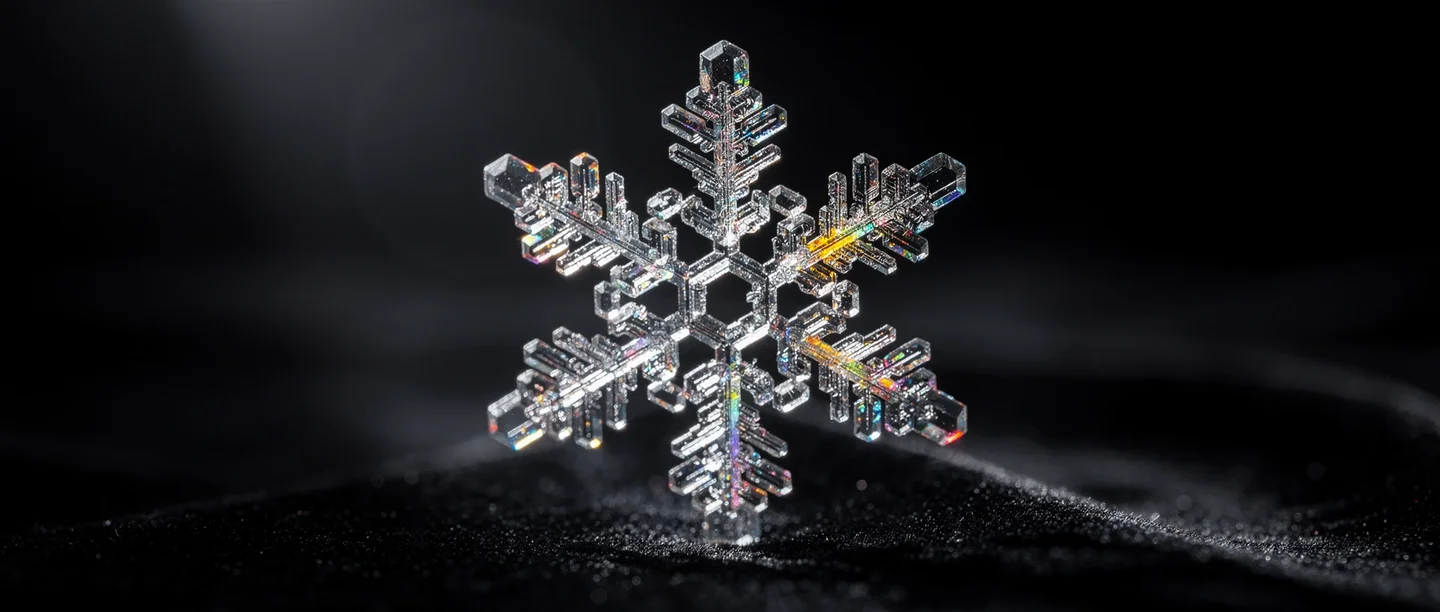
What Is Symmetry? How Shapes, Nature, and Art Use Symmetry
What is symmetry? Discover the types of symmetry in maths and nature, how to find lines of symmetry, and why it appears in art, biology, and design.
Read article →