Science
Free science articles for students grades 4–10: atoms, cells, evolution, electricity, the solar system, and more. Grounded in curated curricula.
23 articles
-
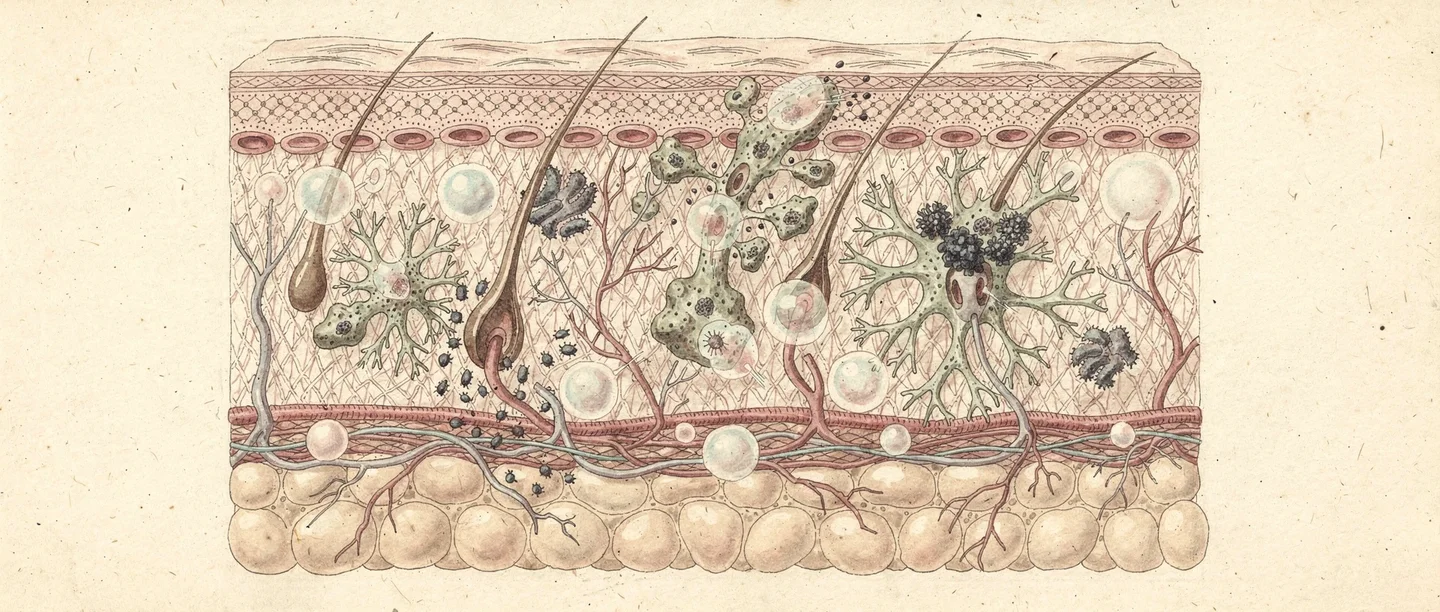
How does the immune system work?
How does the immune system work? Discover innate and adaptive defences protecting your body from infection, and why vaccines and allergies matter.
Read article → -
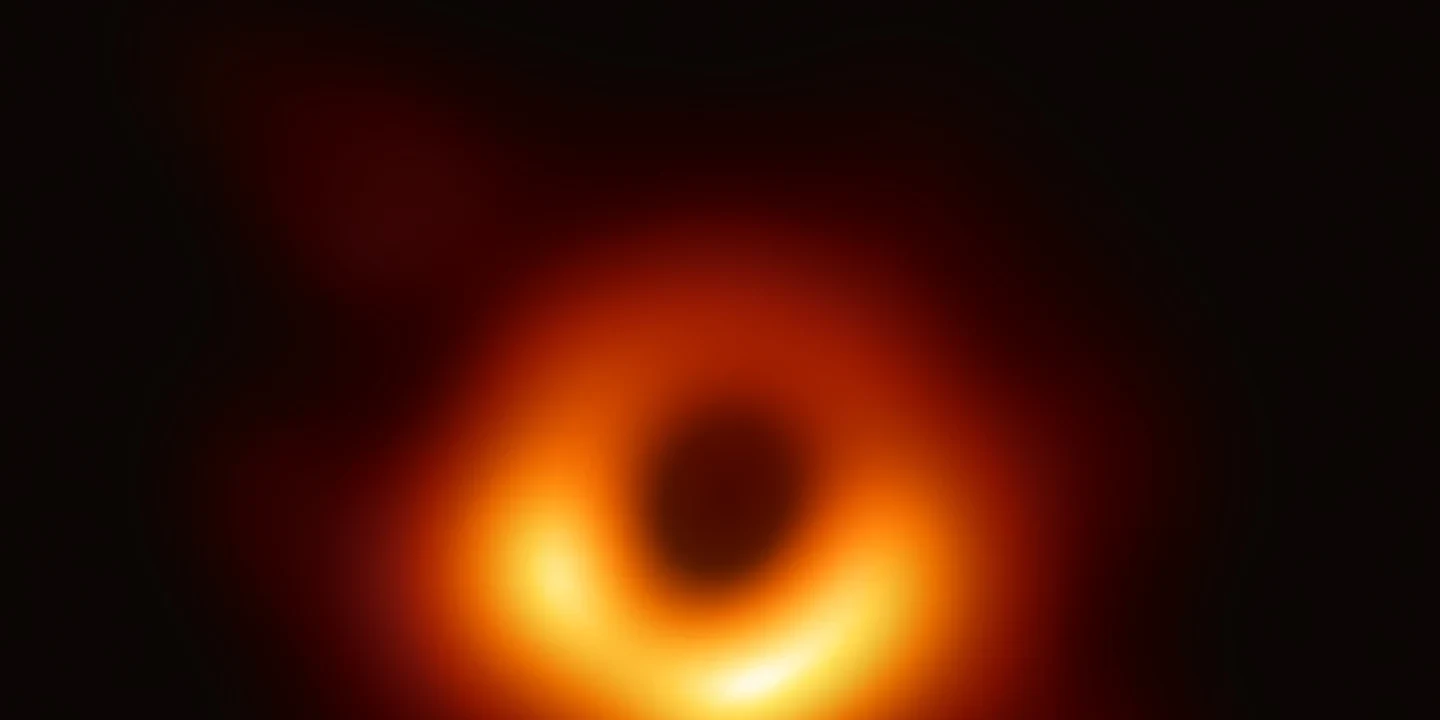
What is a black hole?
What is a black hole? Discover how dying stars collapse, why nothing escapes their gravity, and how scientists captured the first image.
Read article → -
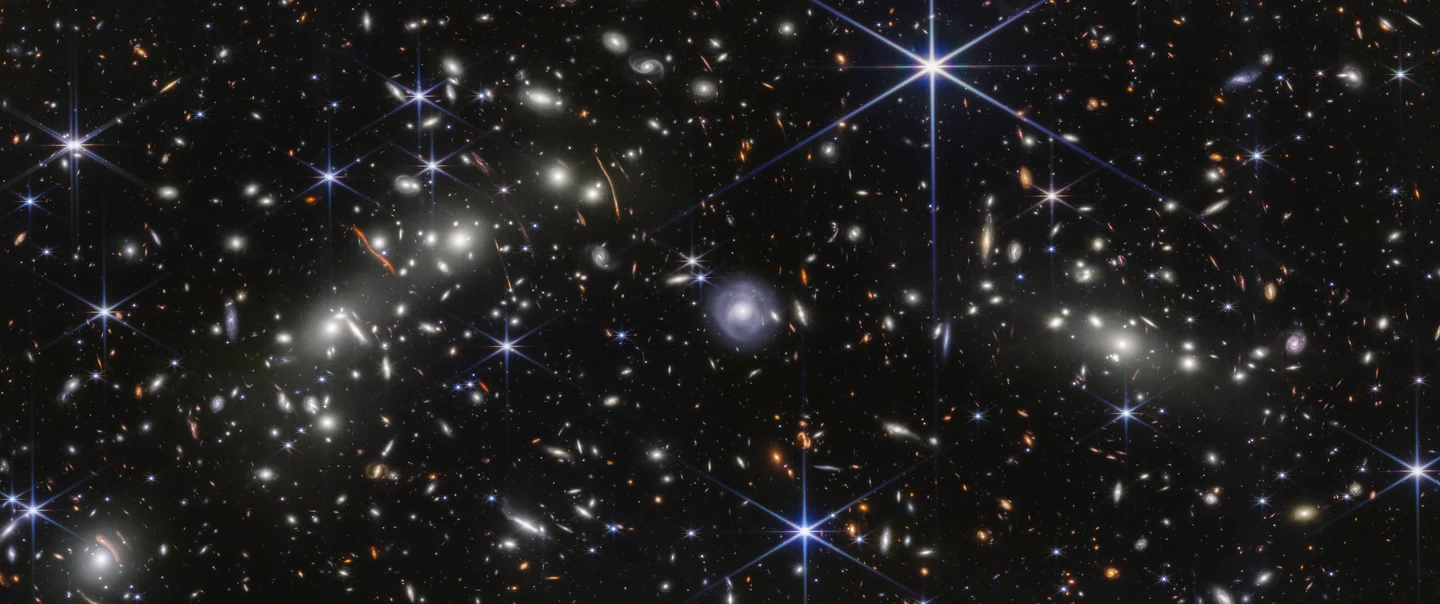
What is dark matter?
What is dark matter? Discover how invisible matter shapes galaxies, the evidence that reveals it, and why scientists are still searching for answers.
Read article → -
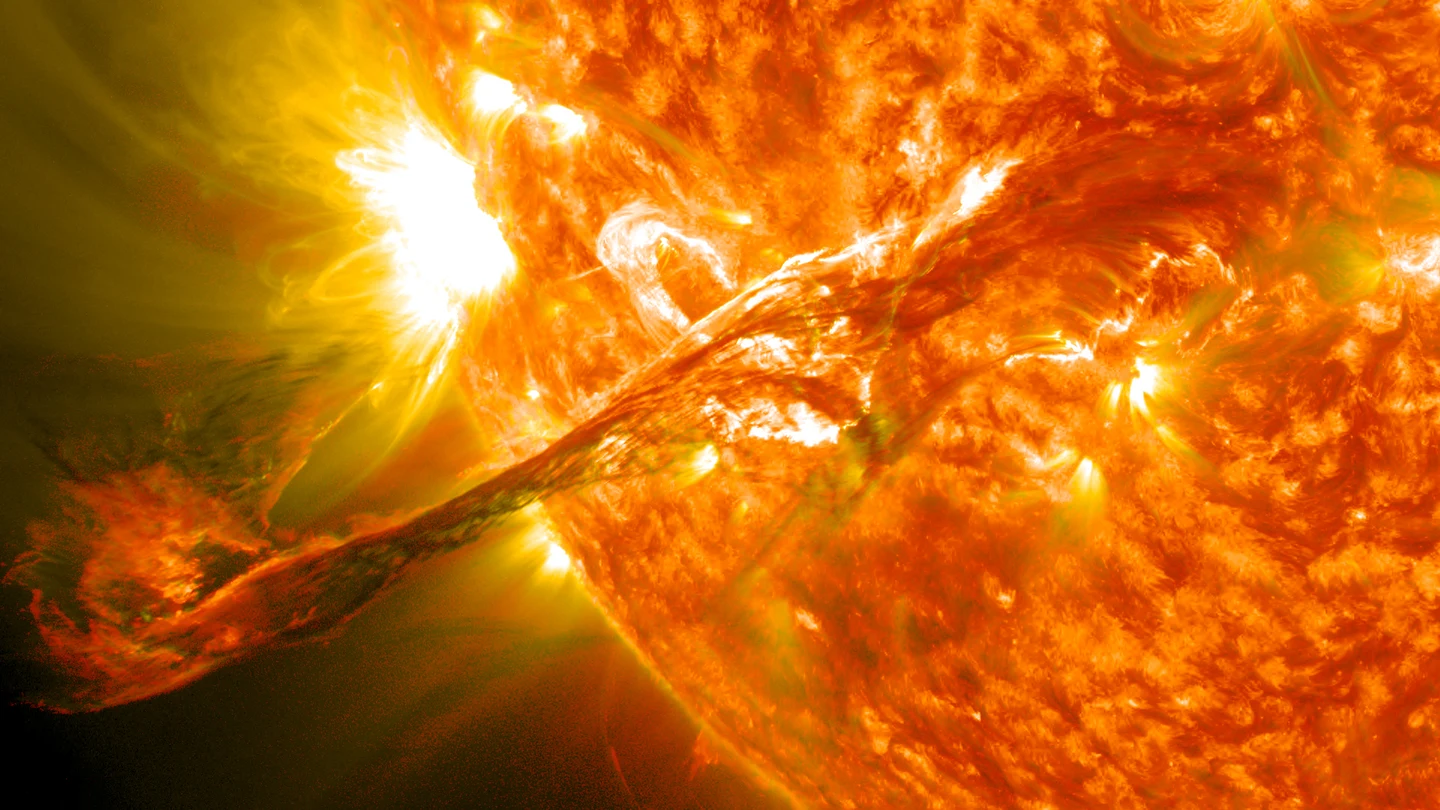
What is nuclear fusion?
What is nuclear fusion? Discover how stars fuse hydrogen into helium, how it creates every element, and why scientists are building artificial suns.
Read article → -
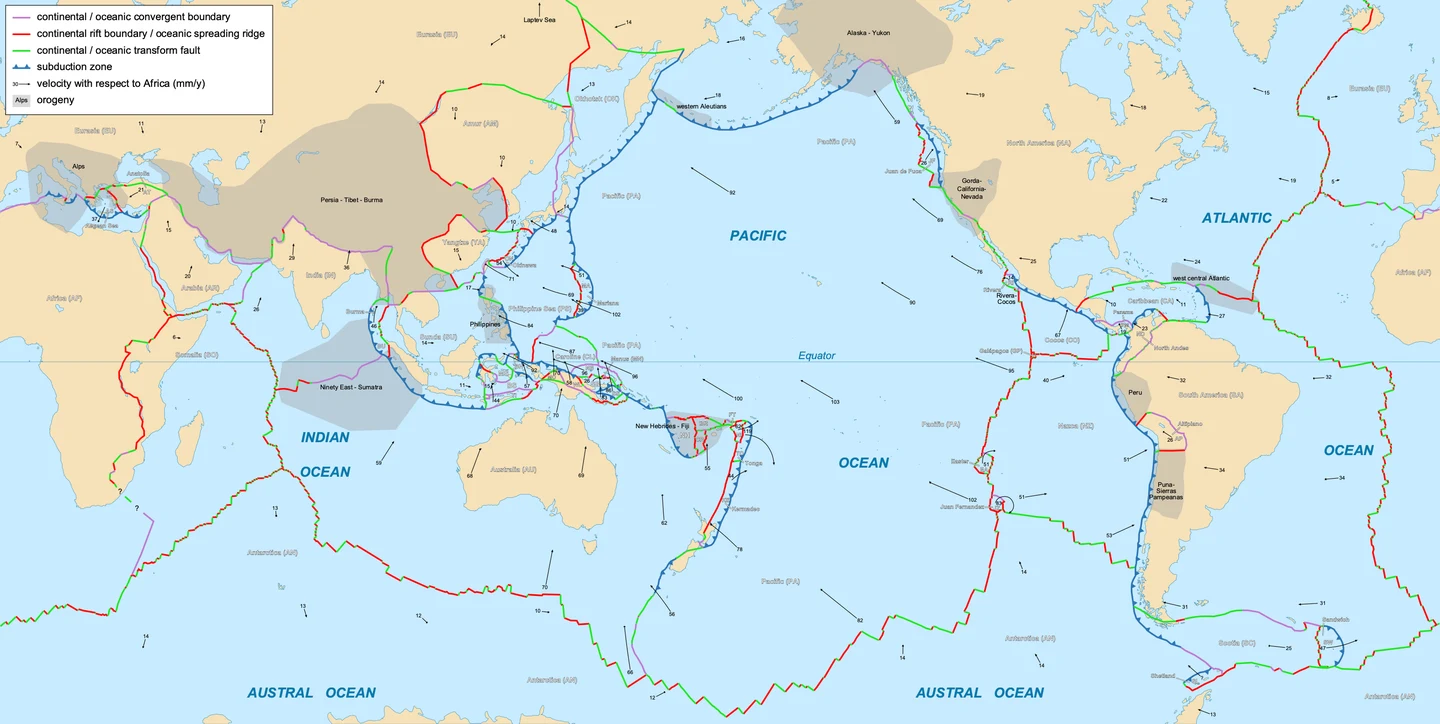
What is plate tectonics?
What is plate tectonics? Learn how Earth's moving plates build mountains, trigger earthquakes, and have shaped every continent over billions of years.
Read article → -
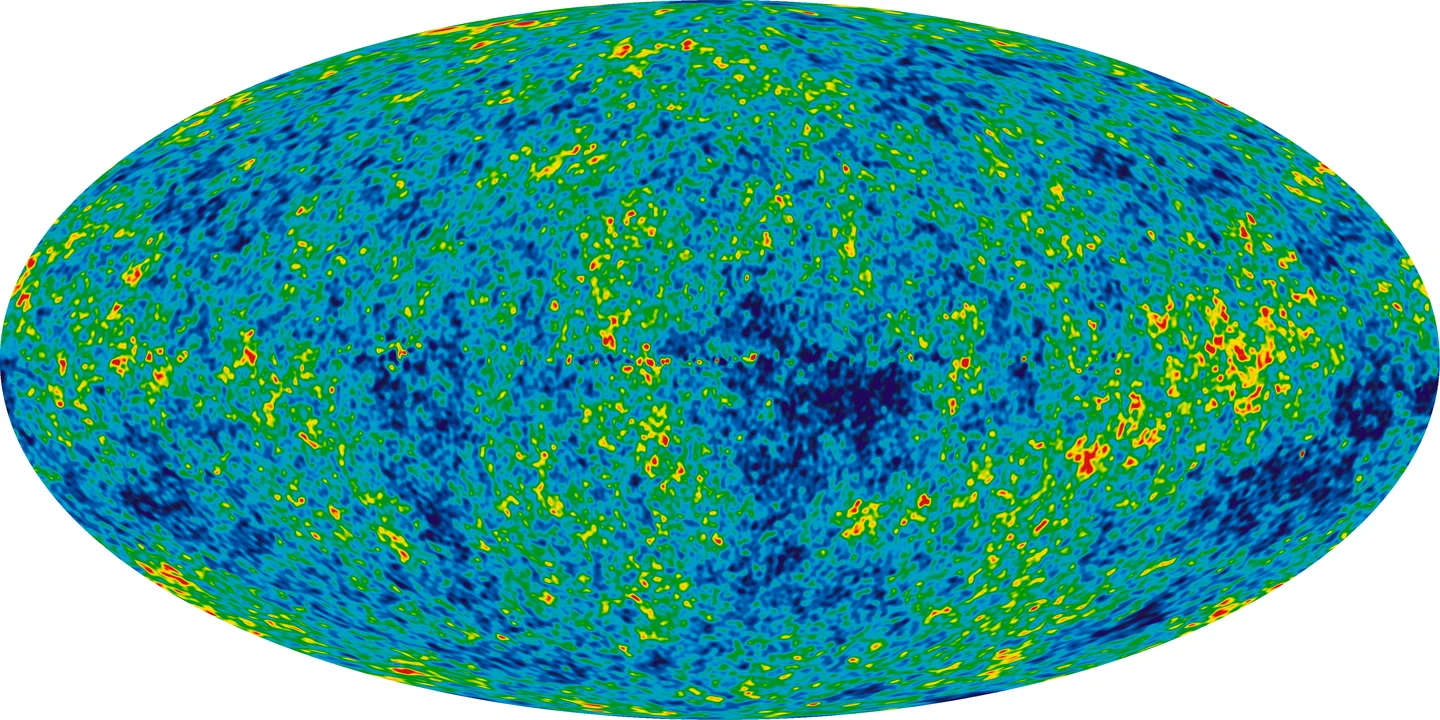
What is the Big Bang theory?
What is the Big Bang theory? Learn about the universe's origin 13.8 billion years ago, the evidence behind it, and the first moments of time.
Read article → -
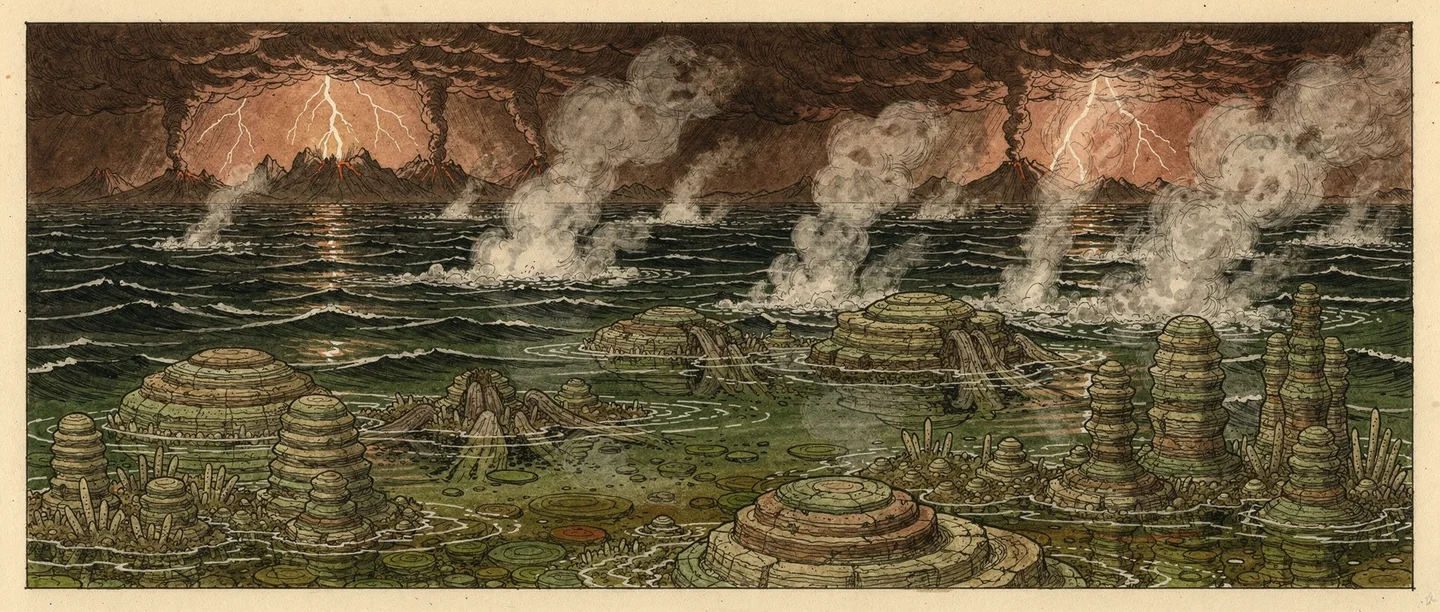
What is the origin of life?
What is the origin of life? Discover how Earth's first cells formed 4 billion years ago — from amino acids, RNA, and our universal common ancestor.
Read article → -
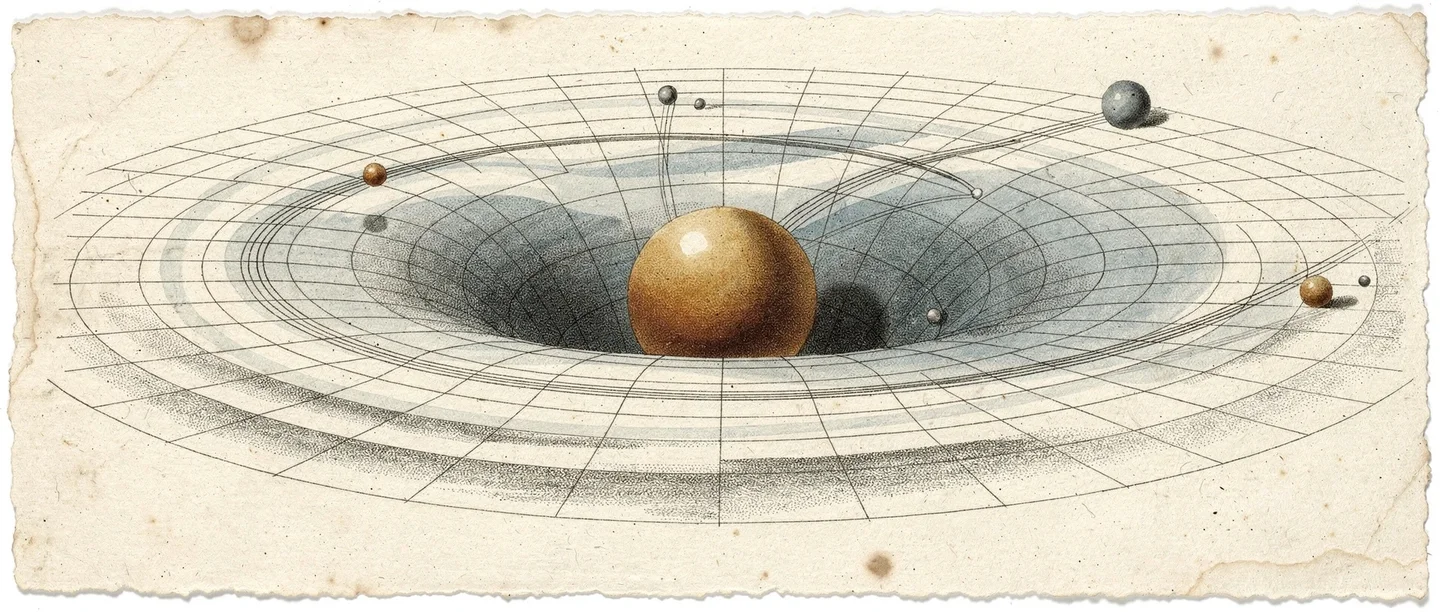
What is the theory of relativity?
What is the theory of relativity? Learn how Einstein's special and general relativity explain time, gravity, and E=mc² in plain language.
Read article → -
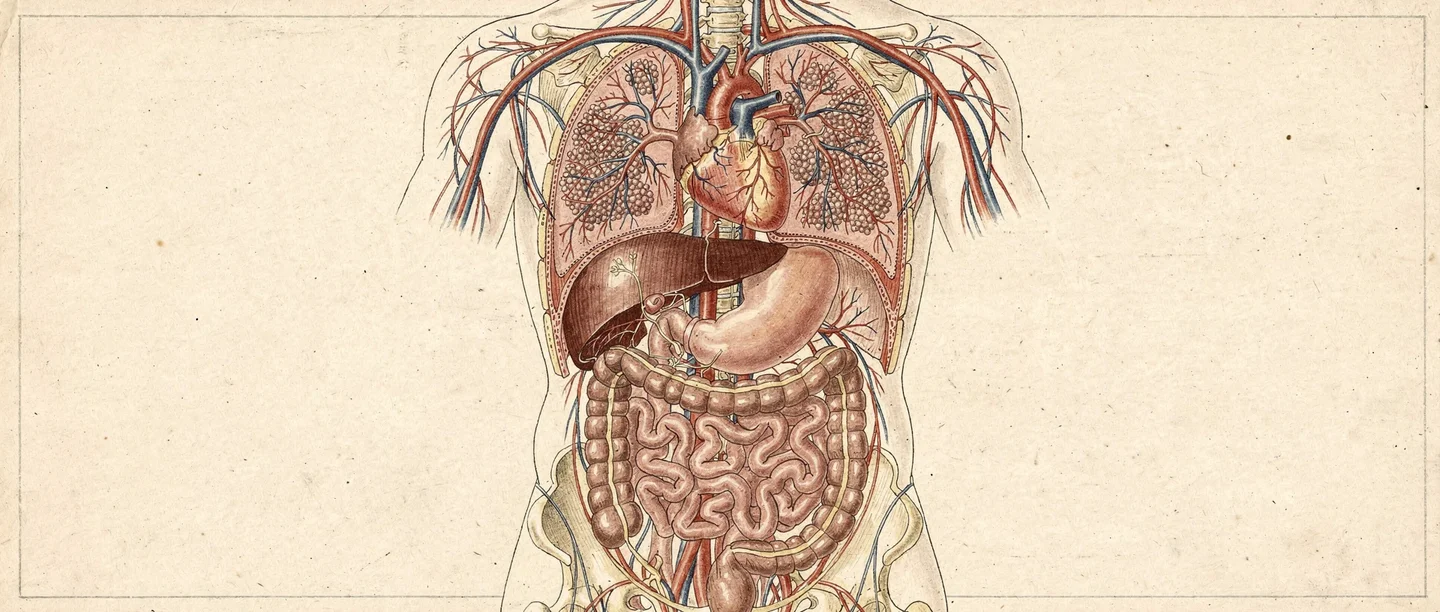 Grades 5–8
How Does the Human Body Work? A Guide to the Systems That Keep You Alive
How does the human body work? Explore the major organ systems — circulatory, respiratory, and nervous — and discover how they keep us alive.
Read article → -
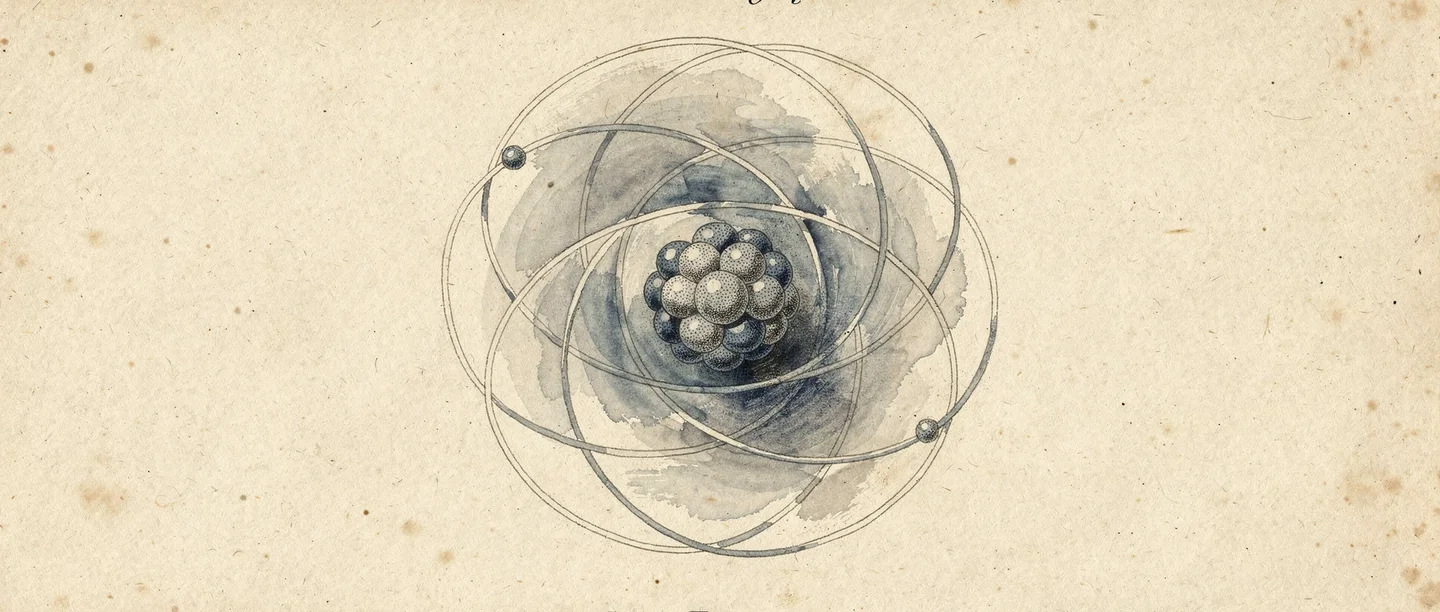 Grades 6–10
What Are Atoms? The Building Blocks of All Matter Explained
What are atoms? Discover how these tiny particles build all matter, from protons and electrons to molecules, and why atoms are central to chemistry.
Read article → -
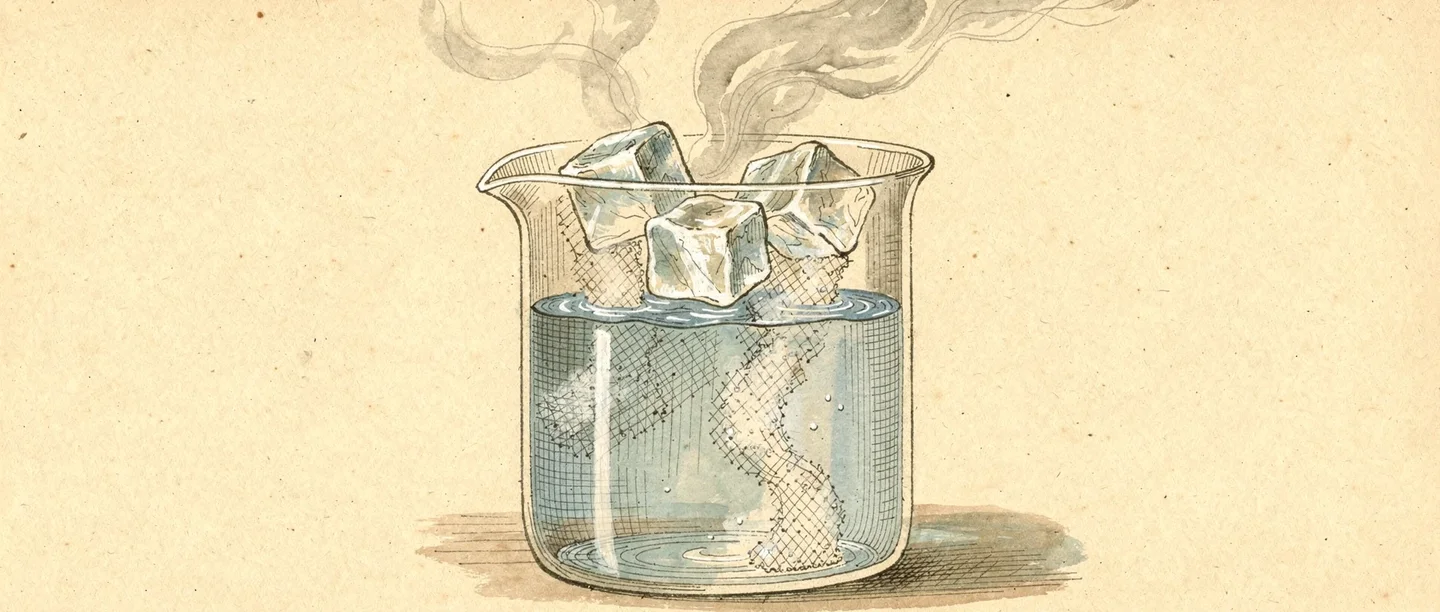 Grades 3–6
What Are the States of Matter? Solids, Liquids and Gases Explained
What are the states of matter? Discover how solids, liquids and gases differ — and how particle theory explains melting, boiling and changing state.
Read article → -
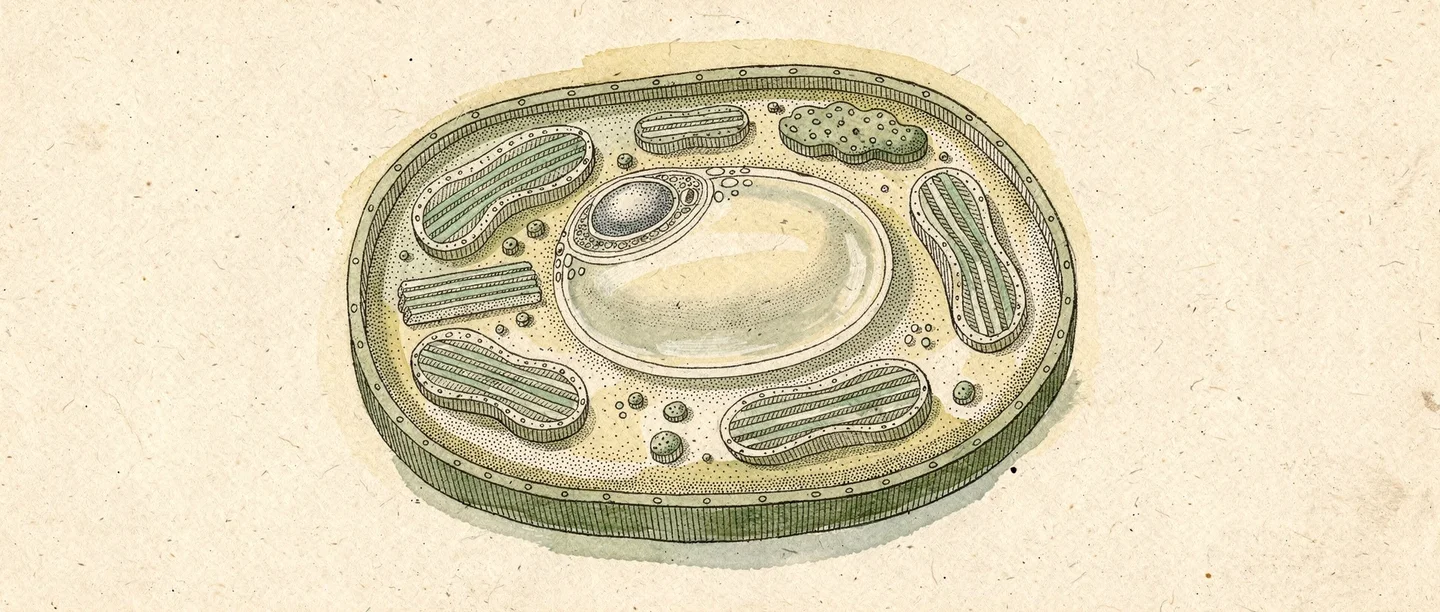 Grades 6–9
What Is a Cell? The Basic Unit of Life and How It Works
What is a cell? Discover how cells work as the building blocks of all living things — from simple bacteria to the 37 trillion cells in the human body.
Read article → -
 Grades 6–10
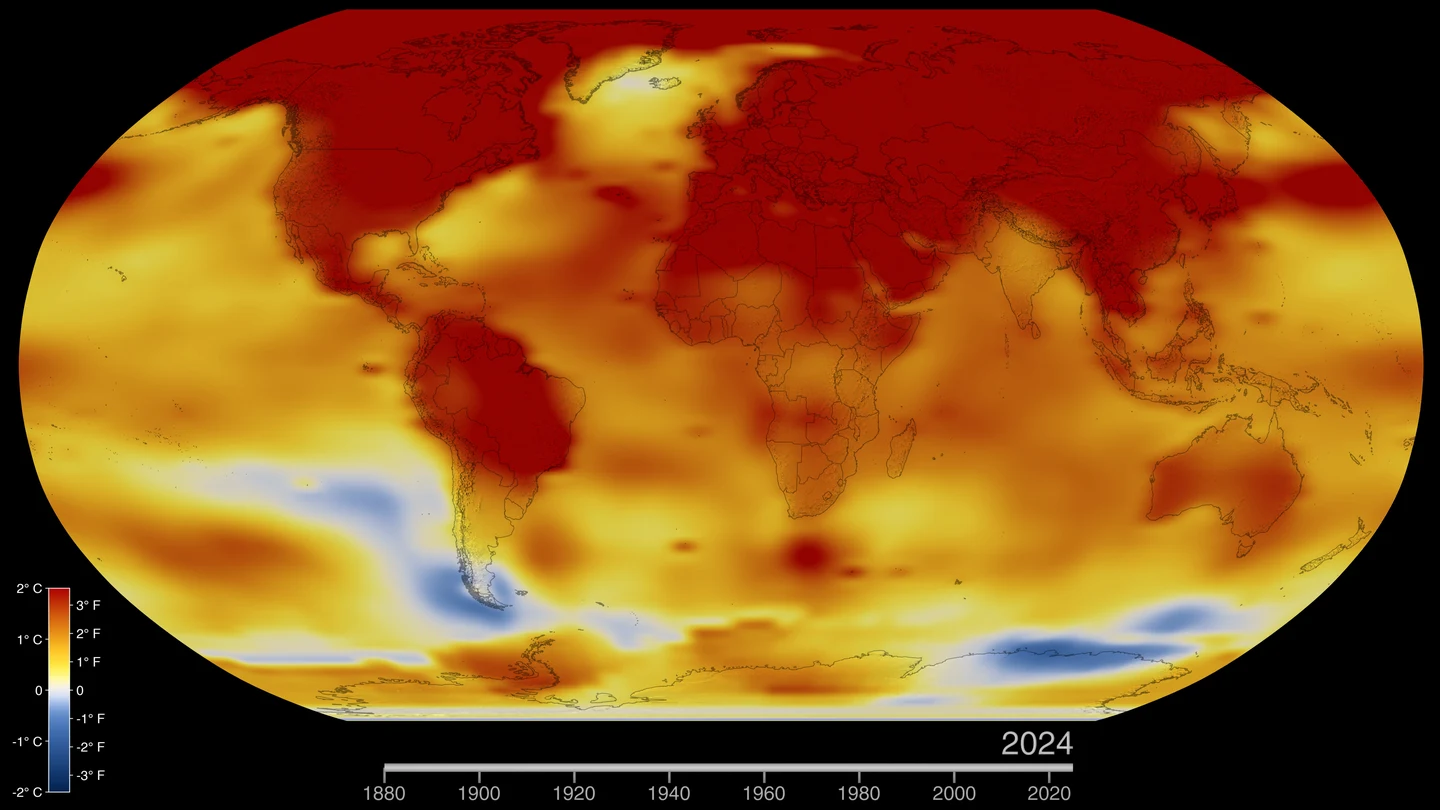
What Is Climate Change? Causes, Effects, and What It Means for the Planet
What is climate change? Discover how rising greenhouse gases warm Earth, drive extreme weather, melt ice, and reshape ecosystems worldwide.
Read article → -
 Grades 7–10
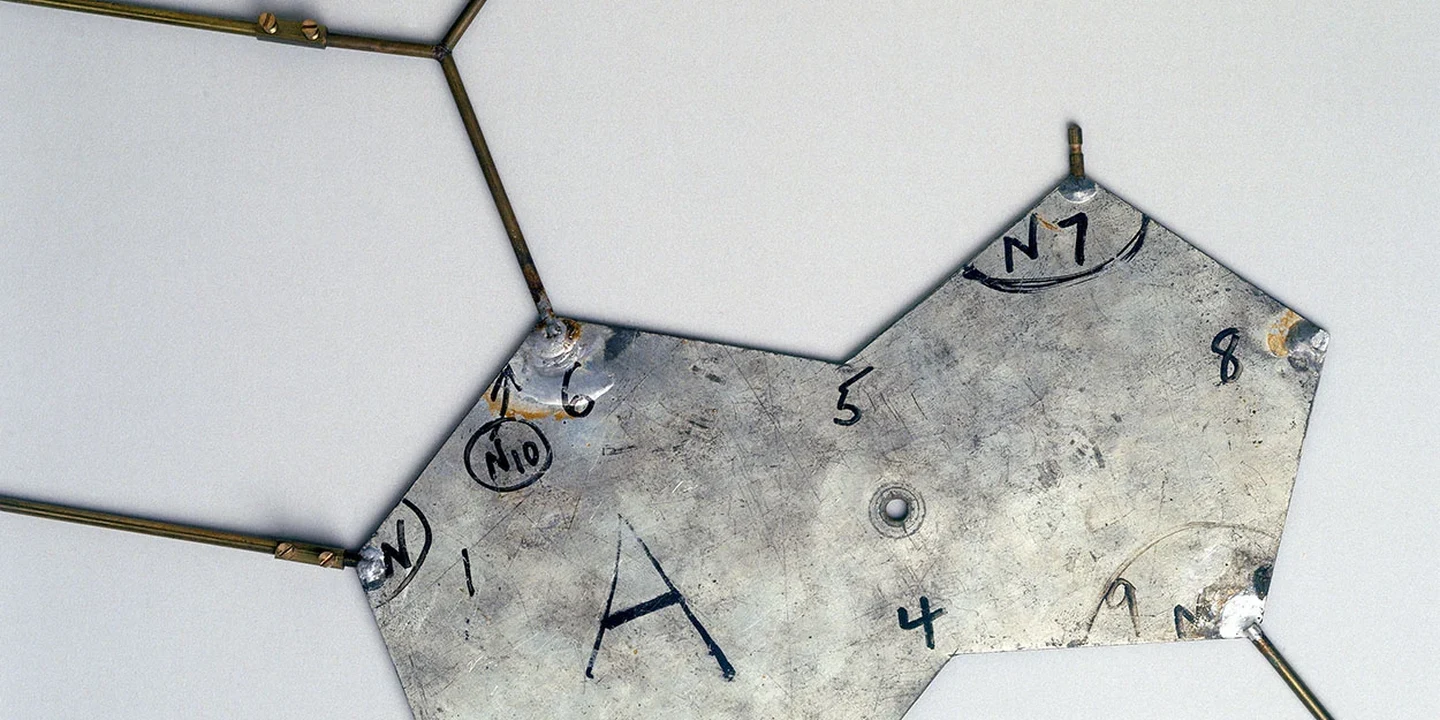
What Is DNA? How the Molecule of Life Stores and Passes On Genetic Information
What is DNA? Discover how the double helix stores genetic information, how it gets copied when cells divide, and why it is central to all life.
Read article → -
 Grades 5–8
What Is Electricity? A Guide to Charge, Current, and Circuits
What is electricity? Discover how electric charge flows through circuits to power modern life — and how voltage, current, and resistance work.
Read article → -
 Grades 7–10
What Is Evolution? Natural Selection, Evidence and Why It Matters
What is evolution? Discover how Darwin's natural selection theory explains the diversity of life — and why evolution matters for biology today.
Read article → -
 Grades 4–8
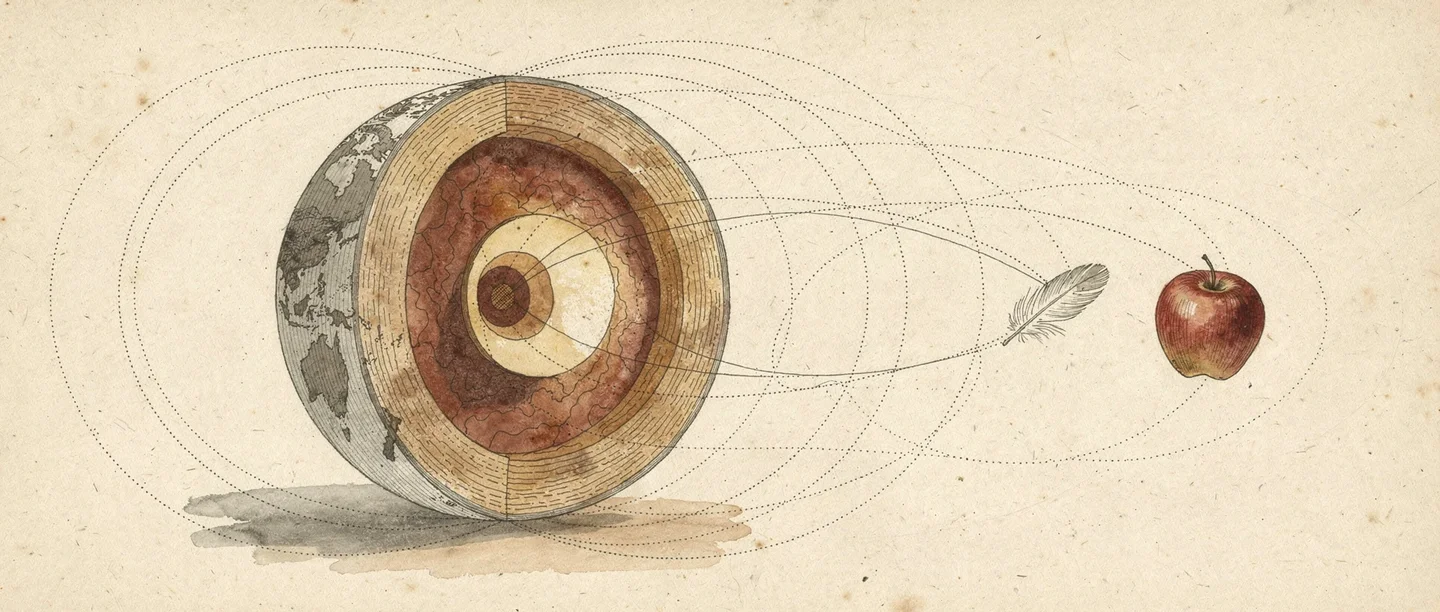
What Is Gravity? The Force That Holds the Universe Together
What is gravity? Learn how the invisible force between all objects keeps your feet on the ground, holds the Moon in orbit, and shapes the universe.
Read article → -
 Grades 6–9
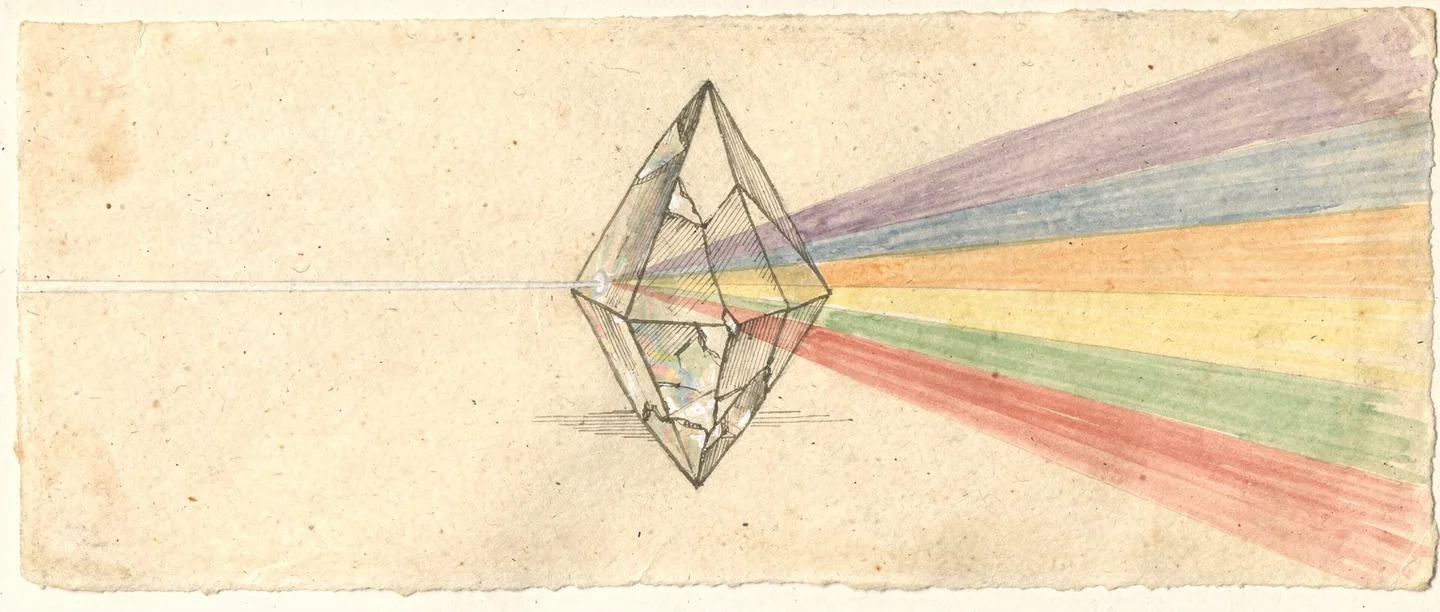
What Is Light? How Electromagnetic Waves Travel and Create Colour
What is light? Discover how electromagnetic waves carry energy, why light travels at 300,000 km/s, and how the spectrum creates every colour we see.
Read article → -
 Grades 4–8
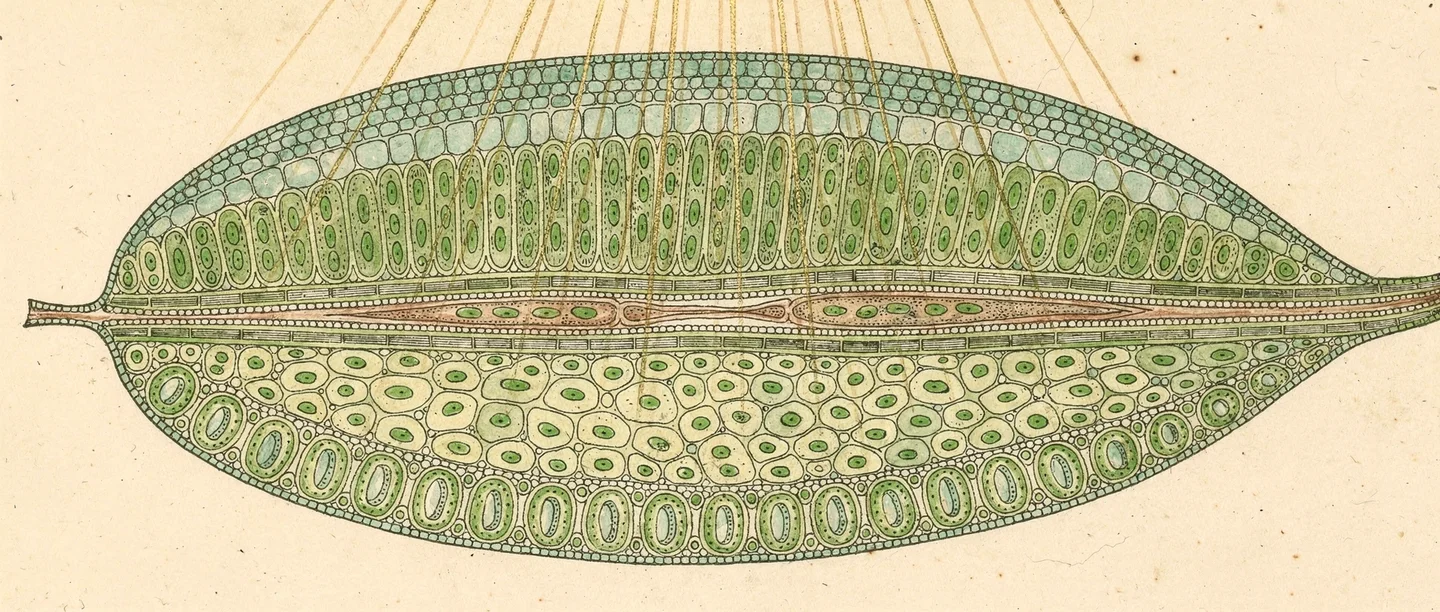
What Is Photosynthesis? A Simple Guide for Students and Parents
What is photosynthesis? Discover how plants turn sunlight, water and CO2 into food — and why this process supports almost all life on Earth.
Read article → -
 Grades 5–8
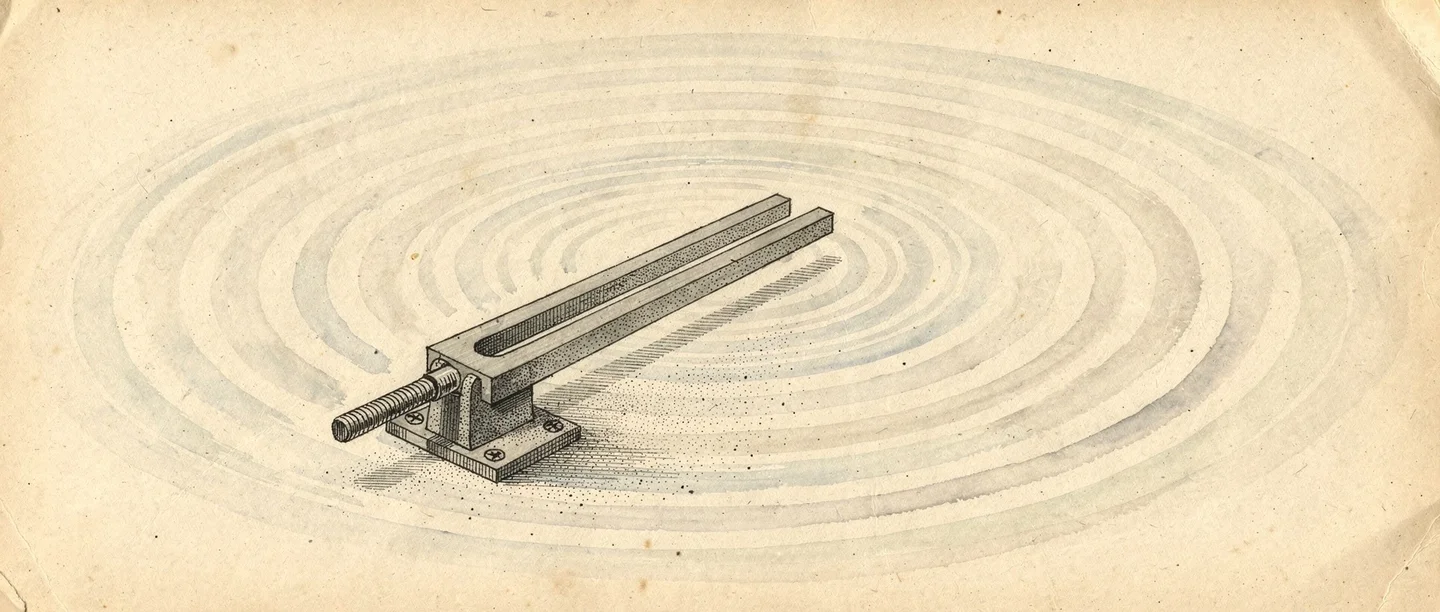
What Is Sound? How Vibrations Travel Through Air and Reach Your Ears
What is sound? Learn how vibrating objects create pressure waves, how frequency shapes pitch, and how ears turn vibrations into what we hear.
Read article → -
 Grades 7–10
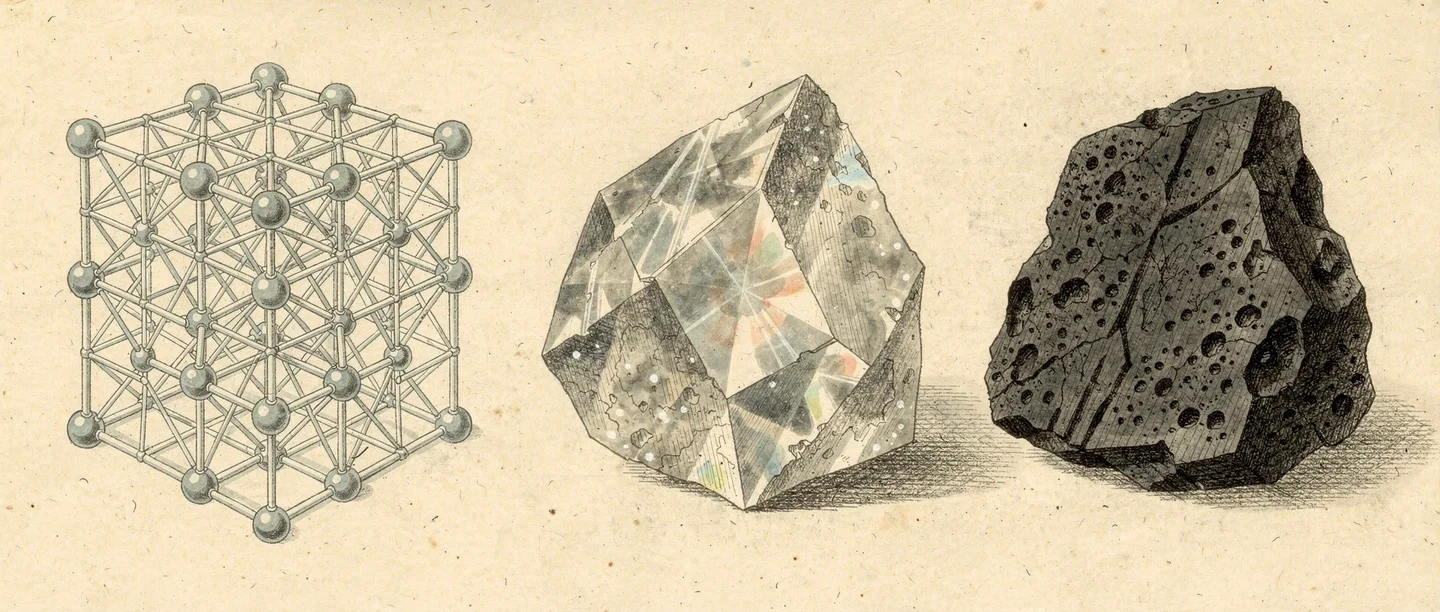
What Is the Periodic Table? A Guide to the Elements and How They Are Organised
What is the periodic table? Learn how elements are organised by atomic number, what patterns emerge, and why it is chemistry's most important tool.
Read article → -
 Grades 4–7
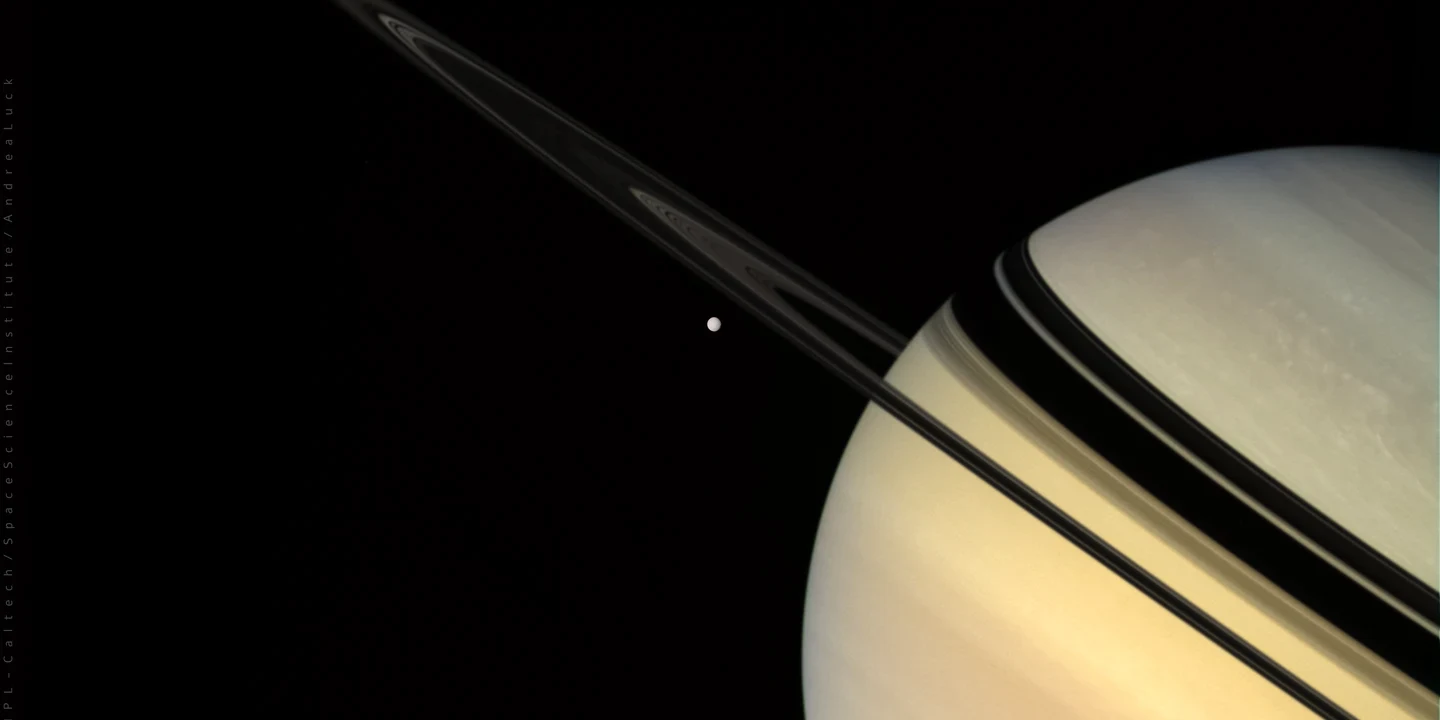
What Is the Solar System? A Guide to the Sun, Planets and Beyond
What is the solar system? Discover the Sun, eight planets, moons and more — and learn how gravity holds everything in orbit around our star.
Read article → -
 Grades 4–7
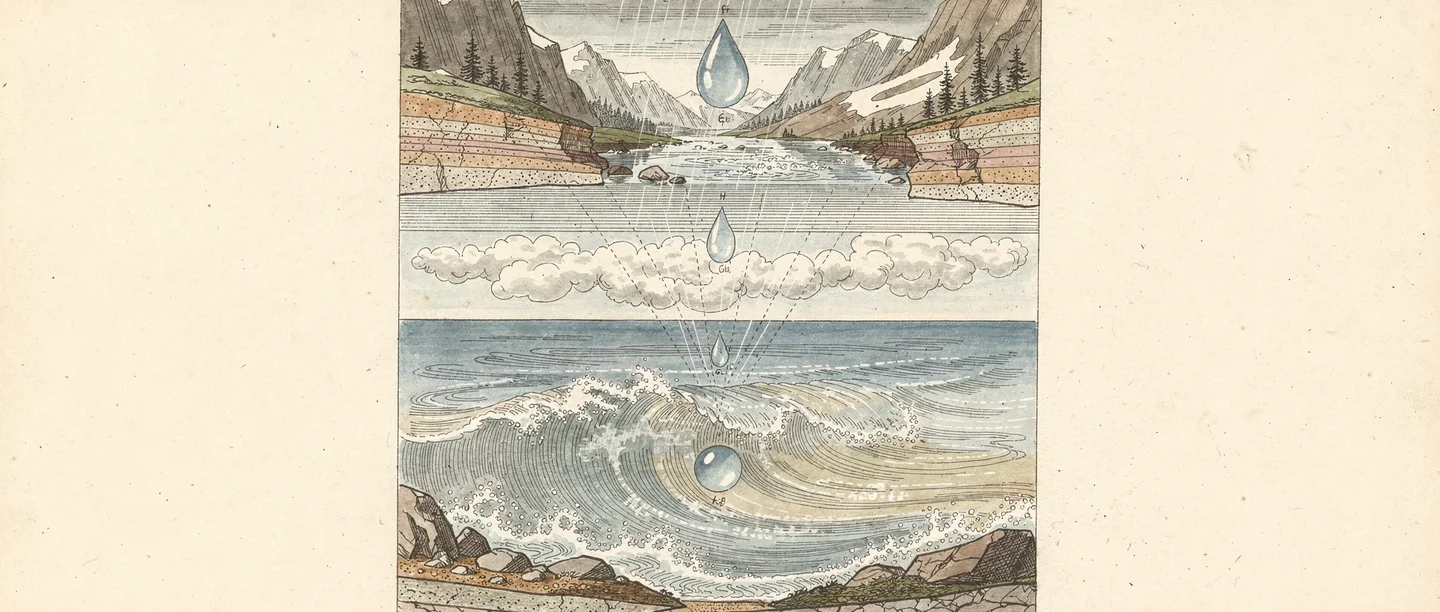
What Is the Water Cycle? Explained Simply for Students and Parents
What is the water cycle? Learn the four stages — evaporation, condensation, precipitation and collection — and why this cycle sustains life on Earth.
Read article →